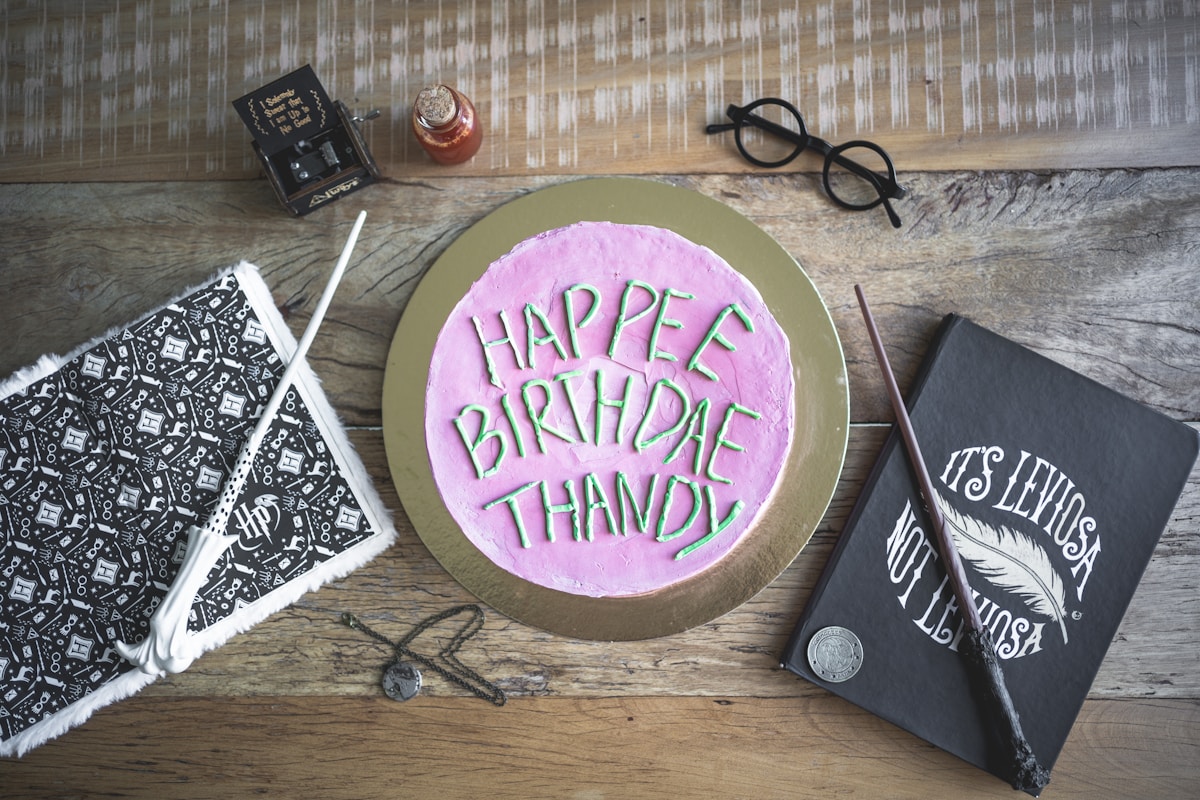
There’s a special kind of magic that happens when you’re planning a child’s birthday party. Amidst the balloons and gift wrap, the centerpiece is always the cake. And sometimes, the request isn’t for a simple chocolate or vanilla swirl, but for something wonderfully, brilliantly specific. “I want a giant chicken nugget,” a five-year-old might declare, and your first thought might be laughter, followed by a moment of panic. How do you even begin?
But what if I told you that this delightful, whimsical request is not only possible but is also one of the most fun baking projects you’ll ever tackle? The giant chicken nugget cake is a masterpiece of culinary trompe l’oeil—a visual gag that tastes like pure celebration. It looks savory, crispy, and ready for a dunk, but one slice reveals a tender, sweet vanilla cake crumb. It’s a trend born from pure, unadulterated fun, and today, we’re going to break down exactly how you can create this showstopper in your own kitchen. Let’s turn that wild idea into a delicious reality.
The Foundation The Perfect ‘Nugget’ Cake Base
Before we can sculpt, we need a canvas. Not just any cake will do for this project. You need something that is flavorful, has the right pale-golden color, and most importantly, has a sturdy, tight crumb that can stand up to carving without falling apart. For this, my go-to is a classic yellow butter cake baked in a 9x13-inch sheet pan.
The fine crumb of a butter cake holds its shape beautifully when chilled, making it the ideal medium for our edible sculpture. A box mix can work in a pinch, but a from-scratch recipe gives you superior flavor and texture. (Your guests will thank you.)
Here’s a simple, reliable recipe for the cake base:
Ingredients:
- 2 ½ cups (300g) all-purpose flour (I love King Arthur for its consistency)
- 2 ½ teaspoons baking powder
- ½ teaspoon salt
- 1 cup (227g) unsalted butter, softened to room temperature
- 1 ¾ cups (350g) granulated sugar
- 4 large eggs, room temperature
- 1 tablespoon pure vanilla extract
- 1 ¼ cups (300ml) whole milk, room temperature
Instructions:
- Preheat your oven to 350°F (175°C). Grease and flour a 9x13-inch baking pan, or line it with parchment paper.
- In a medium bowl, whisk together the flour, baking powder, and salt. Set it aside.
- In the bowl of a stand mixer fitted with the paddle attachment (like a KitchenAid), beat the softened butter and sugar on medium-high speed until light and fluffy, about 3-4 minutes.
- Add the eggs one at a time, beating well after each addition. Scrape down the sides of the bowl, then mix in the vanilla extract.
- Reduce the mixer speed to low. Add the flour mixture in three parts, alternating with the milk in two parts, beginning and ending with the flour. Mix only until just combined—over-mixing can make the cake tough.
- Pour the batter into your prepared pan and smooth the top with a spatula. Bake for 30-35 minutes, or until a wooden skewer inserted into the center comes out clean.
Let the cake cool in the pan for about 15 minutes before turning it out onto a wire rack to cool completely. For best carving results, wrap the cooled cake tightly in plastic wrap and chill it in the refrigerator for at least 4 hours, or even overnight. A cold cake is firm and produces far fewer crumbs when you cut into it. (Trust me on this one, it’s a game-changer.)
Sculpting Your Masterpiece Shaping the Nugget
This is where your inner artist gets to play! With your chilled cake ready, it’s time to create that iconic, irregular nugget shape. Don’t aim for a perfect rectangle; the charm is in the quirky, slightly bumpy outline. I recommend finding a picture of a real chicken nugget online—perhaps the famous “boot” or “bell” shape—to use as a visual guide.
Place your chilled cake on a large cutting board. Using a long, serrated knife, begin to gently carve away the edges. Think of it less like hacking and more like shaving. Make long, smooth cuts to round the corners and create gentle indentations. You can carve a slight divot here or a rounded bump there. The goal is an organic, familiar shape.
Don’t worry about perfection. Real nuggets are all unique! Once you’re happy with the overall shape, you can use your hands to gently press and compact any loose crumbs. And what about the scraps? Absolutely do not throw them away! They can be crumbled and mixed with a little frosting to make incredible cake pops or layered with fruit and whipped cream for a delicious trifle.
The Secret to the ‘Crispy’ Coating
The illusion of the chicken nugget cake hinges entirely on its “breading.” This is a two-part process: a sticky layer of tinted buttercream followed by a generous coating of textured crumbs.
First, the buttercream. You need a simple American buttercream that will act as our delicious glue. For a cake this size, you’ll need:
- 1 cup (227g) unsalted butter, softened
- 4 cups (480g) powdered sugar, sifted
- ¼ cup heavy cream or milk
- 1 teaspoon vanilla extract
- A pinch of salt
- For the color: 1 tiny drop of brown gel food coloring and 1 tiny drop of yellow gel food coloring.
Beat the butter until creamy. Gradually add the powdered sugar, alternating with the cream, until smooth. Mix in the vanilla and salt. Now, for the color. Add the tiniest specks of brown and yellow food coloring and mix thoroughly. You’re aiming for a pale, biscuity tan—the color of a lightly fried food. It’s always better to start with less color and add more if needed.
Apply a very thin layer of this buttercream all over your carved cake. This is called a “crumb coat,” and it does exactly what it sounds like: it traps all the loose crumbs. Chill the cake for 20-30 minutes until this layer is firm. Then, apply a second, slightly thicker, and even layer of buttercream over the entire surface.
Now for the star of the show: the crumbs! You have a few fantastic options:
- Vanilla Wafers: Nilla Wafers are the top choice. They have the perfect color and a fine, sandy texture when crushed.
- Graham Crackers: These provide a slightly darker, more rustic look and a lovely honey-graham flavor.
- Cornflakes: For a chunkier, extra-crispy appearance, cornflakes are an excellent choice.
Pulse your chosen ingredient in a food processor until it resembles coarse sand or fine breadcrumbs. You don’t want powder. Spread the crumbs on a baking sheet. While the final buttercream layer is still soft and sticky, carefully press the crumbs all over the cake. Cover every surface, patting them on gently but firmly to ensure they adhere. The transformation is immediate and amazing!
The Finishing Touch The Faux Ranch Illusion
A nugget isn’t complete without its dipping sauce. This final touch is a stroke of baking genius that truly sells the illusion. We’re going to create a dipping sauce that looks exactly like ranch dressing but is actually a sweet, pourable meringue.
This works by intentionally making what bakers would call a “failed” meringue. A proper meringue is whipped until it holds stiff, glossy peaks. For our “ranch,” we’re going to stop well short of that.
Faux Ranch Meringue Sauce:
- 2 large egg whites, at room temperature
- ½ cup (100g) granulated sugar
- ¼ teaspoon cream of tartar
- A splash of vanilla extract
In a very clean bowl (any trace of fat will prevent the whites from whipping), use a hand mixer or stand mixer to beat the egg whites and cream of tartar on medium speed until they become foamy. Slowly stream in the sugar while the mixer is running. Add the vanilla.
Now, here’s the trick: continue to beat only until the mixture is thick, white, and glossy, but still pourable. It should be the consistency of a thick sauce or a slightly runny yogurt. (Yes, really.) If you were making a real meringue, you’d keep going for several more minutes until you got stiff peaks. By stopping early, we get the perfect consistency to mimic ranch dressing.
Pour your faux ranch into a small dipping container and serve it right alongside the giant nugget cake. The moment your guests dip a piece of “nugget” into the “ranch” will be priceless.
Serving and Celebrating Your Creation
Presenting this cake is half the fun. Consider placing it on a platter lined with red-and-white checkered paper, just like a classic diner basket. Or, for the ultimate effect, find a large, clean cardboard box and style it to look like a fast-food container.
The reveal is a moment of pure joy. Watch as confusion turns to delight when everyone realizes what they’re looking at. When you slice into the cake, the contrast between the crumb-coated exterior and the soft, tender cake inside solidifies the incredible illusion you’ve created.
This isn’t just a cake; it’s an experience. It’s a story you’re telling with flour and sugar, a testament to the fact that the kitchen can be a place of incredible playfulness and creativity. It’s a memory in the making, proving that sometimes, the most joyful food is the kind that doesn’t take itself too seriously. So go ahead, embrace the wonderfully weird, and bake a nugget cake. You won’t regret it.