


Have you ever spent hours decorating a cake for a Halloween party only to watch guests politely take one bite and push the plate aside? It is a frustrating kitchen moment that happens way too often, especially when the cake looks like a haunted masterpiece but tastes like a cardboard coffin. The real challenge is nailing that perfect balance between show-stopping creepiness and actual deliciousness. You want the cake to be the centerpiece of the party, not just a prop. Let me walk you through five killer (pun intended) creepy cake designs that are just as incredible on the inside as they are unsettling on the outside. We will cover flavor pairings that work, specific decorating techniques, and the little kitchen hacks that make all the difference.
Why Creepy Cakes Often Fail on Flavor
The biggest mistake I see in themed cakes is prioritizing decoration over taste. Dark black icing often comes from cheap gel coloring that leaves a bitter, chemical aftertaste. Heavy fondant can taste like sweet play-doh and ruin the texture. And those buttercream spiders? Sometimes they are made with margarine and powdered sugar that tastes greasy and flat. The key is to start with a rock-solid cake base that holds its own against any visual distractions. Think red velvet with cream cheese frosting, dark chocolate with espresso ganache, or even a salted caramel sponge. These flavors are bold enough to stand up to the dramatic visuals. If you plan to use a lot of black or deep red icing, make your cake layers extra moist and rich. A dry cake will highlight the cloying sweetness of the icing. (Use buttermilk or sour cream in the batter for tenderness.)
Design One: The Blood Splatter Red Velvet
This design is a classic for good reason. Red velvet cake naturally gives you that deep crimson crumb that screams gore, but without artificial flavors. Use a cream cheese frosting that is slightly tangy to cut through the sweetness. For the blood splatter effect, you need a raspberry reduction. Simmer one cup of fresh or frozen raspberries with two tablespoons of sugar and a squeeze of lemon juice until thick, about ten minutes. Strain out the seeds and let it cool. This natural “blood” has a fantastic tartness that complements the cake. To apply, dip a pastry brush in the reduction and flick it gently onto the white frosted cake. Practice on a paper towel first. You can also create drips by letting the reduction run down the sides. (Your future self will thank you for using real fruit instead of red gel.)
Design Two: Spiderweb Stencil with Dark Chocolate Ganache
A spiderweb can look intricate, but a stencil makes it foolproof. Bake a chocolate cake and fill it with a dark chocolate ganache (one part heavy cream to two parts dark chocolate, melted together). This adds a silky richness. Frost the entire cake with a smooth layer of white or pale gray buttercream. Chill until firm. Then, place a spiderweb stencil (available at baking supply stores or cut from parchment paper) gently on top. Sift a mixture of cocoa powder and a touch of black cocoa powder over the stencil. Carefully lift to reveal a perfect web. For a 3D effect, pipe a small spider on top using black buttercream. Want it to look even more sinister? Add a few drops of black food coloring to your buttercream to create a shadowy web instead of stark white. The contrast between the dark web and the pale base is spooky and classy.
Design Three: The Mummy Cake with Torn Fondant
Fondant can be the enemy of flavor, but when used sparingly and with the right cake, it works. Make a vanilla or lemon cake with a cream cheese filling. For the mummy look, roll out a thin layer of white fondant (or use marshmallow fondant for better taste). Cut it into uneven strips about one inch wide. Wrap the strips around a fully frosted cake, leaving gaps to show the frosting underneath. Press a few candy eyes into the gaps. The key here is to use a flavor-forward frosting underneath—try a lemon curd buttercream that cuts through the sweetness of the fondant. To make the fondant more palatable, knead in a tiny pinch of salt and a drop of vanilla extract. Also, keep the fondant layer as thin as possible, no more than 1/8 inch. (Trust me on this one: thin fondant is edible; thick fondant is tragic.)
Design Four: The Moldy Grave Dirt Cake
This is not your kids’ dirt cake with crushed Oreos. For an adult twist, use a dark chocolate stout cake with a whiskey-infused caramel filling. The bitterness of the stout and the warmth of the whiskey create complexity. Frost the cake with a chocolate buttercream. Then, for the “dirt,” use a crumb coat of crushed chocolate wafer cookies and a bit of black cocoa powder. To simulate mold, dust a small section with a blend of matcha powder and a little cornstarch—the green looks eerily authentic. Add some gummy worms made from sour gummy candy (you can buy molds and make your own with gelatin and fruit puree for a better texture). The sour candy contrasts beautifully with the rich, boozy cake. Serve at room temperature for the best flavor release.
Design Five: The Gothic Lace Skull with Edible Glitter
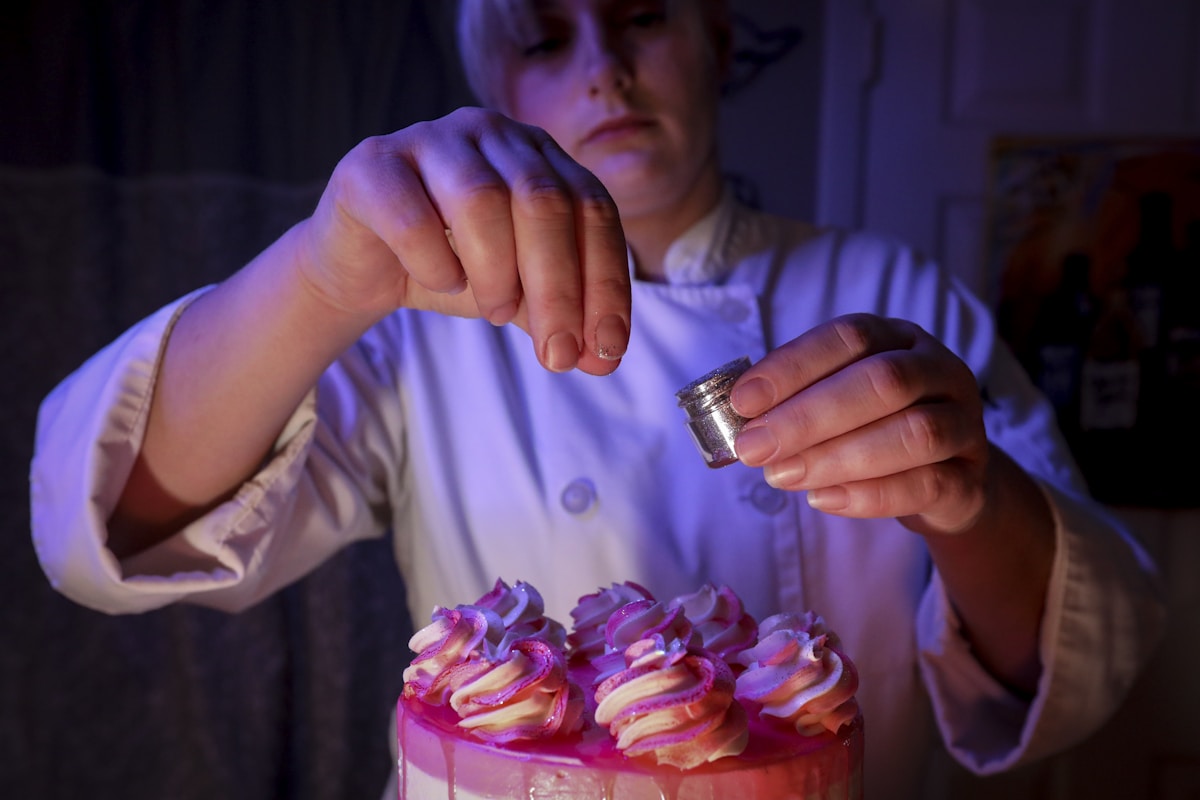
This is for a more refined creepy vibe. Bake a marble cake (chocolate and vanilla swirls) and frost with a silky Swiss meringue buttercream. This buttercream is less sweet and has a luxurious mouthfeel. Color the buttercream a deep plum or charcoal using purple and black gel colors (use a tiny bit at a time to avoid bitterness). Pipe a skull design using a round tip, or use a skull silicone mold to create a fondant skull to place on top. The real magic comes from edible glitter—use a silver or dark purple luster dust mixed with a drop of vodka to paint the skull. The shimmer against the dark cake gives a hauntingly beautiful effect. Flavor-wise, the marble cake with the silky buttercream keeps the focus on taste. Add a pinch of cinnamon or cardamom to the chocolate batter for a subtle warm spice that feels autumnal.
Practical Tips for a Successful Creepy Cake
Start with a chilled cake. A cold cake is easier to frost and less likely to crumb. Use a turntable if you have one; it makes piping and smoothing so much easier. For black icing without the bitter taste, try black cocoa powder instead of food coloring. It gives a deep, dark color and a mild Oreo-like flavor. Mix one-third black cocoa with two-thirds regular cocoa for the best result. When using food coloring, choose gel-based colors from brands like AmeriColor or Wilton. They concentrate better and affect the consistency less. Always taste your frosting before applying. If it tastes like chemicals, start over. No amount of decorating can fix bad flavor. Store your finished cake in the fridge for up to two days, but let it sit at room temperature for an hour before serving for optimal texture and flavor. (Yes, really—a cold cake muffles the taste.)
Why You Should Embrace the Creepy Cake
Creepy cakes are not just for Halloween. They are perfect for horror movie marathons, gothic-themed parties, or even a “Freaky Friday” birthday. The best part is watching people’s faces go from wary to delighted when they take that first forkful and realize it tastes amazing. That is the magic of a well-executed themed cake. So go ahead, lean into the spooky side. Experiment with flavors, practice your piping, and remember that the foundation of any great cake—whether haunted or heavenly—is always, always the taste. Your guests will remember the blood splatter fondant, but they will ask for the recipe because of that incredible cream cheese frosting. Happy baking, and may your cakes be deliciously terrifying.


