


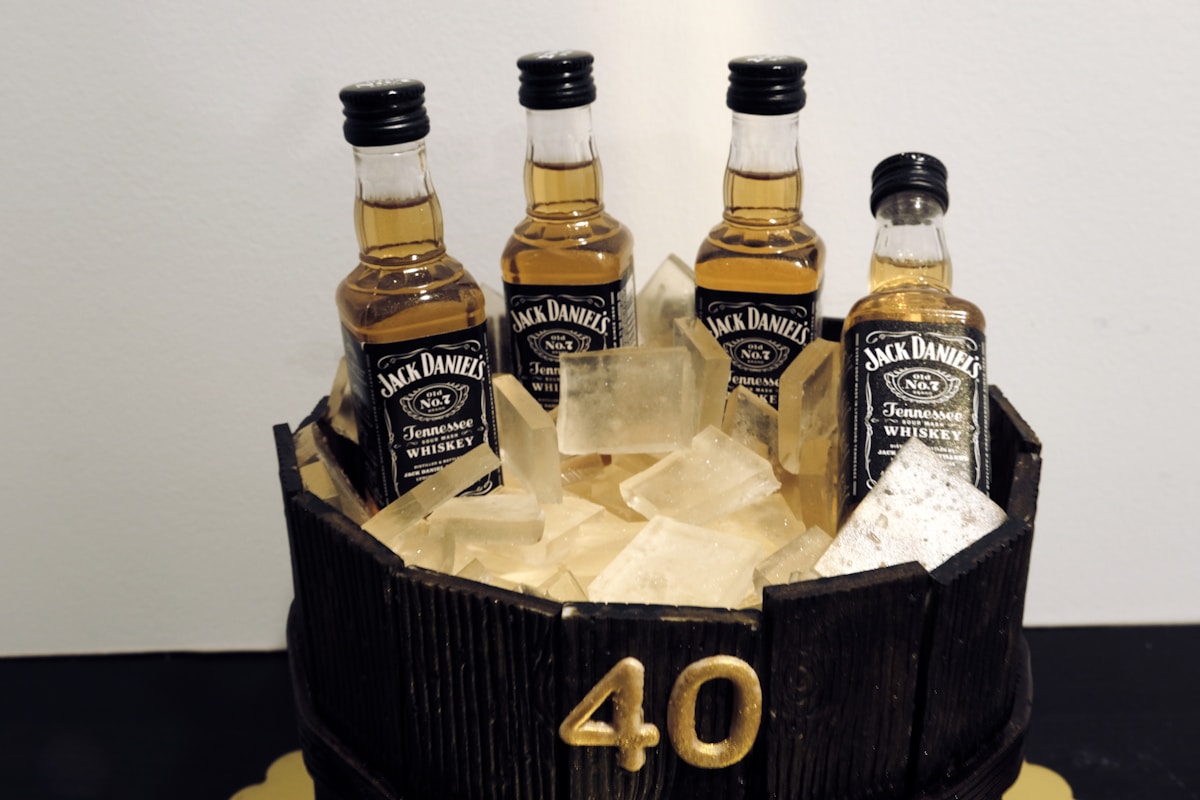
Have you ever scrolled through your social media feed and done a double-take at a video of someone slicing into a shoe, a houseplant, or a roll of toilet paper, only to reveal it’s actually cake? This delightful world of illusion baking, or trompe-l’œil (French for “deceive the eye”), turns the kitchen into a stage for playful magic. It reminds us that food isn’t just about sustenance; it’s about joy, surprise, and creating shared moments of wonder.
While crafting a hyper-realistic designer handbag from fondant might feel a bit out of reach, there’s a perfect, whimsical project that captures this same spirit of fun: the giant chicken nugget cake. It’s quirky, unexpected, and an absolute showstopper for a child’s birthday party or a fun-loving adult’s celebration. The real secret isn’t in some impossible baking technique, but in a few clever tricks with texture and color. So, let’s pull back the curtain and explore how to create this deliciously deceptive masterpiece right in your own kitchen.
### Building Your Nugget The Foundation
Every great sculpture needs a solid base. For a cake that requires carving, you need a crumb that’s delicious but also structurally sound. A light, airy chiffon cake would simply fall apart. Your best friend here is a sturdy, flavorful cake like a classic vanilla pound cake or a firm yellow butter cake. These cakes have a tighter crumb, which means they hold their shape beautifully when carved and won’t crumble into a mess.
While your favorite from-scratch recipe is wonderful, don’t feel ashamed to reach for a high-quality box mix, like one from Duncan Hines or Betty Crocker. (Your secret is safe with me.) If you go the box mix route, try a popular “doctoring” hack: substitute melted butter for the oil, milk for the water, and add one extra egg. This will give you a richer flavor and a denser texture that’s perfect for sculpting.
For a single giant nugget, a 9x13-inch (23x33 cm) rectangular pan is ideal. To begin:
- Preheat your oven to 350°F (175°C).
- Grease and flour your pan thoroughly, or line it with parchment paper, leaving an overhang on the sides to easily lift the cake out later.
- Prepare your cake batter and pour it evenly into the pan.
- Bake for 30-35 minutes, or until a wooden skewer inserted into the center comes out clean.
- Let the cake cool in the pan for about 15 minutes before turning it out onto a wire rack to cool completely. And when I say completely, I mean it. A warm cake is a fragile cake, and we’re about to become sculptors.
### The Sculptor’s Art Shaping Your Nugget
This is where the real fun begins. But first, here’s a professional tip that will make your life infinitely easier: chill your cake. Once the cake is at room temperature, wrap it tightly in plastic wrap and place it in the freezer for at least an hour, or in the refrigerator for 2-3 hours. A firm, cold cake is incredibly easy to carve, producing clean lines and far less crumbling.
Once your cake is chilled, unwrap it and place it on a large cutting board. Now, find your inspiration! Pull up a picture of a classic chicken nugget—think of those iconic shapes: the “bell,” the “boot,” the “ball,” and the “bone.” You’re aiming for that perfectly imperfect, organic, lumpy shape.
Using a long, serrated knife (a bread knife works wonders), begin by trimming the straight edges off your rectangular cake to create a more rounded, irregular outline. Think big, sweeping cuts first. Don’t worry about perfection; real nuggets aren’t perfect. Once you have the general shape, you can switch to a small paring knife to carve subtle dips and rounded lumps into the surface.
And now for the most important instruction of all: DO NOT THROW AWAY THE SCRAPS. Gather every last crumb and off-cut into a bowl. These aren’t waste; they are the secret ingredient for creating that unbelievably realistic crispy coating. Set them aside—your future self will thank you.
### The Secret to That Crispy Breading
So, how do we mimic the craggy, golden-brown texture of a perfectly fried chicken nugget? Not with actual breadcrumbs, but with our reserved cake scraps and a little pantry magic. The goal is to create a textured crumb that will adhere to the frosting and look just like the real thing.
Here’s the method:
- Create the Crumb Mixture: Take your bowl of cake scraps. For extra texture and flavor, add about a cup of vanilla wafer cookies (Nilla Wafers are perfect for this) or even some crushed cornflakes or graham crackers. Place everything into a food processor.
- Pulse to Perfection: Pulse the mixture until it breaks down into a coarse, sandy texture. You want a variety of sizes, from fine dust to small pebbles, just like the coating on a real nugget. Avoid processing it into a uniform powder.
- Apply the Frosting: Your “glue” for the breading is buttercream. A simple American buttercream (butter, powdered sugar, milk, and vanilla) is perfect. First, apply a very thin layer of buttercream all over your carved cake. This is called a “crumb coat,” and its job is to trap any loose crumbs. Place the cake back in the fridge for 20-30 minutes to let this layer set.
- The Final Coat: Once the crumb coat is firm, apply a second, more generous layer of buttercream, making sure to cover the entire surface smoothly.
- Press on the Breading: While the second layer of buttercream is still wet and tacky, it’s time to apply your crumb mixture. Working over a baking sheet to catch the excess, take handfuls of the crumb mixture and gently press it all over the cake. Cover the top and all the sides, making sure to get it into all the nooks and crannies you carved. Don’t be shy—press firmly to ensure it adheres well.
Once the cake is fully coated, you can gently shake off any excess. It should already look remarkably like a giant, un-fried nugget.
### Bringing It to Life with Color and Sauce
The final step is achieving that beautiful, non-uniform, golden-brown fried color. Professional bakers often use an airbrush for this, but you can get fantastic results at home with a few simple tools.
One of the easiest methods is using an edible color spray, like the Color Mist products from Wilton. Use a golden yellow or light brown color and spray in light, sweeping motions from about 6-8 inches away. The key is to build the color gradually and leave some areas lighter than others to mimic the look of hot oil. You can even use a touch of a darker brown spray to add depth in the crevices.
No spray? No problem. Mix a few drops of brown and yellow gel food coloring with a teaspoon of a clear spirit like vodka or clear vanilla extract. (The alcohol will evaporate completely, leaving only the pigment behind.) Dip a clean, food-safe paintbrush into the mixture, and using your thumb, flick the bristles to spatter the color onto the cake. This technique creates a wonderfully realistic, speckled effect.
Of course, no chicken nugget is complete without a dipping sauce. To complete the illusion, whip up a faux “ranch” or “sweet and sour” sauce. For a simple ranch, you can make a small batch of an American meringue (egg whites and powdered sugar) but whip it only to soft, slightly runny peaks so it’s perfectly dippable. Serve it in a classic fast-food-style ramekin right next to the cake slice. For a “sweet and sour” or “ketchup” effect, a slightly thickened strawberry or raspberry puree works beautifully.
The moment of truth arrives when you place the cake on the table. Watch as your guests lean in, confused, then break into smiles as they realize what they’re seeing. It’s a testament to the fact that the kitchen is a place of boundless creativity—a place where we can tell stories, create illusions, and add a little extra magic to life, one delicious, deceptive bite at a time.


