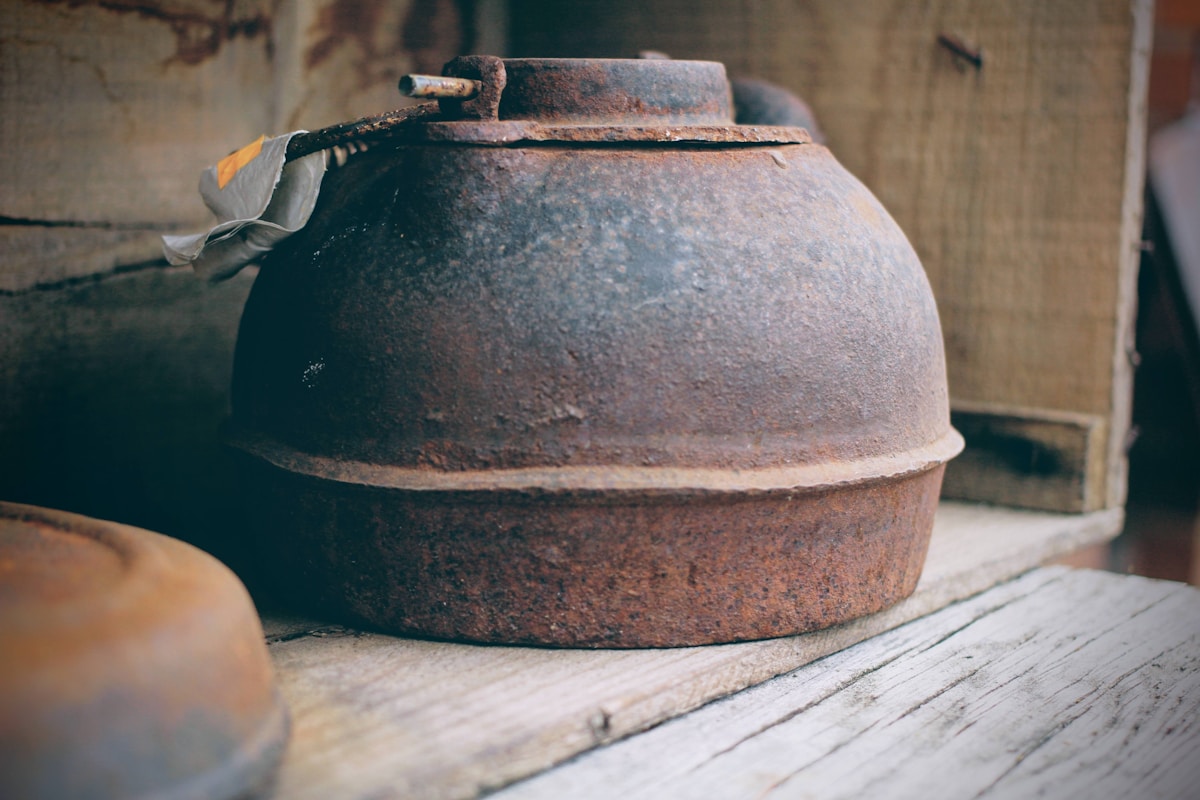
You’re driving home from a lazy Saturday morning and spot a driveway littered with folding tables. You slow down, and there it is: a pile of black, crusty cast iron pans sitting under a sign that reads "Everything $5." Your heart races. Could this be the garage sale score of the century?
It happens more often than you think. Just ask the Reddit user who recently snagged a collection of vintage cast iron for a grand total of $40. The haul included an older 12-inch Lodge with the famous "3-notch" design and several Wagner pieces, even an aebleskiver pan. That’s the kind of find that makes seasoned collectors weep with envy. But how do you know if the blackened skillet you’re eyeing is a diamond in the rough or just a rusty paperweight?
Spotting the Good Stuff: Brand Markings and Handle Shapes
The first thing to look for is any visible marking on the bottom of the pan. Vintage Lodge pans often have a raised "Lodge" logo along with a pattern number and sometimes a "3-notch" heat ring around the outer edge - those notches help with gas stove combustion. Wagner pans, on the other hand, usually feature a block or script "Wagner" or "Wagner Ware" logo with a "Sidney, O." (Sidney, Ohio) stamp. Pay attention to the handle, too. Older handles tend to be smoother with a more ergonomic curve, whereas modern Lodge handles are rougher and squarer.
Another key identifier is the surface texture. Vintage pans were ground smooth after casting, giving them a glass-like cooking surface that modern pans lack unless you sand them yourself. If you flip the pan over and see concentric machining marks - those tiny circular lines - you’re likely holding a pre-1960s piece. That smooth surface is why people hunt these pans down. It’s also why you should always use low to medium heat with vintage cast iron; the smooth surface heats more evenly but can warp under high heat. (Trust me on this one.)
Red Flags: Cracks, Rust, and Warping
Before you hand over your cash, do a thorough inspection. Cracks are a dealbreaker. A crack will only get worse with heat and can eventually split the pan - useless. Rust is more forgiving. A light surface rust can be scrubbed away with steel wool and vinegar. Deep pitting from rust, however, means the pan has lost structural integrity. Warping is common on old pans, especially thin-walled ones.
To check for warping, place the pan upside down on a flat countertop and see if it rocks. A slight wobble means uneven heating and poor contact with your stove burner. You can sometimes fix a minor warp by tapping it with a hammer on a flat surface, but it’s risky. Also, look at the cooking surface carefully. Do you see any "spiders" - those small radial cracks around the center? That’s a sign of thermal shock from heating an empty pan too fast. Avoid those.
Restoring Your Garage Sale Finds: From Crusty to Non-Stick
So you’ve brought home a $10 skillet that’s covered in decades of carbonized oil. Now what? The most common method is the oven cleaner bag trick. Spray the pan with a lye-based oven cleaner like Easy-Off (yellow cap), seal it in a plastic garbage bag, and leave it outside for 24 to 48 hours. The lye dissolves the crud without damaging the iron. Wear gloves and do this in a well-ventilated area (your future self will thank you).
For severely rusted pans, an electrolysis tank is the gold standard. It sounds intimidating, but you can build one with a battery charger, a plastic tub, and some washing soda. The electrical current literally pulls rust off the iron. Many cast iron collectors swear by this method because it’s gentle and doesn’t remove the patina. But if you’re just starting out, the Easy-Off method works well enough for most garage sale finds.
Once the pan is down to bare gray iron, you need to season it. Wash with dish soap (contrary to old myths, vintage seasoning does need soap to remove the lye residue), then dry immediately and apply a thin layer of oil - flaxseed oil gives a tough, glossy finish, but Crisco or vegetable oil work great too. Wipe off as much oil as you can (really, wipe it like you made a mistake), then bake it upside down at 450°F (232°C) for one hour. Repeat this process three or four times, and you’ll have a non-stick surface that will last for generations.
The Real Value: What Are Those Pans Worth?
A restored 12-inch 3-notch Lodge can easily fetch $50 to $80 online. Wagner pans from the 1930s to 1950s, especially the popular #8 and #10 sizes, often sell for $60 to $100. Specialty pieces like aebleskiver pans (those dimpled Danish pancake pans) can go for $40 to $60 restored. So that $40 collection you found? It could be worth $200 or more after a little elbow grease.
But remember: value depends on condition, rarity, and collector demand. Common Wagner gems like the smooth-bottom #8 skillet are plentiful, so don’t expect to retire early. But the cooking performance? That’s priceless. The even heat distribution of a vintage pan means perfectly seared steaks without hot spots. The seasoned surface becomes naturally non-stick over time. And the weight - it feels substantial but not clumsy.
Buying Tips for Garage Sale Success
Here’s what I’ve learned from years of hunting:
- Bring a magnet. Cast iron is magnetic. If the magnet doesn’t stick, it’s not cast iron (probably aluminum or steel).
- Check the bottom for maker marks. Even unmarked pans can be valuable - many early 20th-century manufacturers didn’t stamp their products. Look for heat rings, notch patterns, or catalog numbers.
- Don’t be afraid of crud. Heavy carbon buildup is actually a good sign - it means the pan was used, and the iron underneath is likely intact.
- Haggle gently. Most garage sale sellers just want to clear space. Offer $10 for that $15 pan and see what happens.
- Ask if they have more. Sometimes the best pieces are still in the kitchen or garage. “Is this all you have?” can lead to a hidden trove.
Final Thoughts: Should You Grab That $40 Collection?
Absolutely, yes. Cast iron is the most durable cookware you’ll ever own. A $40 collection of vintage Lodge and Wagner pans, even if they need restoration, is a steal. You’ll get a lifetime of cooking performance that rivals modern $200 skillets. Just take the time to check for cracks, do a proper restoration, and season it well. The first time you fry an egg in that smooth pan and it slides around like butter, you’ll understand why the cast iron community gets so excited about garage sale finds. (Yes, really.)
Happy hunting - and remember, the right tool makes cooking easier. The most expensive tool isn’t always the right one.