Introduction: The Mother’s Day Morning That Didn’t Happen
You asked. You hinted. You even left that beautiful handwritten list on the counter. And yet, Mother’ Day morning arrived with the faint rustle of blankets and the unmistakable sound of a video game starting up. Your teens, bless their wonderful hearts, had completely dropped the ball on cooking breakfast for Mom. If this scene feels painfully familiar, you’re not alone. A recent Reddit thread in r/daddit captured this exact struggle: a dad hoping his older teenagers would take the initiative to organize something for their mother, only to be met with shrugs and forgotten plans. The frustration is real, but so is the solution. Getting teens to cook isn’t about waiting for them to magically develop ambition. It’s about building a gradual path from passive consumer to proud kitchen contributor.
Why Teens Hold Back: It’s Not Laziness
Before we jump into tactics, let’s peek behind the teenage brain. What looks like apathy is often a mix of low confidence, fear of failure, and sheer inexperience. Your teen might genuinely want to make something special for Mom but has no idea where to start. Standing in a kitchen with a dozen unfamiliar ingredients and a vague idea of “breakfast” is overwhelming. They also lack the muscle memory for basic knife skills or stovetop timing. According to family psychologists, teens often avoid tasks that make them feel incompetent, especially when they know the result will be judged (hello, Mom’s expectations). The key is to lower the stakes while raising the support.
The Power of a Simple Assignment
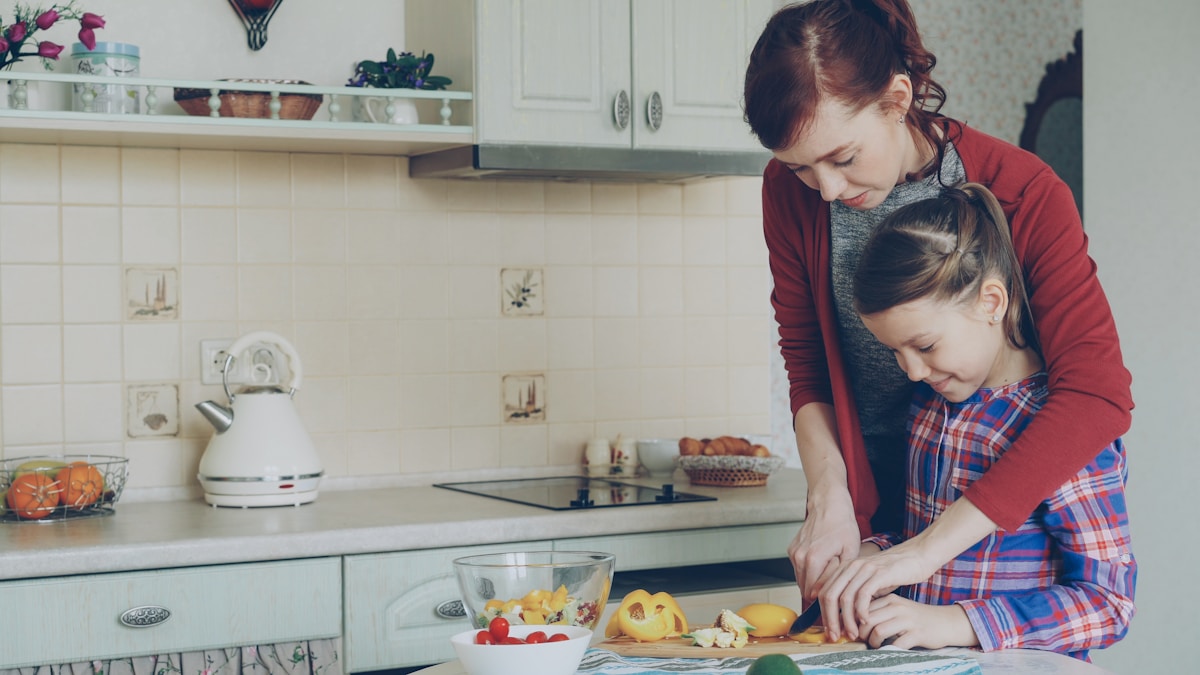
Instead of asking, “Can you cook something for Mother’s Day?” try a different approach. Give one very specific, very achievable task. For example: “Could you make the pancake batter from the box mix? I’ll handle the griddle.” Or “Will you slice the strawberries for the fruit salad? I’ll show you the right way to hold the knife.” A single responsibility builds confidence without overwhelming. Once they succeed at that, add one more element next time. Brand matters here — King Arthur Flour’s gluten-free pancake mix is foolproof, and kids can even personalize it with chocolate chips. For scrambled eggs, a classic go-to: crack eggs into a bowl, whisk until uniform, then cook over medium-low heat (around 250°F / 120°C) in a pat of butter, stirring gently with a rubber spatula. The result should be soft curds, not rubber. A Lodge 10-inch seasoned cast iron skillet holds heat beautifully for this.
Your Secret Weapon: Video Recipes
Teens are visual learners. The written recipe in Mom’s stained cookbook? That’s a foreign language. Instead, send them a link to a short, upbeat cooking video. YouTube channels like “Brothers Green Eats” or “Tasty” have step-by-step tutorials that feel more like entertainment than instruction. One dad on the Reddit thread mentioned assigning a simple “video recipe” for breakfast tacos — his 15-year-old daughter watched it twice, then executed perfectly. Let them follow along on a tablet or phone propped on the counter. The visual cues for “until golden brown” are far more intuitive than reading “cook 2–3 minutes per side.” And if they mess up? The video can be rewound. That’s a safety net without you hovering.
The Art of Praise: Even for Imperfect Results
Here’s the hard part for parents: the eggs might be overcooked, the pancakes lopsided, and the toast burnt. Bite your tongue. The goal is not a Michelin-starred meal; it’s a teen who feels capable and proud. Commenters on that r/daddit thread shared success stories that started with “It wasn’t perfect, but he was so proud when he served it.” So when your teen plates that slightly-crispy omelet, say, “I love how you kept at it even when the first one tore. The second one is perfect.” Specific praise reinforces effort over outcome. And when Mom tastes it? Have her say something genuine like, “You made this for me? That’s the best gift.” That emotional payoff is far more motivating than any lecture about responsibility.
Building a Family Tradition That Sticks
The real win isn’t a single Mother’s Day brunch — it’s creating a tradition that repeats. Start with one cooking session per month leading up to holidays. Assign roles: one teen is in charge of the vegetable side, another handles the protein. Rotate so everyone learns multiple skills. Use a kitchen hack like “Prep Club”: every Saturday breakfast, one teen chooses the recipe from a short list of three options. They research, they shop (with you), they cook (with you nearby). Over time, the training wheels come off. I’ve seen 16-year-olds grill a perfect steak (using a Thermapen instant-read thermometer, 130°F / 54°C for medium-rare) and plate dinner for the family, beaming with pride. That’s the magic — the kitchen becomes a place where they grow, not just eat.
Conclusion: A Little Encouragement Goes a Long Way
So next Mother’s Day, or any holiday, don’t expect a teenager to spontaneously become a short-order cook. Meet them where they are: hand them a simple task, a video to watch, and your genuine appreciation for the attempt. The mess will clean up. The burnt edges will be forgotten. What sticks is the memory of Mom’s smile when she saw that her kids tried. That’s what makes the kitchen a magic place — one imperfect, wonderful dish at a time.