


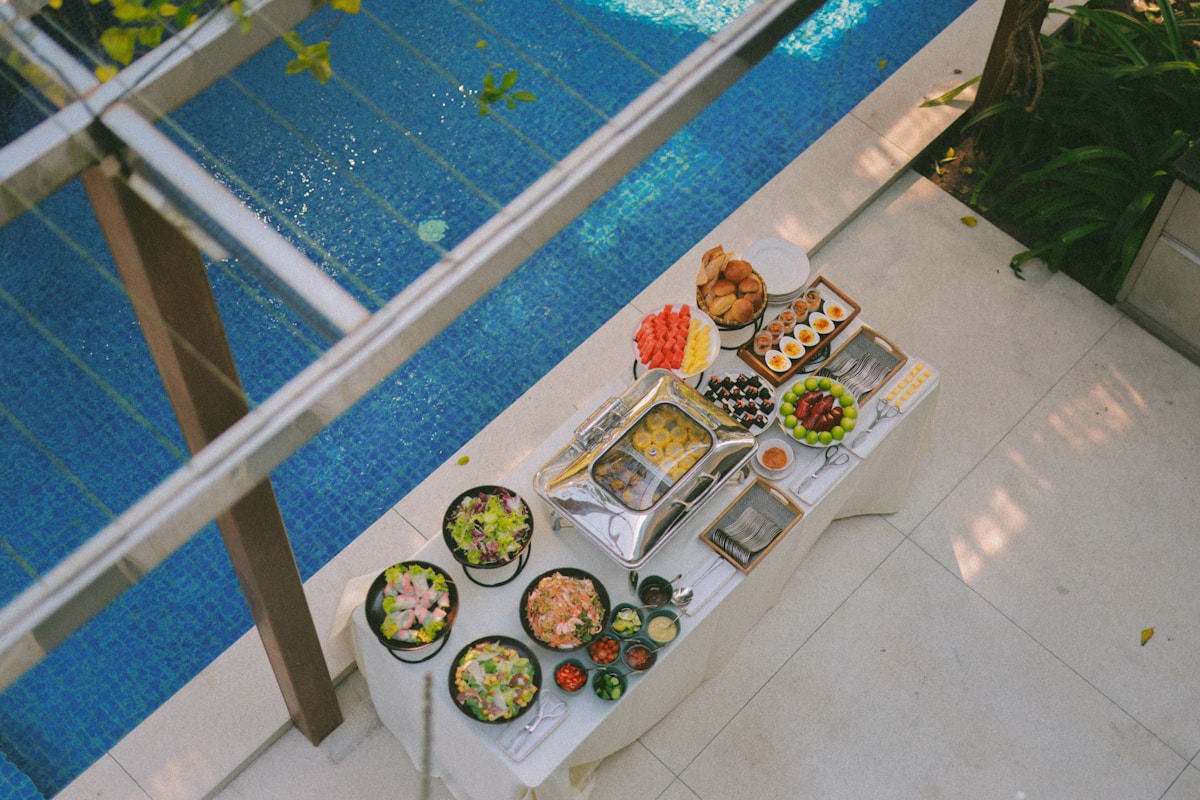
Have you ever been to a party where the food felt… random? A bowl of chili next to a platter of sushi next to a plate of brownies. While everything might be delicious on its own, it doesn’t quite come together. It’s just a collection of dishes. Now, imagine a different scene: a backyard gathering where every single bite, from the grilled corn salsa to the sunset-hued cake decorated with delicate buttercream flowers, transports you to a bohemian desert music festival. That’s the magic of a themed menu.
In my journey exploring food cultures, I’ve learned that the most memorable meals are the ones that tell a story. A themed menu isn’t just about cooking; it’s about world-building. It turns a simple get-together into an immersive experience, making your guests feel truly special and cared for. It’s a way to share a piece of your personality, a beloved hobby, or a cherished memory through the universal language of food. So, let’s leave the random potluck behind and learn how to craft a culinary story that your guests will be talking about for weeks.
The Story Starts with Your Theme
Before you even think about chopping a single vegetable, you need a concept. The theme is your North Star; it will guide every decision you make, from the flavor profiles to the color of the napkins. The strongest themes are often born from a place of personal passion, making the entire process more joyful for you as the host.
So, where do you find inspiration? Look around you!
- The Guest of Honor: Is this a birthday or celebration for someone special? Center the theme around their passions. A “Murder on the Orient Express” dinner for a mystery novel lover, a “Tuscan Sun” feast for someone dreaming of Italy, or a “Starry Night” dessert party for an art enthusiast.
- The Occasion or Season: Let the time of year guide you. Think of a cozy “Alpine Lodge” theme for a winter gathering, complete with mulled wine and cheesy fondue, or a vibrant “Tropical Luau” for a summer birthday, featuring pineapple-glazed skewers and coconut cream tarts.
- A Shared Memory or Interest: Did you and your friends take an unforgettable trip together? Recreate the magic with a “Taste of Thailand” night. Are you all obsessed with a particular TV show? A “Bridgerton”-inspired afternoon tea with delicate finger sandwiches and pastel macarons would be a spectacular hit.
The key is to get specific. “Music Festival” is a good start, but “Desert Bloom Music Fest” is even better. This specificity immediately gives you a clearer creative direction. You can envision the color palette (warm desert tones, sunset pinks, dusty greens), the textures (rustic, natural), and the flavors (smoky, spicy, citrusy).
Building the Culinary World Your Menu Blueprint
With your theme chosen, it’s time to be the architect of your culinary world. Think of your menu not as a list of recipes, but as a series of acts in a play. Each course should feel like a natural progression in the story you’re telling.
Let’s continue with our “Desert Bloom Music Fest” theme to see how this works in practice.
-
The Opening Act (Appetizers & Drinks): These should be easy to eat while mingling, setting the vibe without being too heavy. They are the first taste of the world you’ve created.
- Food: Think elevated street food. Miniature grilled chicken or black bean tacos on soft corn tortillas, drizzled with a cilantro-lime crema. Bites of avocado toast on rustic sourdough, topped with edible flowers and a sprinkle of Tajín. A vibrant mango and jicama slaw served in small cups.
- Drinks: This is a crucial first impression. A “Cactus Cooler” mocktail made with prickly pear syrup, lime juice, and sparkling water is visually stunning and on-theme. For a cocktail version, a splash of good tequila or mezcal adds a smoky depth.
-
The Headliner (The Main Course): This should be the satisfying heart of the meal. For a party, interactive food stations are fantastic because they encourage movement and conversation.
- A “Build-Your-Own-Bowl” bar is the perfect festival headliner. Start with a base of quinoa or cilantro-lime rice. Offer one or two proteins, like smoky pulled chipotle chicken and spiced roasted sweet potatoes. Then, go wild with toppings: black beans, grilled corn salsa, pickled red onions, crumbled cotija cheese, and a variety of sauces like avocado-tomatillo salsa and a creamy chipotle aioli.
-
The Grand Finale (Dessert): This is your showstopper. It’s the final, memorable note of the evening and often the most photographed element. We’ll dive deeper into this next, but for our festival, think beyond just a cake. A dessert board with chili-chocolate brownies, key lime pie tartlets, and fresh tropical fruit would be a fantastic, shareable option.
The Showstopper The Themed Cake as Your Centerpiece
A themed cake is more than dessert; it’s a piece of edible art that anchors your entire event. It’s the ultimate expression of your theme, and with a few key techniques, you can create something truly spectacular. Let’s deconstruct that dreamy, Coachella-inspired “Desert Bloom” cake.
-
The Canvas (The Cake Itself): The style of the cake sets the tone. A semi-naked or “undressed” cake, where the layers peek through a thin scrape of frosting, lends an effortlessly rustic and bohemian feel. The flavor inside should also tell a story. A light lemon and elderflower cake or a spiced carrot cake with cream cheese frosting would be delicious and fitting.
-
The Color Palette: Stick to the sunset hues we defined earlier. You can achieve this with natural food colorings or high-quality gel pastes (brands like AmeriColor or Chefmaster offer incredible pigment). Create an ombré effect with your buttercream, blending shades of soft pink, warm orange, and pale yellow for a dreamy, sunset-inspired finish.
-
The Decorations (The Magic): This is where you bring the theme to life.
- Piped Florals: You don’t need to be a professional pastry chef to do this! Focus on simple, effective shapes. Buttercream succulents are surprisingly easy to pipe. Use a star tip like the Wilton 1M to create spiky rosettes that look just like desert plants. Delicate piped wildflowers can be made with smaller petal tips.
- Texture and Sparkle: A sprinkle of edible gold glitter or a few flakes of edible gold leaf can catch the light beautifully, evoking a sense of festival magic. Crushed pistachios or toasted coconut around the base can mimic the desert sand.
- Non-Edible Accents: Sometimes the best touch isn’t edible. A simple, elegant laser-cut wood or gold acrylic cake topper with a phrase like “Good Vibes” or the guest of honor’s name can be the perfect finishing touch.
Connecting the Dots The Art of Cohesion
A truly great themed menu feels connected, as if every dish is speaking the same language. Cohesion is achieved through subtle repetition of flavors, colors, and motifs. It’s the invisible thread that ties everything together.
-
Flavor Threads: Identify one or two key ingredients or flavors from your theme and weave them throughout the menu. For our festival theme, cilantro, lime, and chili are perfect candidates. The lime could appear in the mocktail, the chicken marinade, and the key lime tartlets. The cilantro could be in the salsa and the crema for the tacos. This creates a familiar, pleasant echo for the palate.
-
Visual Consistency: Use your color palette as a guide for garnishes. If your theme is “English Garden Party,” fresh mint, berries, and edible flowers (like violas or borage) should appear on drinks, salads, and desserts. For our desert theme, a sprinkle of smoky paprika on a dip or a bright green cilantro leaf on a taco reinforces the visual story.
-
Kitchen Hack for Pro-Level Plating: Prep your garnishes ahead of time! This is a game-changer for reducing stress. Before the party, wash and chop your herbs, zest your citrus, and toast your nuts or seeds. Store them in separate, small airtight containers in the fridge. When you’re ready to serve, you can grab and sprinkle. This simple step elevates your presentation from home-cooked to thoughtfully catered. (Your future self will thank you.)
Execution and Presentation Serving the Story
You’ve designed a beautiful story; now it’s time to perform it. Great execution is all about smart planning and presenting your food in a way that enhances the theme.
-
The Timeline is Your Best Friend: Work backward from when you want to serve. What can be fully made a day ahead? (Dips, sauces, pie crusts, chopping vegetables). What needs to be marinated? What components can be prepped in the morning? What absolutely has to be cooked or assembled right before serving? A clear plan prevents last-minute panic and allows you, the host, to actually enjoy your own party.
-
Serveware as a Stage: The plates, platters, and boards you use are the stage for your food. They are part of the theme! For our rustic festival, mismatched ceramic bowls, natural wood boards, and slate platters are perfect. For a sleek, modern “Galaxy” theme, you’d want dark, dramatic plates—maybe even black slate—to make the colorful food pop like stars in the night sky.
-
Tell Them the Story: Don’t be afraid to guide your guests. Use small, handwritten or printed food labels. Instead of “Chicken,” call it “Smoky Chipotle Pulled Chicken.” These little details do so much work. They inform guests with dietary restrictions, and more importantly, they reinforce the world you’ve built, making the experience more engaging and fun.
Ultimately, a themed menu is an act of love. It’s a creative outlet that transforms a meal into a memory. When your guests walk in and their eyes light up, when they start taking pictures of the food, and when they tell you they felt transported to another place—that’s when you know you haven’t just served dinner. You’ve shared a story.

