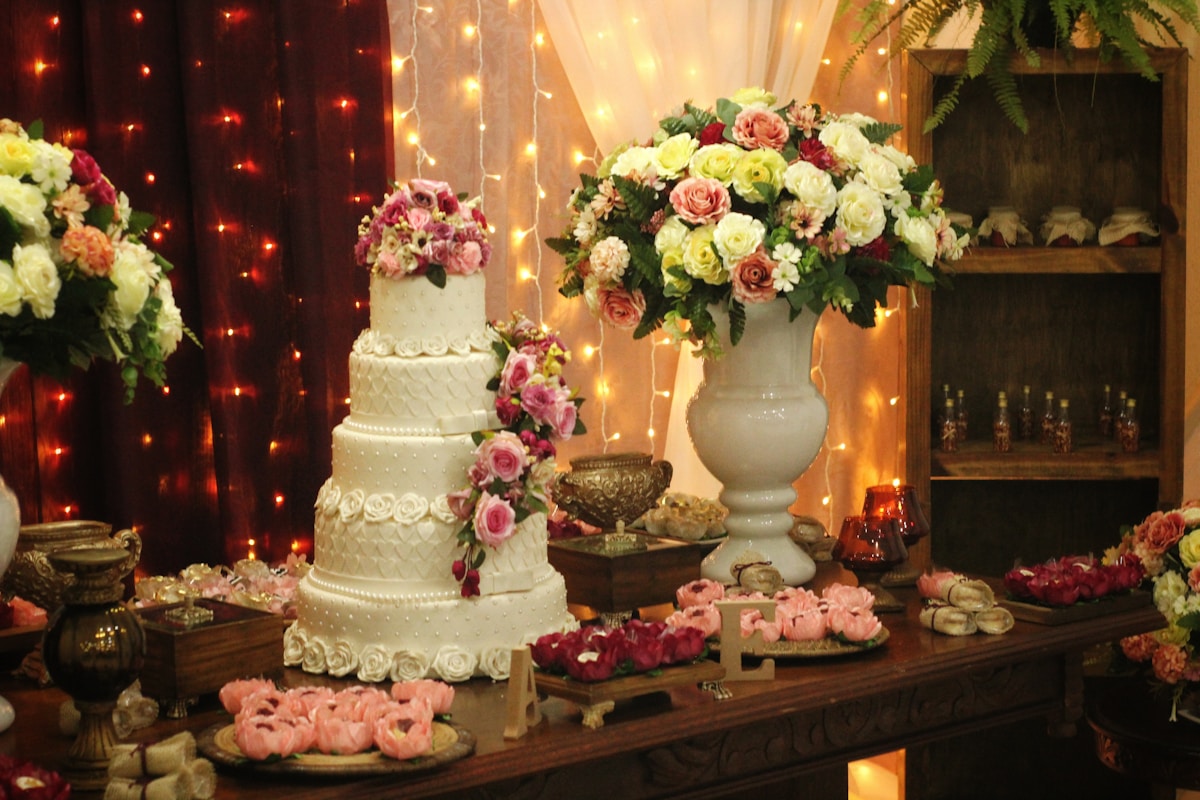
The air is changing. There’s a particular warmth that starts to creep back into the sun, a scent of damp earth and budding blossoms that signals the arrival of spring. And for so many of us, that shift in the season brings with it the familiar, wonderful anticipation of Easter—a time for gathering, for family, and for the special foods that tell the story of the holiday.
In my kitchen, Easter isn’t just about a single meal. It’s a symphony of aromas and textures that build over a few days. The tangy perfume of a sourdough starter bubbling on the counter, the sweet scent of a cake baking in the oven, the vibrant colors of spring vegetables waiting to be prepped. It’s a celebration of renewal, and nothing says renewal quite like a table laden with food made with love. Whether you’re continuing generations-old traditions or starting new ones, let’s walk through how to build an Easter menu that feels both timeless and perfectly yours.
The Symbolic Centerpiece Crafting the Perfect Lamb Cake
Before we even talk about the main course, let’s talk about the cake that often steals the show: the Lamb Cake. This isn’t just a dessert; it’s a beautiful piece of edible art steeped in symbolism. The lamb represents spring, rebirth, and holds deep significance in Easter traditions. Creating one yourself is a project that fills the kitchen with a sense of purpose and history.
First, you’ll need the right tool. This cake absolutely requires a special mold, often a two-part cast aluminum one. Brands like Nordic Ware have been making classic lamb molds for decades, and they are a worthy investment. The challenge with these intricate molds, however, is getting the cake out in one piece. (We’ve all been there, holding our breath during the big reveal!)
Here is my most cherished kitchen hack for this: Forget the spray. Make a batch of “baker’s grease.” Simply whisk together equal parts by volume of all-purpose flour, vegetable shortening, and a neutral vegetable oil until it forms a smooth, paintable paste. Using a pastry brush, carefully coat every single nook and cranny of the inside of your mold. This stuff is magic, and your lamb cake will slide right out, details intact.
For the batter, you need something sturdy. A delicate, airy sponge will likely break. A classic pound cake recipe or a dense vanilla butter cake is your best friend here. Fill the “face” half of the mold about two-thirds full, secure the other half on top, and place it on a baking sheet to catch any potential overflow. Bake at 350°F (175°C) for about 50-60 minutes, or until a long skewer inserted through the vent hole comes out clean.
Once baked and cooled, the decorating fun begins. The classic texture for the lamb’s “wool” is shredded coconut pressed gently into a layer of simple buttercream or cream cheese frosting. It creates a wonderfully fluffy look. If you have a coconut allergy in the family, a fantastic alternative is finely grated white chocolate or almond bark. It provides a similar texture and looks just as charming. A couple of jelly beans or mini chocolate chips for the eyes, and your centerpiece is complete.
Savory Sides That Shine Sourdough Dinner Rolls
While the sweets are often the stars, no holiday meal is complete without truly exceptional bread. The aroma of yeast and wheat baking is the universal scent of home and comfort. For Easter, I love to make sourdough dinner rolls. The subtle, complex tang of the sourdough provides a perfect counterpoint to the richness of a glazed ham or roasted lamb.
What elevates these from simple rolls to a holiday-worthy side is the presentation. Instead of just baking them in a round pan, consider shaping them into mini loaves. You can use mini loaf pans, or simply form the dough into small, oblong shapes and bake them side-by-side on a baking sheet. Each guest gets their own personal loaf, which feels incredibly special and thoughtful.
To achieve that beautiful, deep golden-brown, glossy crust you see in bakeries, an egg wash is essential. Just before they go into the oven, whisk one whole egg with a tablespoon of water and brush it lightly over the surface of each roll. Bake in a preheated oven at 375°F (190°C) for 20-25 minutes. The result is a roll with a soft, pillowy interior and a gorgeous, shiny crust that begs to be torn into.
Serving them warm from the oven in a cloth-lined basket is the final touch. It keeps them insulated and adds a rustic, inviting feel to your table. (Your future self will thank you for making the dough the day before and letting it cold-proof in the fridge overnight. On Easter morning, you just need to shape, proof, and bake.)
A Zesty Finale Mastering the Lemon Glazed Pound Cake
If a lamb cake feels like too much of a project, a Lemon Glazed Pound Cake is an equally festive and much simpler alternative that screams “spring.” Its bright, zesty flavor is the perfect way to end a celebratory meal. The most common question I hear about this cake is how to get the glaze just right—not too thin that it soaks in and disappears, but not so thick that it cracks and flakes off.
After many trials, I’ve landed on the perfect, fool-proof ratio. For an opaque glaze that drapes beautifully over the cake, you’ll need:
- 1.5 cups (about 180g) of powdered sugar, sifted
- 3 to 4 tablespoons of fresh lemon juice
Sifting the powdered sugar is a non-negotiable step; it’s the only way to guarantee a perfectly smooth, lump-free glaze. Place the sifted sugar in a bowl and add the lemon juice one tablespoon at a time, whisking vigorously after each addition. You are looking for a consistency that’s thick, like honey or molasses, but still pourable. It should slowly ribbon off your whisk.
Here’s the most important tip: your cake must be completely cool before you glaze it. If the cake is even slightly warm, the heat will melt the sugar and cause the glaze to turn thin and transparent. Once cool, place the cake on a wire rack with a sheet of parchment paper underneath to catch drips. Pour the glaze slowly over the top, allowing it to cascade down the sides naturally. Let it set for at least 30 minutes before serving. The result is a stunning, professional-looking finish with a bright, tangy citrus punch.
The Art of Presentation Making Homemade Feel Like a Gift
One of the most heartwarming things I see in cooking communities is the shared belief that effort and love are what truly matter. Even if your lamb cake slumps a little or your rolls are misshapen, they were made with care, and that is what your guests will remember.
That said, a little thoughtful presentation can elevate your beautiful homemade creations and make the celebration feel even more special. You don’t need to be a professional food stylist. If you’re taking your dessert to a family gathering, consider investing in a simple, professional-style cake box—the kind with a clear window on top. Placing your homemade Lamb Cake or Lemon Pound Cake in one of these instantly transforms it from “something I baked” to a truly impressive gift. It shows an extra layer of care.
For serving at home, nature is your best friend. A simple cake stand is a great start. Tuck a few fresh mint leaves around the base of your Lamb Cake to simulate grass. A few edible flowers, like pansies or violas, scattered on and around your Lemon Pound Cake add a breathtaking pop of color. These small touches take only a moment but have a huge visual impact.
Ultimately, the food on your Easter table is a reflection of the love you have for the people you’re sharing it with. It’s the story of your family, told through comforting aromas, cherished recipes, and the simple, profound joy of breaking bread together. Happy baking!


 Beatrice