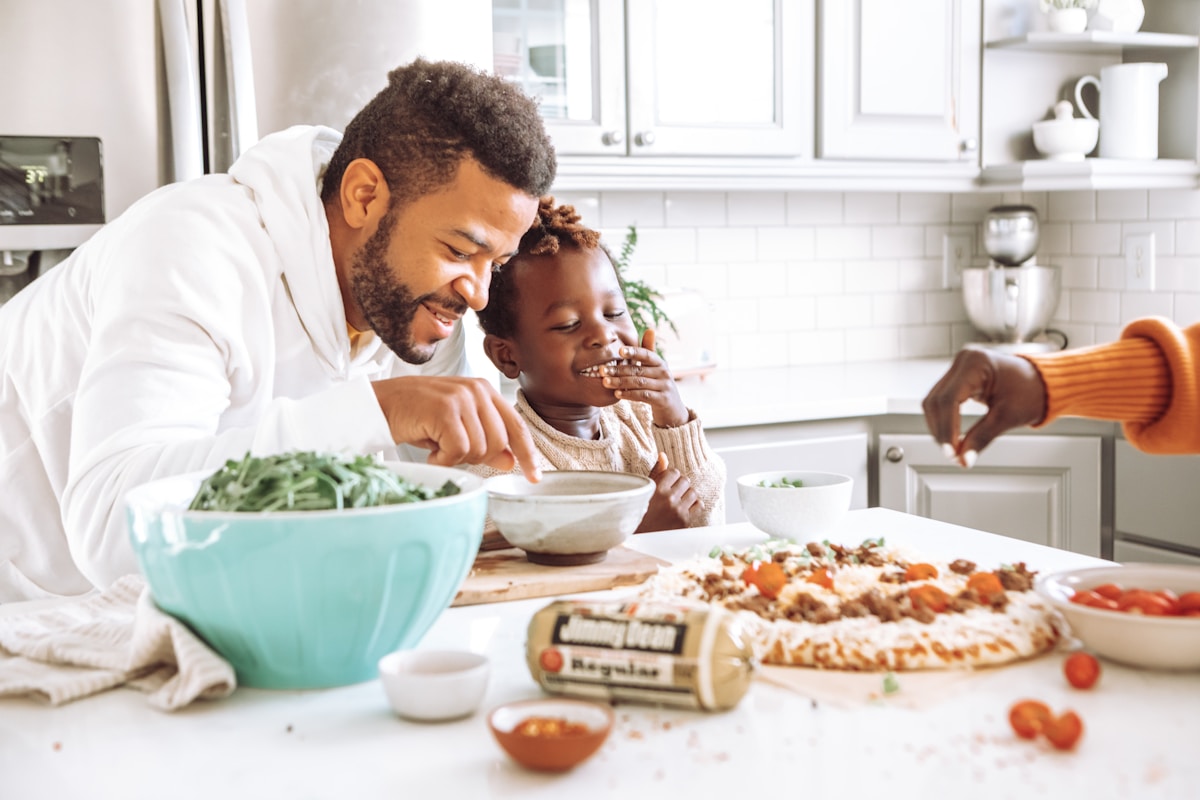
Oh, that familiar feeling. You’ve spent the better part of an hour planning, shopping for, and carefully cooking a beautiful, nutritious meal. You place it on the table, your heart full of hope, only to be met with a wrinkled nose and a tiny voice declaring, “I don’t want that.”
My dear friend, if this has ever happened at your dinner table, please know you are not alone. It’s a moment that can deflate even the most patient parent. We try to explain how lucky we are to have food, we talk about the effort involved, but sometimes the lectures just don’t land. For our little ones, especially those around five or six years old, gratitude can feel like a big, fuzzy, abstract word.
But what if I told you the most powerful tool for teaching gratitude wasn’t a lecture at all? What if it was right there in your kitchen, waiting for you? It’s the whisk, the mixing bowl, the vegetable scrubber, and a pair of tiny, eager hands. The kitchen is where we can transform the abstract concept of thankfulness into a tangible, delicious, and sometimes wonderfully messy experience. It’s where we stop telling our children to be grateful and start showing them what gratitude feels like.
Why Words Aren’t Enough for Little Chefs
Think about it from a child’s perspective. Food, for the most part, just appears. It comes from the grocery store in bags and then, like magic, shows up on their plate. It’s hard to appreciate the journey of a carrot when you’ve only ever seen it as a perfectly round, orange coin next to your chicken nuggets.
The real lesson happens when that same child gets to hold a lumpy, dirty carrot fresh from the garden or the grocery bag. They get to feel the cool water run over it as they scrub away the earth with a little brush. They watch you carefully slice it (a grown-up job, for now!) and then help you toss it with a drizzle of olive oil. They smell it roasting in the oven, its earthy sweetness filling the whole house.
When that carrot finally lands on their plate, it’s not just a vegetable anymore. It’s their carrot. They were part of its story. They understand, in a way no words could ever teach, that effort and care and time went into its creation. That, right there, is the seed of genuine gratitude. You’re not just making dinner; you’re connecting your child to the source of their nourishment and giving them a sense of ownership and pride that is simply priceless.
The ‘Before the Meal’ Gratitude Game Plan
The lessons in appreciation begin long before the oven is even preheated. Involving your child in the planning and shopping stages builds excitement and gives them a stake in the meal from the very start.
One of my favorite ways to do this is with a “Picture Grocery List.” Forget writing words they can’t yet read. Grab a small notebook and a pack of crayons and ask your little one to be your official list-maker. If you need milk, have them draw a carton. If you need apples, they can draw a round, red circle. It transforms a mundane task into a creative project. They’ll proudly carry their list through the store, helping you find the items they drew. (This is also a sneaky and fantastic way to practice colors and shapes!)
Once you’re at the store, reframe it as a “Supermarket Scavenger Hunt.” Instead of rushing through the aisles, slow down and engage their senses. Ask them, “Can you help me find the bumpiest broccoli trees?” or “Which of these tomatoes feels the most ready to go into our sauce?” Let them hold the bag of potatoes and feel how heavy it is. This direct involvement grounds them in the reality that food has weight, texture, and a life before it gets to our pantry. It’s a simple shift in perspective, but it makes all the difference.
Your 5-Year-Old’s First Kitchen Jobs
Alright, you’ve planned your meal and brought home your treasures. Now the real fun begins! For a five or six-year-old, the key is to give them real, meaningful jobs that they can complete safely and successfully. Here are some wonderful first kitchen tasks that build both skills and a sense of contribution:
-
The Official Washer and Scrubber: Set up a stool at the sink and hand them a soft vegetable brush (the OXO Good Grips palm brush is fantastic for little hands). Let them scrub potatoes, carrots, or cucumbers in a basin of cool water. They will splash, and that’s okay. They’re learning to care for the ingredients.
-
The Master Tearer: Any salad that needs lettuce is a perfect job for a child. Show them how to tear the leaves into bite-sized pieces and drop them into a big salad spinner. They can also help snap the ends off green beans—the satisfying snap is music to a little one’s ears.
-
The Super Stirrer: While hot liquids are off-limits, there are plenty of things a child can stir. Give them a bowl with a non-slip bottom, a sturdy wooden spoon, and let them mix pancake batter, whisk eggs for scrambling, or combine the ingredients for a simple vinaigrette. Remind them that their stirring is a very important part of making the recipe work.
-
The Careful Pourer: This one builds incredible motor skills. Use plastic, kid-friendly measuring cups (the colorful sets from brands like Learning Resources are great) and let them measure and pour dry ingredients like flour, sugar, or oats into the main bowl. (My little kitchen hack: place the main mixing bowl inside a large sheet pan to catch the inevitable spills. It makes cleanup a breeze!)
-
The Finishing Flourisher: This is the grand finale, the moment of ultimate pride. Let your child be the one to sprinkle the cheese on the casserole, add the croutons to the salad, or place the berries on top of the yogurt. It’s their signature, their final touch that makes the dish complete.
A Simple Recipe to Start The ‘Thankful Tacos’
If you’re wondering where to begin, taco night is the absolute best starter meal for little helpers. It’s naturally deconstructed, allowing for many hands to do many small jobs. I call them “Thankful Tacos” in my house.
Here’s the plan:
-
Grown-up’s Job: Brown 1 lb of ground beef or turkey. Drain the fat, and stir in a packet of mild taco seasoning (like a classic McCormick packet) and a bit of water. Let it simmer while you and your helper get everything else ready.
-
Your Little Chef’s Jobs:
- Lettuce Tearing: Wash and tear up a head of romaine lettuce.
- Guacamole Mashing: Scoop the flesh of two ripe avocados into a bowl. Add a squeeze of lime juice and a pinch of salt. Hand your child a potato masher and let them go to town! (It’s okay if it’s lumpy—that’s called rustic!)
- Topping Distribution: Let them scoop the shredded cheese, sour cream, and salsa into small, separate bowls for the table.
- Table Setting: Task them with putting out the napkins, the (unbreakable) plates, and all the little bowls of toppings they just prepared.
When it’s time to eat, everyone can build their own taco. Your child will look at the spread on the table and see their work everywhere—in the green guacamole, the fluffy lettuce, the perfectly arranged bowls. That pride is the secret ingredient that makes everything taste better.
From ‘Yuck’ to ‘Yum’ The Magic of Ownership
Something truly magical happens when a child has invested their own time and effort into a meal. The food is no longer a foreign object placed before them; it’s a creation they helped bring to life. I’ve seen it time and time again. A child who swears they despise beans will happily gobble up a chili they helped stir. A picky eater who pushes away anything green will proudly crunch on a salad they helped toss.
This isn’t just about tricking them into eating their vegetables. It’s about shifting their entire relationship with food. It becomes a source of pride, accomplishment, and connection to the family. When they have ownership, the complaints often melt away, replaced by an eagerness to share the fruits of their labor. They’ll proudly announce to everyone at the table, “I mashed the avocado!” And that pride is a very close cousin to gratitude.
The Final Lesson Don’t Forget the Cleanup!
The cycle of gratitude doesn’t end when the last bite is taken. The work of a meal includes the cleanup, and this is just as important a lesson in appreciation. It teaches respect for our tools, our kitchen, and the effort it takes to reset for the next meal.
Of course, the tasks should be age-appropriate:
-
Clearing Their Spot: Start by having them carry their own non-breakable plate, cup, and silverware to the sink.
-
Wiping the Table: Give them a damp cloth and let them wipe down their own placemat or their section of the table.
-
Putting Things Away: They can help put away unbreakable items, like plastic food storage containers or their special kid-safe utensils.
By participating in the cleanup, they learn that the meal is a complete process. We plan, we prepare, we enjoy, and we tidy up together. It closes the loop, reinforcing the idea that every part of the process is an act of care for our family and our home.
So next time you feel that wave of frustration at the dinner table, take a deep breath and invite your little one into the kitchen the next day. Yes, it might be messier. It will almost certainly be slower. But every floury handprint on the counter and every spilled drop of water is an investment. It’s an investment in a child who understands where their food comes from, who feels pride in their contributions, and who is building a foundation of gratitude, one delicious meal at a time. The mess is temporary, but the memories and the lessons will nourish them for a lifetime. Happy cooking!