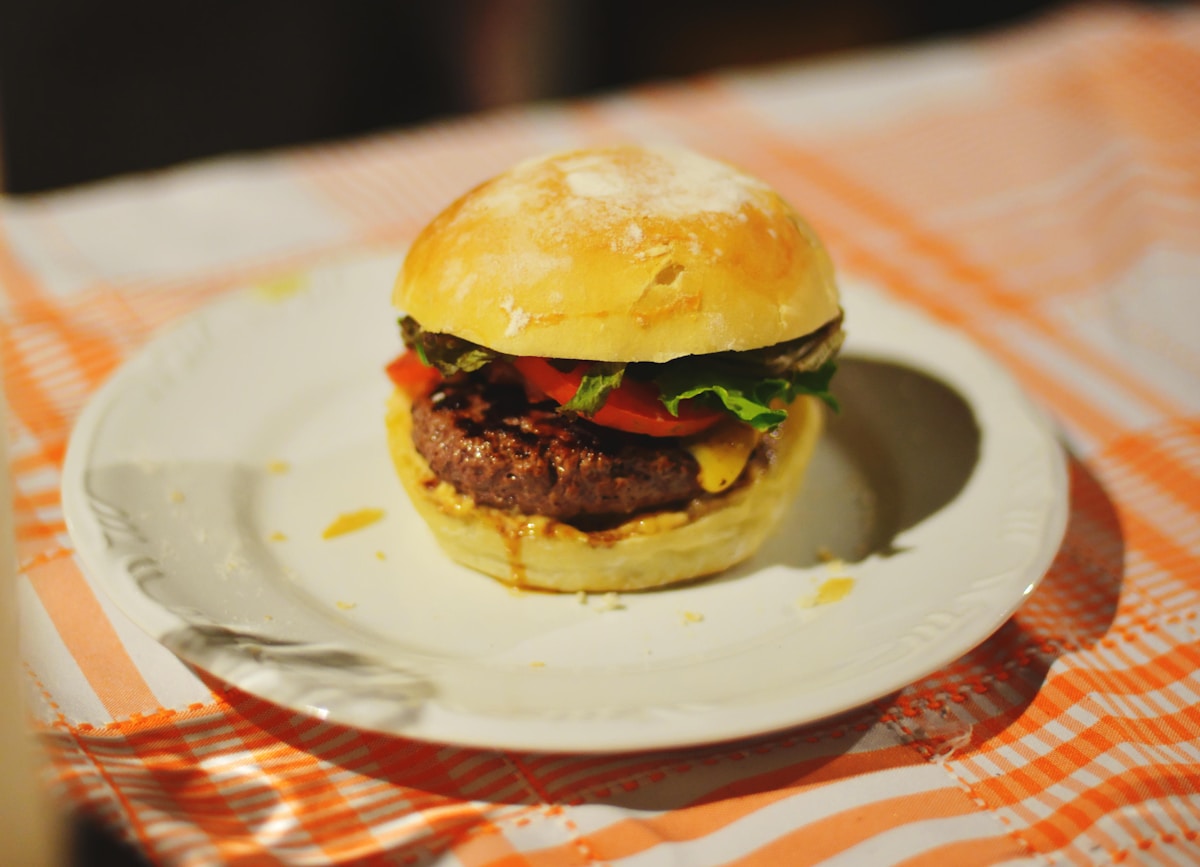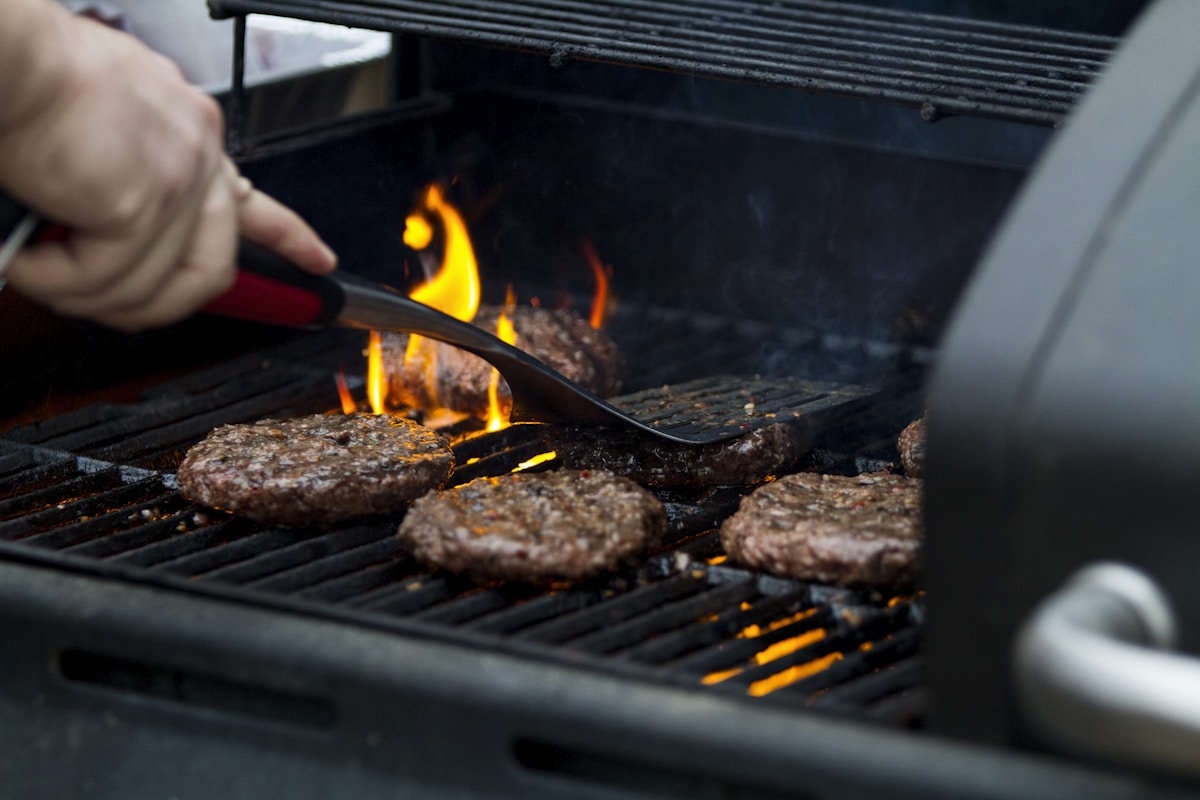
It is a familiar scene: you spent time forming patties, grilling them, and setting out buns and toppings. Your family takes a bite, and one of the kids says, “These are okay, but they’re not like the ones from the drive-through.” That comment can be frustrating, but the good news is that with a few key techniques, your homemade burgers can taste every bit as delicious as fast food – often better. The secret is not in fancy ingredients or complicated recipes. It is in the meat you choose, how you season it, and the way you cook it. Let us walk through each step so your next burger night is a hit.
Key Takeaways
- Use 80/20 ground beef for juicy, flavorful patties.
- Season simply with salt and pepper just before cooking.
- Master the smash burger technique for a crispy crust and tender interior.
- Toast the buns and use American cheese for that classic fast-food melt.
- Keep toppings simple and assemble strategically to avoid sogginess.
1. Start with the Right Ground Beef (80/20)
The foundation of any great burger is the meat itself. For a juicy, flavorful patty that mimics the taste of fast food, you want ground beef with an 80/20 lean-to-fat ratio. That means 80% lean meat and 20% fat. The fat is what gives the burger moisture and that rich, beefy taste when it hits the heat. Leaner blends like 90/10 will produce dry, crumbly patties that cannot compete.
Handling raw ground beef safely is important, especially when cooking for the family. Keep the meat refrigerated until you are ready to use it. Wash your hands thoroughly before and after touching raw beef, and avoid letting it come into contact with other foods or surfaces. Use a separate cutting board or plate for the raw patties.
Forming the patties: Do not overwork the meat. Gently shape the ground beef into balls or discs, handling it as little as possible. If you pack it too tightly, the patty will become dense and tough. Aim for patties that are slightly larger than your bun because they will shrink during cooking. Make a shallow indent in the center of each patty with your thumb. This helps the patty cook evenly and prevents it from puffing up into a ball shape.
2. Season Like a Pro – Simple and Timely
Fast food burgers are not complicated in the seasoning department. They rely on salt and pepper applied at the right moment. For a classic taste, use only kosher salt and freshly ground black pepper. You can add a small pinch of onion powder or garlic powder if you like, but keep it minimal. The goal is to enhance the beef, not mask it.
When to season: Season the patties just before they go into the pan. If you salt the meat too early, the salt will draw out moisture and make the patty dry. Sprinkle both sides generously, then place them on the hot cooking surface immediately.
What not to add: Resist the urge to mix in eggs, breadcrumbs, diced onions, or Worcestershire sauce. Those additions change the texture and make the burger more like a meatloaf than a fast-food patty. For this style of burger, it is just beef and seasoning.
3. Master the Smash Burger Technique
The smash burger method is the single most effective way to replicate the texture and crust of a fast food burger at home. It works because it creates an incredibly thin patty with a deeply caramelized, crispy crust while the inside stays tender.
What you need: A cast-iron skillet or a flat griddle works best. Preheat it over high heat until it is smoking hot. Do not use non-stick pans on high heat; cast iron or carbon steel can handle the temperature.
The process: Take a ball of the seasoned ground beef (about 2 to 3 ounces per patty, depending on bun size) and place it directly on the hot surface. Using a sturdy metal spatula, immediately press down firmly to flatten the ball into a thin patty. You can use a piece of parchment paper between the spatula and the meat to prevent sticking. Smash until the patty is about 1/4 inch thick.
Do not move it: Let the patty cook undisturbed for about 2 to 3 minutes. You want a deep brown crust to form. If you try to lift or shift it too early, the crust will tear.
Flip only once: Once the edges look brown and the patty releases easily, flip it. Immediately place a slice of American cheese on top and cover the pan with a lid or a metal dome. The steam will melt the cheese perfectly in less than a minute. Do not press down on the patty after flipping – you will squeeze out the juices.
Why this beats grilled thick burgers: Thick patties take longer to cook, which often leads to a well-done center before the outside gets any color. The smash method gives you that coveted crust in about half the time, keeping the interior juicy. For a true fast-food experience, smash is the way to go.
4. Toast the Buns and Melt the Cheese Properly
A soggy bun can ruin an otherwise perfect burger. Fast food joints toast their buns for a reason – it creates a barrier that absorbs moisture without turning mushy, and it adds a warm, buttery flavor.
How to toast: While your patties rest, use the same pan or griddle. Spread a thin layer of butter on the cut sides of the hamburger buns. Place them butter-side down on the hot surface and toast until golden brown, about 30 to 60 seconds. Watch them closely – they burn quickly.
Choosing the cheese: For that classic fast-food melt, processed American cheese is unbeatable. It melts smoothly and evenly, creating that creamy layer that stretches as you lift the patty. Cheddar or Swiss will also melt, but they do not give the same gooey consistency. If you want a close match, use American cheese slices.
5. Assemble with Classic Fast-Food Toppings
Keep the toppings simple and fresh. The classic combination includes shredded iceberg lettuce, thin slices of white onion, dill pickle chips, ketchup, and yellow mustard.
Order of assembly matters to prevent sogginess. Start with the bottom bun. Place the patty with melted cheese on the bottom. Then add the wetter ingredients like pickles, ketchup, and mustard on top of the patty. Put the lettuce and onion on the top bun or between the patty and the top bun. This keeps the bottom bun from getting soaked by condiments.
Serve immediately. A fast food burger is meant to be eaten right away while the bun is warm and crisp and the cheese is still gooey. If you let it sit, the bun will soften and the crust will lose its snap.
6. Common Mistakes to Avoid
- Using lean ground beef (90/10 or higher): This produces dry, crumbly patties. Stick to 80/20.
- Overworking the meat or forming thick patties: Thick patties take too long to cook and lose moisture. Keep them thin for fast-food style.
- Cooking on medium heat: You need high heat – really high – to get that crust. Low heat will steam the meat instead of searing it.
- Not toasting the buns: A soft, untoasted bun will quickly become soggy from the juices.
- Pressing down on the patty while it cooks: This squeezes out the flavorful juices and makes the patty dry. Resist the urge.
- Adding too many condiments or heavy toppings: Keep it simple. The patty should be the star. Overloading can make the burger messy and dilute the taste.
Frequently Asked Questions
What is the best fat percentage for homemade burgers? 80/20 (20% fat) is ideal for juicy, flavorful patties that rival fast food. The fat is what gives the burger moisture and that rich taste.
Should I add eggs or breadcrumbs to burger patties? No – for a fast-food style burger, keep it to ground beef and simple seasoning. Fillers like eggs or breadcrumbs change the texture and are not needed. You are aiming for a pure beef patty.
How do I get a crust on my burger patty? Use high heat, a flat cooking surface like cast iron or a griddle, and the smash technique. Press the patty thin and let it cook undisturbed until a deep brown crust forms. Flip only once.
What internal temperature should the patty reach? For safety, ground beef should be cooked to an internal temperature of 160 degrees Fahrenheit. Use an instant-read thermometer to check. This temperature is well above the recommended safe zone, and with a thin smash patty, it will cook quickly without drying out.
Can I grill the patties instead of using a skillet? You can, but the smash technique works best on a flat surface because it requires direct contact to create the crust. On a grill, the meat tends to fall through the grates. If you prefer grilled, form slightly thicker patties and cook on high heat, but know that the texture will be different from fast food.
How do I keep the burger from falling apart? Smash patties are thin and delicate, but they hold together well because the crust forms quickly. Avoid moving the patty until the crust sets. Also, do not overwork the meat – gentle handling keeps the protein structure intact.
Can I use a meat thermometer for such a thin patty? It is tricky with a regular probe because the patty is so thin. A thin-tipped instant-read thermometer inserted sideways can give a reading. Alternatively, cook the patty until the exterior is deeply browned and the center is no longer pink. Because the patty is thin and cooked on high heat, it will reach 160°F quickly. When in doubt, use the thermometer.
By focusing on these simple techniques – the right beef, minimal seasoning, the smash method, and proper assembly – you can create homemade burgers that truly taste better than fast food. Your family will likely agree, and you will enjoy the savings and the satisfaction of making them yourself. Happy cooking.