You know the feeling. You pack a lunch for your child, cross your fingers, and hope the apple slices don’t come home mushy and the sandwich doesn’t get traded for a bag of chips. Then you see a Reddit post about an adult snack box for work — Greek yogurt, hard-boiled eggs, almonds, cheese, berries — and you think, why can’t this work for kids?
It can. In fact, the same principles that make adult snack boxes satisfying (protein, healthy fats, fruit, portion control) are exactly what growing bodies need. The trick is making it fun, safe, and actually edible for little hands and picky palates. Let me walk you through how to build a school lunch snack box that your kids will look forward to opening.
Why a Snack Box Beats a Traditional Lunch
A bento-style snack box isn’t just a trend. It’s a practical solution to a common problem: kids get bored with a single sandwich, and they often skip vegetables or fruits that are mushed together with other foods. By separating components into small compartments, you give them choice without overwhelming them.
Plus, the Reddit community was spot-on about portion control. A snack box naturally limits how much of each food you include, which helps avoid waste. For school, you can pack a variety of nutrients without the pressure of finishing a whole sandwich. My own kids would rather eat four or five small bites of different things than one large item. (And honestly, so would I.)
The other big win is time. You can prep snack boxes for the entire week on Sunday afternoon. Just like adult meal prep, you cook a batch of hard-boiled eggs, portion out yogurt, wash berries, and slice cheese. Then each morning you grab a box and go. No decision fatigue, no last-minute scrambling.
The Building Blocks of a Kid-Friendly Snack Box
Think of the snack box as a puzzle with four key pieces: protein, healthy fat, fruit, and a fun touch. Here is how to approach each one for school-aged children.
Protein: This is the foundation. Hard-boiled eggs are a classic. Cook them for exactly 10 to 12 minutes in boiling water (for large eggs, simmer at 100°C / 212°F), then plunge into ice water for easy peeling. You can also use diced cooked chicken, turkey roll-ups, or plain Greek yogurt. For kids under four, cut eggs into quarters to avoid choking hazards.
Greek yogurt is a fridge staple in our house. I buy full-fat plain yogurt (Fage or Chobani are reliable) and add a tiny drizzle of honey or a few frozen berries on the side. The kids stir it themselves at lunch — that little bit of control makes them more likely to eat it.
Healthy fats: Almonds are great for older kids (ages 5+), but for younger children, nuts can be a choking risk. Instead, try sunflower seeds, pumpkin seeds, or a thin layer of almond butter spread on apple slices. Cheese cubes or cheese sticks (Sargento or Cabot) are always a win. Hard cheeses like cheddar hold up well without refrigeration for a few hours.
Fruit: Berries are perfect because they don’t need cutting. Wash and dry them thoroughly so they don’t make the box soggy. Grapes must be cut lengthwise (by law? no, by common sense) for kids under 5. Apple slices treated with a little lemon juice stay from browning. Dried fruit like apricots or raisins can also work, but watch out for added sugar.
The fun touch: This is where you can get creative. A small cookie cutter to shape cheese into stars. A mini silicone muffin cup filled with a tablespoon of homemade trail mix. A single dark chocolate chip hidden among the berries. The goal is to make the box feel like a treasure.
Age-Appropriate Ideas and Safety First
Let’s get real about what kids can handle. A toddler’s snack box looks different from a fifth grader’s. Here are specific combos for each stage.
Ages 2-4: Focus on soft, easy-to-chew foods. Quartered hard-boiled egg, tiny cubes of soft cheese (like mozzarella), steamed carrot sticks (not raw), and blueberries halved. Use a bento box with shallow compartments — Yumbox makes a great one with leak-proof sections. No whole nuts. Avoid sticky dried fruit that can get lodged in teeth.
Ages 5-8: They can handle more texture. Half a hard-boiled egg, a handful of roasted chickpeas (Biena brand is low-sodium), cheese cubes, sliced cucumber, and strawberries. You can include a small container of ranch dip for extra veggie appeal.
Ages 9+: This is where the Reddit adult box really translates. Greek yogurt in a leak-proof container, almonds (if allowed at school), a boiled egg, apple slices, and a square of dark chocolate. Add edamame or snap peas for crunch.
One kitchen hack that changed my life: make egg muffins in a well-greased silicone muffin pan. Whisk 6 eggs with a splash of milk, pour into muffin cups, add chopped spinach and shredded cheese, bake at 175°C (350°F) for 15 to 18 minutes. Let cool completely, then store in the fridge for up to five days. These are perfect for snack boxes. No silverware needed.
Packing Tips That Survive a Backpack
Even the best snack box fails if it gets crushed or leaks. Here is what I have learned from years of trial and error.
First, invest in quality containers. Stainless steel bento boxes (like the ones from LunchBots or EcoLunchbox) are durable and easy to clean. If you prefer plastic, look for ones with snap-tight lids. Avoid thin lids that crack after a few weeks.
Always pack wet items separately. If you are including yogurt or dip, use a small leak-proof container inside the box. A trick from the Reddit thread: freeze the yogurt cup overnight, then pack it in the morning. It stays cold and thaws by lunchtime, acting as an ice pack for the rest of the food.
For items that need to stay cool, add an ice pack under the box or use an insulated lunch bag. Hard-boiled eggs and cheese are fine at room temperature for a few hours, but yogurt and cut fruit should stay below 4°C (40°F). I use a reusable ice pack from PackIt — the kind that freezes inside the bag itself.
Portion control is your friend. A snack box should contain about 300 to 400 calories for a school lunch, depending on age. That is roughly one egg, a quarter cup of nuts or seeds, half a cup of yogurt, and a cup of fruit. Adjust based on your child’s appetite.
Getting Kids Involved in the Process
The more ownership a child has over their lunch, the more they will eat it. This is not just parenting wisdom; it’s backed by research on food neophobia. So let them help.
On Sunday, set out the ingredients: a bowl of washed berries, a plate of cheese cubes, a container of hard-boiled eggs, and some crackers. Let your child choose one item from each category. Even a three-year-old can pick a blue or red bowl. Older kids can assemble their own boxes with minimal supervision.
You can also make a “snack box menu” together. Draw pictures or write a list of possible combos. That way, they feel invested and you avoid the dreaded “I don’t like that” at the lunch table.
One family ritual we love is “taste test Tuesday.” Each week we try one new food in the snack box — maybe roasted chickpeas or a piece of dried mango. No pressure to finish it. Just a bite. Some foods become favorites; others don’t. That’s okay.
Common Mistakes and How to Fix Them
Even with the best intentions, snack boxes can go wrong. Here are the pitfalls I see most often from other parents.
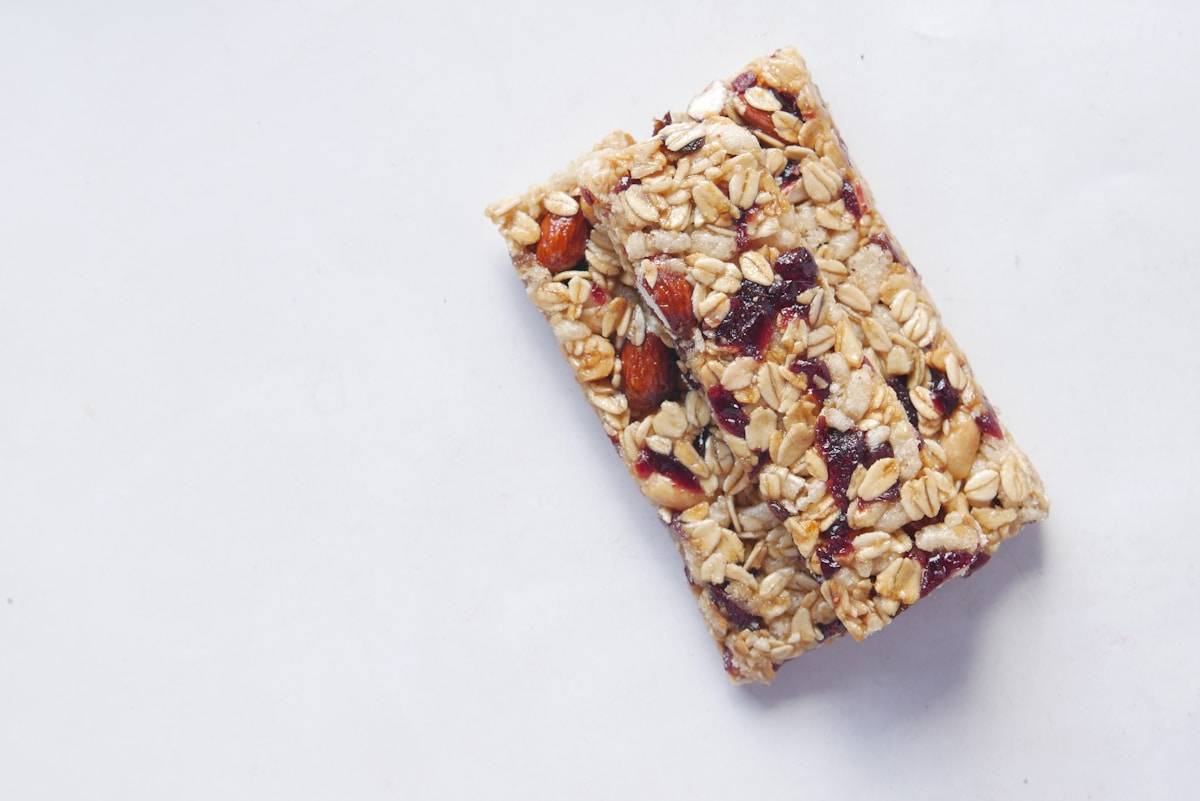
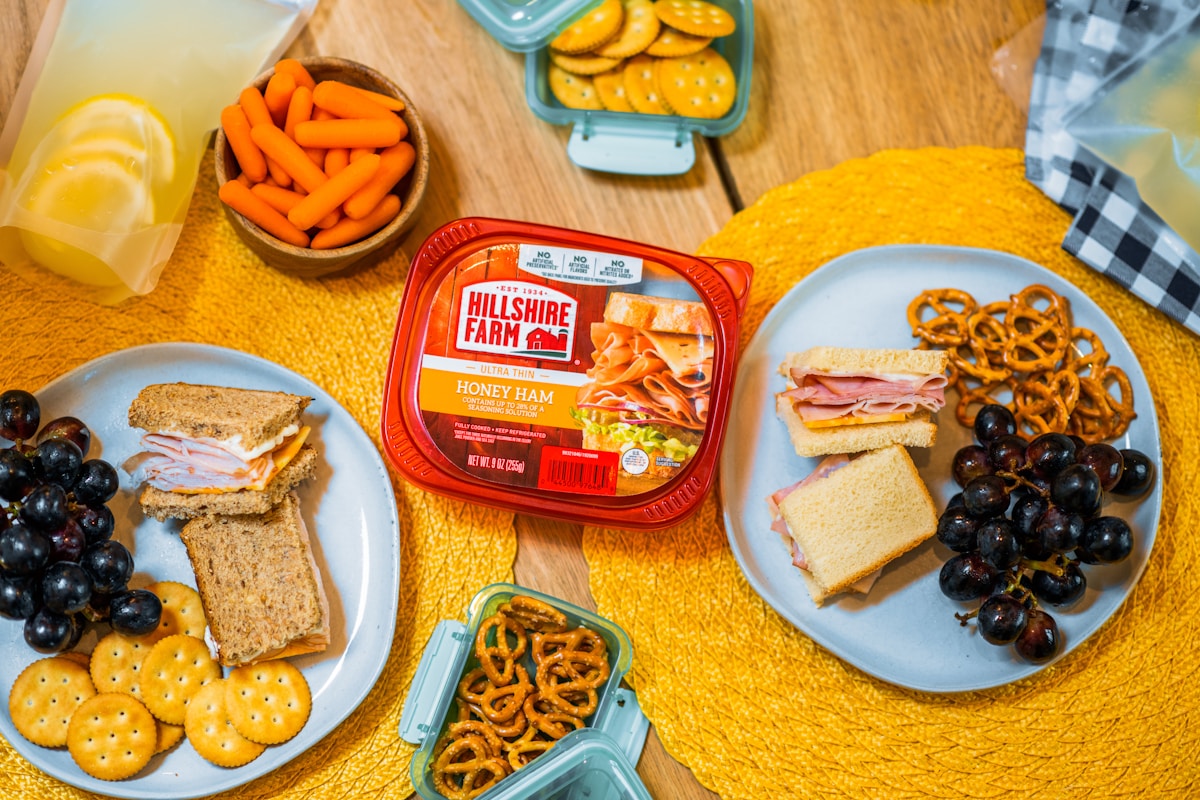
Too many carbs. Crackers, pretzels, granola bars — they fill up the box but offer little nutrition. Aim for at least two protein sources and one fruit or vegetable per box.
Boring repetition. If you pack the same thing every day, even the most delicious egg will become tiresome. Rotate protein sources: one day egg, next day chicken, then yogurt.
Ignoring the school’s nut policy. Always check. If nuts are banned, substitute seeds (sunflower seed butter works beautifully) or soy-based snacks like edamame.
Forgetting the ‘fun factor.’ A plain box of food is unappealing. A small note on a sticky, a colorful silicone cup, or a star-shaped cheese slice makes a big difference.
Final Thoughts on Building a Snack Box Habit
Creating a healthy school lunch snack box is not about perfection. It’s about progress. Some days your child will eat every single bit. Other days they will come home with the berries untouched and the cheese squished. That is normal.
The beauty of the snack box approach is flexibility. You can adapt it to what’s in season, what’s on sale, and what your child is currently obsessed with (for my youngest, that’s currently plain Greek yogurt with a sprinkle of cinnamon — go figure).
Start small. Pick three items this week and see how it goes. Cook a batch of eggs on Sunday. Wash a bag of apples. Let your child pick one fun container. Before you know it, the snack box becomes a happy part of your morning routine — and your child’s lunch break becomes something they actually look forward to.
The kitchen is a magic place, and sometimes that magic shows up in a simple box of food packed with love. Happy prepping.