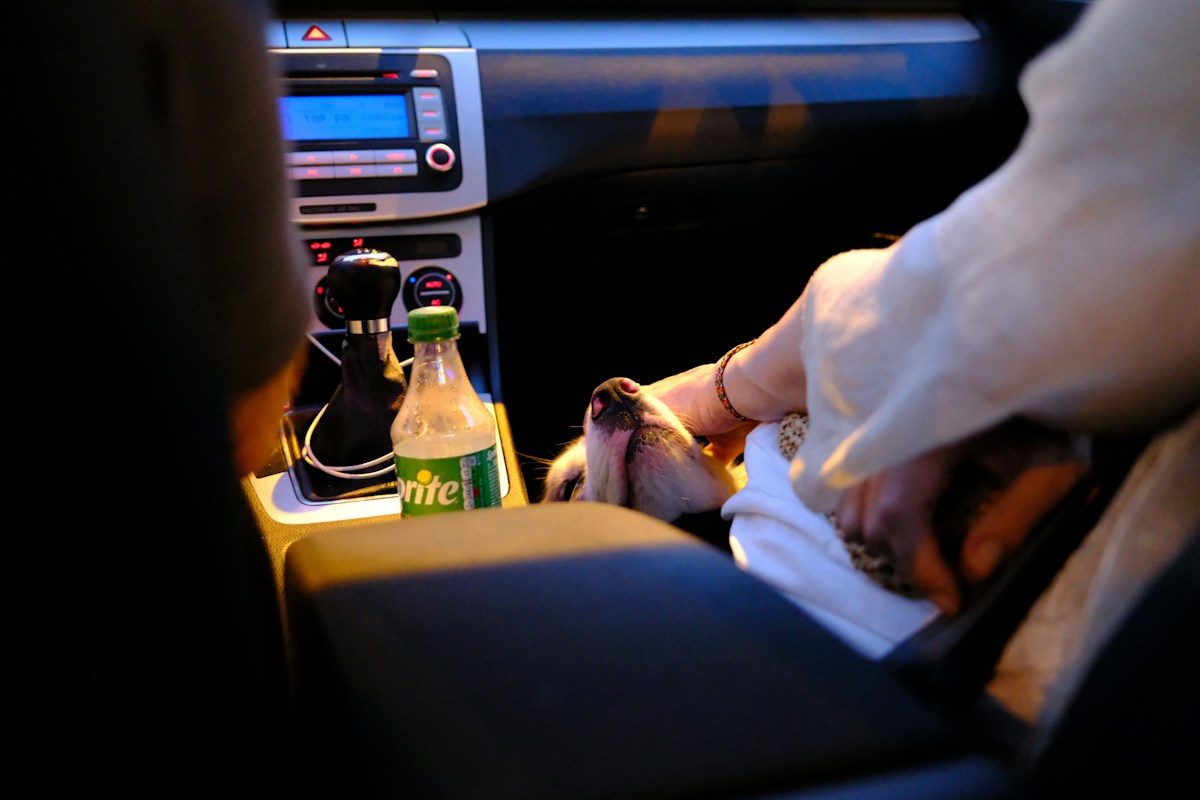
You planned a quick evening drive, an older child’s activity ran long, and now your preschooler is asleep in the car. A late car nap can feel like a no-win choice: wake them and risk a miserable wait, or let them sleep and wonder whether bedtime is now lost.
There is no single right answer. Consider your child’s age, usual nap habits, how long they have slept, their normal bedtime, how much travel or waiting remains, and whether a trusted adult can supervise. If the nap was brief and bedtime is close, gently waking may help protect the usual routine. If your child is truly exhausted and still faces a long wait or drive, a short, supervised rest may be the more workable option.
Key Takeaways
- Wake gently when the nap was brief, bedtime is near, and your child can manage a quiet wait.
- A short, supervised rest may be reasonable when your child is exhausted, still naps regularly, or faces a long wait or trip home.
- Never leave a sleeping child unattended in a vehicle, and do not compromise safe driving, child-restraint use, or supervision.
- After an accidental nap, keep bedtime calm and flexible rather than overhauling the entire schedule.
- Review the routine if late car naps and bedtime struggles become frequent.
Never leave a sleeping child unattended in a vehicle. Do not compromise safe driving, child-restraint use, or supervision to manage the nap. The goal is not a perfect schedule; it is the least disruptive safe choice for this particular evening.
Consider the Child, the Nap, and the Time Left
A late nap can make bedtime harder because your child may have less sleep pressure when the usual bedtime arrives. That does not mean one accidental nap will create a lasting problem. Children respond differently, and an occasional disrupted evening is usually something to handle calmly rather than “fix” dramatically.
Before deciding whether you should wake your child, pause for a quick practical check:
- How old is your child? A younger child who still naps regularly may have a stronger need for daytime sleep than a preschooler who usually skips naps. A child who rarely naps may become especially groggy or irritable after an unexpected sleep.
- How long was the nap? A few minutes of dozing may not affect bedtime as much as a substantial portion of the child’s usual nap. If you are unsure, use your best estimate rather than trying to calculate the perfect answer.
- What is the normal bedtime? If bedtime is close, waking may make sense. If several hours remain, a brief rest may be less disruptive than forcing an exhausted child to stay awake.
- Has your child had an unusually long day? A missed nap, early morning, busy outing, or illness can change the decision. A child who is rubbing their eyes, slumping, crying easily, or struggling to stay awake may need more rest than usual.
- How much waiting or driving remains? A short wait with a calm adult nearby is different from a long sibling activity followed by a lengthy trip home.
- Who can supervise? If you are alone with several children, choose the option that allows you to keep everyone safely supervised. You do not need to entertain every child perfectly, but you do need a realistic plan.
A preschooler who can usually manage a quiet activity may cope well after a gentle wake-up. Another child of the same age may be unable to settle after being disturbed. Your child’s usual pattern is useful information, but it does not have to become a rigid rule.
Decide Whether to Wake or Allow a Short Supervised Nap
Think of the decision as a comparison between two likely outcomes: a tired child who is awake but manageable, or a rested child whose bedtime may shift later. Pick the option that creates the safest and most manageable evening.
Waking may make sense when:
- The nap was brief.
- Bedtime is relatively close.
- Your child generally wakes well from short naps.
- A trusted adult can stay nearby during the remaining wait.
- You have a quiet activity, water, and a familiar snack ready.
- Your child is tired but not so exhausted that waking would create an unmanageable situation.
A short rest may be reasonable when:
- Your child is clearly exhausted after a long or unusually difficult day.
- They still nap regularly.
- The wait or journey home is lengthy.
- Waking would leave you unable to supervise your child safely while managing siblings.
- The child seems unwell or unusually sleepy, in which case their wellbeing matters more than preserving bedtime.
A car nap emergency does not require a perfect solution. If the vehicle is moving, keep your child properly secured according to the restraint instructions. If you arrive somewhere, do not leave the child alone in a parked car, even for a short errand or activity. Once you can stop in a safe setting, handle any transition without rushing or creating a driving hazard. Follow the child-restraint manufacturer’s guidance and applicable safety recommendations.
If a child falls asleep while waiting in a vehicle, active adult supervision is essential. Avoid treating a car seat as a place to leave a child sleeping unattended. If you need to move your child, wait until the vehicle is safely parked and you can do so without leaving other children unsupervised.
Wake a Preschooler Gently and Make the Wait Easier
If you decide to wake your child, make it a gradual transition rather than expecting instant cheerful cooperation. A groggy or tearful response is common after an unexpected nap and does not mean you made the wrong choice.
- Move to a safe, comfortable setting first. If possible, get settled somewhere you can supervise everyone before waking your child. Avoid waking them while you are still driving or distracted by parking, crossing traffic, or gathering several children.
- Use a calm voice and gentle touch. Say their name, explain what is happening, and give them a moment to understand. “You had a little rest. We are going inside to wait for your sister” is often easier to hear than a sudden command to get up.
- Allow a slow reset. Offer a cuddle, help them sit up, and give them time to open their eyes. Keep your expectations low for the first several minutes.
- Offer water. A spill-resistant cup can make this simple. If your child is hungry, offer a small, familiar snack rather than introducing a new food during an already difficult transition.
- Choose a quiet next step. Move directly to a low-pressure activity instead of asking for energetic play or complicated instructions.
Good waiting activities include looking at board books, drawing with washable crayons, using stickers, completing a simple puzzle, sorting cards, or listening to a familiar audiobook. A small activity bag kept in the car or by the door can help on recurring busy evenings.
For a solo parent, make the plan easy to supervise. One child can look at books beside you while another works on stickers. You might say, “We are going to have a quiet wait. You can choose the book or the drawing.” Giving two acceptable choices can reduce arguing without requiring an elaborate activity.
For food, choose something familiar and appropriate for your child’s age and eating abilities. Serve it while your child is seated and supervised, using foods your family already knows they handle comfortably. A small portion of fruit, yogurt, crackers, cheese, or another usual snack may work, depending on your child and your household routine.
Avoid distracted eating while your child is walking around, climbing, or being hurried between activities. Use a spill-resistant cup, keep perishable foods properly chilled, and follow package directions or trusted food-safety guidance for storage. The snack does not need to become a full meal; its job is simply to make the next part of the evening more manageable.
Handle Bedtime After an Accidental Late Nap
After a late car nap, your child may need a slightly later bedtime, but one unusual evening usually does not call for a complete schedule overhaul. Start with the familiar wind-down routine: lower the stimulation, change into pajamas, handle toothbrushing and other hygiene, read a story, and offer calm connection.
Watch your child’s behavior rather than forcing sleep at the exact usual minute. A child who is awake and content may need a little more quiet time before settling. A child who is crying, clumsy, or clearly exhausted may benefit from moving through the routine promptly, even if the nap made the timing less predictable.
Try not to keep your child awake far past bedtime simply to “use up” the nap. That can make the evening harder for everyone. At the same time, do not assume that putting a freshly awakened child straight into bed will work immediately. Keep the lights and activities calm, and allow the evening to be a little flexible.
The next morning, return to the usual wake time and routine as far as practical. Offer normal meals and hydration, get dressed, and continue with the family’s ordinary rhythm. Avoid overcorrecting by creating an unusually early bedtime, an extra-long nap, or a dramatically different schedule unless your child’s needs clearly call for it.
One difficult bedtime after a child fell asleep in the car is not a sign that you have damaged the sleep schedule. Treat it as information about how your child responded, then use that information for the next busy day.
Recognize When Late Car Naps Need a Routine Change
An occasional late car nap is different from a repeated pattern. If evening rides regularly end with your child asleep, bedtime battles happen after most car naps, or your child is difficult to wake in the morning, review the family routine rather than focusing on one evening.
Other reasons to look more closely include a child who consistently seems overtired during the day, has unusual daytime sleepiness, or has ongoing trouble settling at night. Breathing concerns during sleep, persistent sleep difficulties, or changes that worry you are good reasons to discuss the situation with your child’s clinician. One nap alone cannot diagnose a sleep or health problem.
Practical routine changes may include:
- Scheduling errands earlier when possible.
- Leaving time for a snack and quiet activity before the usual nap window.
- Keeping car rides gently engaging when you want your child to stay awake, without using unsafe distractions for the driver.
- Carrying water, a familiar snack, books, stickers, and a small activity kit.
- Protecting a predictable wind-down routine on busy days.
- Asking another trusted adult to supervise one child when a sibling’s activity creates a long wait.
If your child still needs a regular nap, build the day around that need when you can. If they are gradually outgrowing naps, expect some uneven evenings while you learn which quiet breaks work best. The aim is a flexible preschooler sleep schedule that supports your real family life, not a routine that works only on perfectly timed days.
Frequently Asked Questions
Should I wake my child if they fall asleep in the car before bedtime?
It depends on the nap, your child’s age and usual nap habits, the time left before bedtime, and the supervision available. Wake gently if the nap was brief and bedtime is close. A short, supervised rest may be more practical if your child is exhausted and still faces a long wait or trip. Never leave a sleeping child unattended in a vehicle.
How late can a preschooler nap without ruining bedtime?
There is no universal cutoff that works for every preschooler. A brief nap may have little effect for one child and delay sleep noticeably for another. Consider the child’s usual bedtime, whether they still nap, how long they slept, and how they behave during the evening. One disrupted bedtime does not usually require a major schedule change.
What should my child eat or drink after waking from a late car nap?
Offer water and, if needed, a small familiar snack that suits your child’s age and eating abilities. Serve it while they are seated and supervised, and avoid foods that are difficult for them to manage while groggy or distracted. Keep perishable foods properly chilled and follow package directions or trusted food-safety guidance.
A late car nap is an awkward parenting moment, not a test you can fail. Make the safest realistic choice, keep the transition gentle, and return to your normal rhythm when the evening is over.