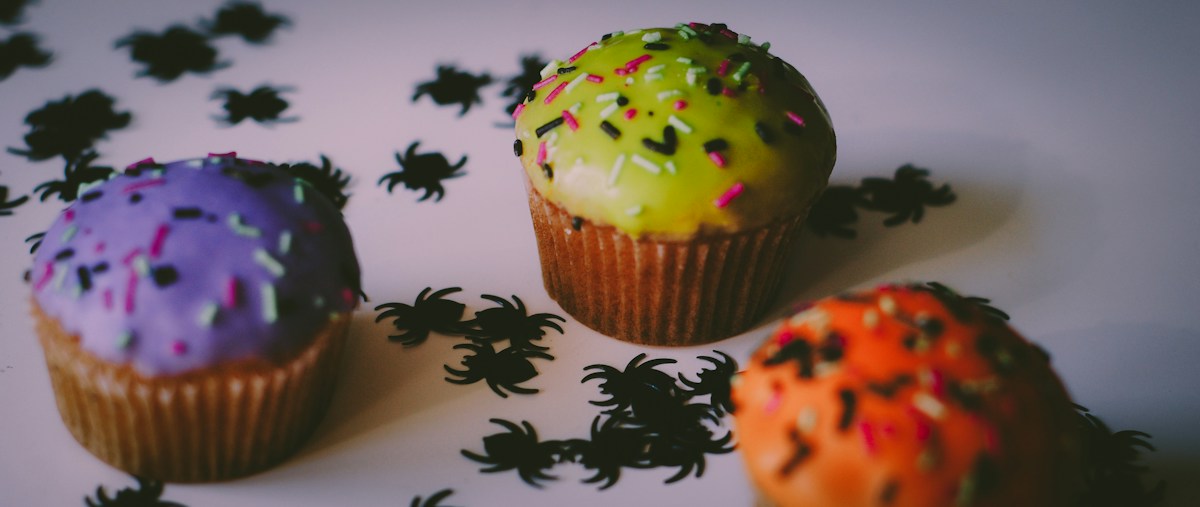
You set a tray of cupcakes on the counter, turn away for a moment, and suddenly there appears to be a glossy little roach crawling across the frosting. That is the Halloween joke: the decoration looks startlingly creepy, but the cupcake underneath is still soft, sweet, and inviting.
The easiest cockroach cupcakes start with ordinary chocolate, vanilla, or pumpkin cupcakes and a moderately firm frosting. Add an edible body, six simple legs, and two antennae, then decide whether you want a realistic bug or a cartoon character. No specialist cake-decorating equipment is necessary, and every visible part can be made from food.
Key Takeaways
- Use completely cooled cupcakes and moderately firm frosting so decorations stay in place.
- Build the body from a date, set chocolate, candy, or piped frosting, then add six legs and two antennae.
- Choose dark colors for a lifelike effect or bright frosting and candy eyes for a friendlier design.
- Use only clearly edible decorations and check labels for allergens before serving.
- Store and transport the cupcakes according to the frosting and toppings you actually use.
Choose the cupcake base and frosting
Pick a flavor that sounds delicious before you think about the decoration. Chocolate cupcakes are an obvious match for chocolate cockroaches, while vanilla gives dark decorations strong contrast. Pumpkin cupcakes bring a warm autumn flavor and look especially effective beneath dark brown bodies.
For a balanced chocolate cockroach cupcake, try chocolate cake with vanilla or chocolate frosting. The first combination makes the bug stand out; the second lets it blend into a shadowy, more realistic background. Vanilla cake with chocolate frosting is another useful middle ground because the cupcake remains familiar while the topping supplies the Halloween drama.
The cupcake must be completely cool before decorating. Warm cake can soften frosting, and a warm surface makes small chocolate pieces more likely to slide. If you bake the cupcakes ahead, let them cool fully, then keep them covered until you are ready to frost them.
A moderately firm buttercream is usually the easiest support for small decorations. It can hold a date, candy, or chocolate body without immediately losing its shape. Pipe or spread enough frosting to create a gently rounded surface, but avoid an extremely tall swirl if you plan to lay the bug across the top.
Cream cheese frosting can be delicious with pumpkin or spice cupcakes, but it needs more careful handling. Because it contains perishable ingredients, keep finished cupcakes chilled as appropriate and follow current food-safety guidance for the recipe and serving conditions. It may also be softer than buttercream, so a flatter, cartoon-style bug is often easier to secure.
Frosting color changes the mood. Dark brown or nearly black frosting creates a camouflaged, lifelike effect. Orange, purple, or green frosting makes the cupcakes feel more playful and helps guests recognize the design as a Halloween decoration rather than a startling imitation of a real insect.
Build the edible cockroach body
The body is the feature that makes the decoration recognizable. Aim for an elongated oval with a smaller head at one end, rather than a round chocolate blob. A useful visual proportion is a body about two to three times as long as the head, with the wider abdomen tapering slightly toward the rear.
Option 1: Use a chocolate-coated date
A pitted date makes a convenient edible body because it is naturally oval, chewy, and often glossy. Choose a date size that fits comfortably on the cupcake without covering all the frosting. If it has a very wrinkled surface, smooth it with a thin coating of melted chocolate, or leave the texture visible for a more exaggerated Halloween look.
For a darker shell, coat the date in melted chocolate and place it on baking paper until the coating is set. Let the chocolate cool and firm enough before moving the body onto the cupcake. You can also use a small chocolate piece for the head or pipe a dark icing head directly beside the date.
Dates vary in softness and sweetness, and packaged products can have different handling instructions. Check the label for pits, ingredients, and allergens, especially when serving people with dietary restrictions.
Option 2: Shape a chocolate body
Melt chocolate carefully, then spoon or pipe it into simple elongated ovals on baking paper. Make the rear section wider than the front and add a faint line down the center while the chocolate is still soft. Once set, the pieces can be lifted and placed on the frosting.
You do not need a mold. A piping bag, a small food-safe bag with the corner snipped, or the back of a spoon can create a convincing shape. Make several spare bodies because thin chocolate edges can break while you are decorating.
A small ridge or streak of lighter chocolate adds dimension. You can also brush on a tiny amount of edible shimmer, but use a product clearly sold as edible food decoration and follow its package directions. The goal is a subtle shell-like shine, not a dusty coating that makes the cupcake look artificial.
Option 3: Use candy or piped frosting
For the quickest version, choose an elongated chocolate candy, a chocolate-covered confection, or another clearly edible piece with a smooth oval shape. If the candy is too round, pair it with a smaller piece for the head and rely on the legs and antennae to establish the insect shape.
Piped dark frosting is the softest and most cartoon-like option. Pipe a plump oval directly onto the cupcake, add a smaller round head, and finish with simple lines across the back. This approach is especially useful when younger guests or hesitant eaters may prefer a friendly Halloween bug rather than a highly realistic one.
Attach a separate body with a small dab of frosting. Melted chocolate can also act as edible glue, but allow it to cool enough that it will not soften or damage the frosting underneath. Press gently and give the body a moment to settle before adding the legs.
Add legs, antennae, and creepy details
A cockroach reads clearly when it has six visible legs: three on each side of the body. They do not need to be anatomically precise. The front pair can angle forward, the middle pair can point outward, and the rear pair can angle slightly backward.
The simplest legs are thin lines of piped chocolate or dark icing. Pipe them onto baking paper, let them firm, and transfer them with a small spatula or the tip of a knife. Make them a little thicker than you first expect; ultra-thin chocolate looks delicate but tends to snap during assembly.
You can also use narrow chocolate sprinkles or small decorative candy pieces if they are long enough to suggest legs. Fruit leather cut into thin strips is another possible choice when the product is clearly edible and suits the flavor. Cut it with clean kitchen scissors or a small knife, and avoid pieces so long that they hang beyond the cupcake liner.
Antennae can be made in the same way as the legs, but they should be slightly longer and curve forward from the head. Two short chocolate lines are enough. For an easy cartoon version, use two tiny dark icing strokes instead of separate pieces.
Add a candy eye to each side of the head for a friendlier result. For a more realistic design, skip the eyes and use a thin line of lighter chocolate along the shell. A small highlight on the body can make it look glossy, while a few piped lines across the abdomen create useful visual definition.
Use only decorations sold or intended for eating. Do not use wire, real insect parts, toothpicks, plastic craft pieces, or any support that could be mistaken for food. If a non-edible item is needed for packaging or transport, keep it separate from the cake and remove it before serving.
Check the labels of chocolate, candy, dates, frosting, and decorative products for allergens and dietary ingredients. Depending on the selections, the cupcakes may involve dairy, gluten, nuts, gelatin, soy, or other ingredients. Do not describe any particular decoration as universally allergen-free.
Make a batch that looks creepy but still appetizing
Before decorating the whole tray, create one test cupcake. Place the body at a slight diagonal rather than perfectly straight across the center. The diagonal position gives the bug a sense of movement and leaves enough frosting visible for a clean, appealing presentation.
Use a consistent plan for the batch: the same body scale, six legs, two antennae, and a similar angle on each cupcake. Consistency makes the work faster because you can prepare decorations assembly-line style. It also prevents some cupcakes from looking like beetles, spiders, or abstract chocolate shapes.
If the design looks more like an ordinary beetle, lengthen the body, make the head distinct, and add forward-pointing antennae. A cockroach-like silhouette depends more on the elongated shape and leg arrangement than on tiny details.
For a party with mixed tastes, make only some cupcakes highly realistic. Use dark chocolate cockroach cupcakes as the surprise pieces and decorate the rest with friendly chocolate bugs, candy pumpkins, or piped orange-and-black details. Guests can choose the level of creepiness they find appealing.
The flavor and presentation should do some of the appetizing work. Use clean liners, smooth frosting, and a pleasant cake flavor. A small sign such as “All decorations are edible” can reassure guests who are unsure whether the bugs are made from candy or craft materials.
Here are quick fixes for common decorating problems:
- The body slides: Use a smaller decoration, flatten the frosting slightly, or chill the frosted cupcake briefly before attaching the body. The best adjustment depends on the frosting recipe and kitchen conditions.
- The legs break: Make them a little thicker, shorten them, or attach them after the body is secure. Prepare extras before you begin.
- The frosting loses its definition: Work in smaller batches and keep the cupcakes away from excessive warmth. A softer frosting may need more chilling or a simpler decoration.
- The body sinks: Reduce the size or weight of the topper and use a firmer frosting base.
- The bug looks too realistic: Add candy eyes, colorful frosting, or a smile-shaped icing detail. Bright colors quickly shift the design from unsettling to cartoonish.
Transport, storage, and serving
Decorate as close to serving time as practical when the cupcakes have fragile chocolate legs, soft frosting, or glossy toppings. Humidity, kitchen warmth, and the specific recipe can change how well details hold.
For transport, use a snug cupcake carrier or a tall box with a secure base. Check that the lid cannot touch the antennae or the top of the body. Avoid stacking cupcakes, and keep the container away from direct sunlight and sources of heat during the journey.
Storage depends on the frosting and toppings. Shelf-stable buttercream with chocolate or candy decorations may be handled differently from cream cheese frosting, fresh fruit, or other perishable ingredients. For perishable versions, keep the cupcakes chilled as appropriate and use current food-safety guidance for the recipe, storage container, and serving conditions. Let the cupcakes reach a pleasant eating texture only when suitable for that particular frosting.
If you are making the cupcakes ahead, bake the cakes and prepare the chocolate bodies separately. Store the undecorated cupcakes covered, and keep prepared decorations protected from moisture and breakage. Assemble the legs and antennae later if they are especially delicate.
For an office treat, place the cupcakes in a single layer and label common allergens. At a Halloween party, set them on a dark platter with orange napkins for contrast. For a trick-or-treat gathering, a cartoonish version with candy eyes and bright frosting may be more inviting, especially for children; supervise young helpers and keep decoration tasks age-appropriate.
Tell guests that the visible bug parts are edible, but do not assume everyone will want the most realistic design. Offering a mixture of lifelike and friendly decorations lets the joke land without making anyone feel pressured to eat a cupcake that looks too convincing.
FAQ
Can I make cockroach cupcakes without using dates?
Yes. Use a set chocolate oval, an elongated chocolate candy, or a body piped from dark frosting. Dates are convenient because their shape and glossy surface suggest a bug body, but they are not essential. Choose the option that best matches your guests’ tastes and dietary requirements.
How do I keep the chocolate legs and antennae from breaking?
Make them slightly thicker, prepare extras, and allow them to set fully before handling. Attach them after the body is secured, using tiny dabs of frosting if needed. Store and transport the finished cupcakes so the lid cannot touch the decorations.
How far ahead can I decorate and store Halloween cockroach cupcakes?
The answer depends on the frosting, cake, toppings, and kitchen conditions. You can reduce last-minute work by baking the cupcakes and preparing the chocolate bodies separately, then add fragile legs and antennae nearer to serving. Cream cheese frosting, fresh fruit, and other perishable toppings require more careful chilling and storage than a suitable buttercream with candy decorations. Follow current food-safety guidance for the ingredients you actually use.