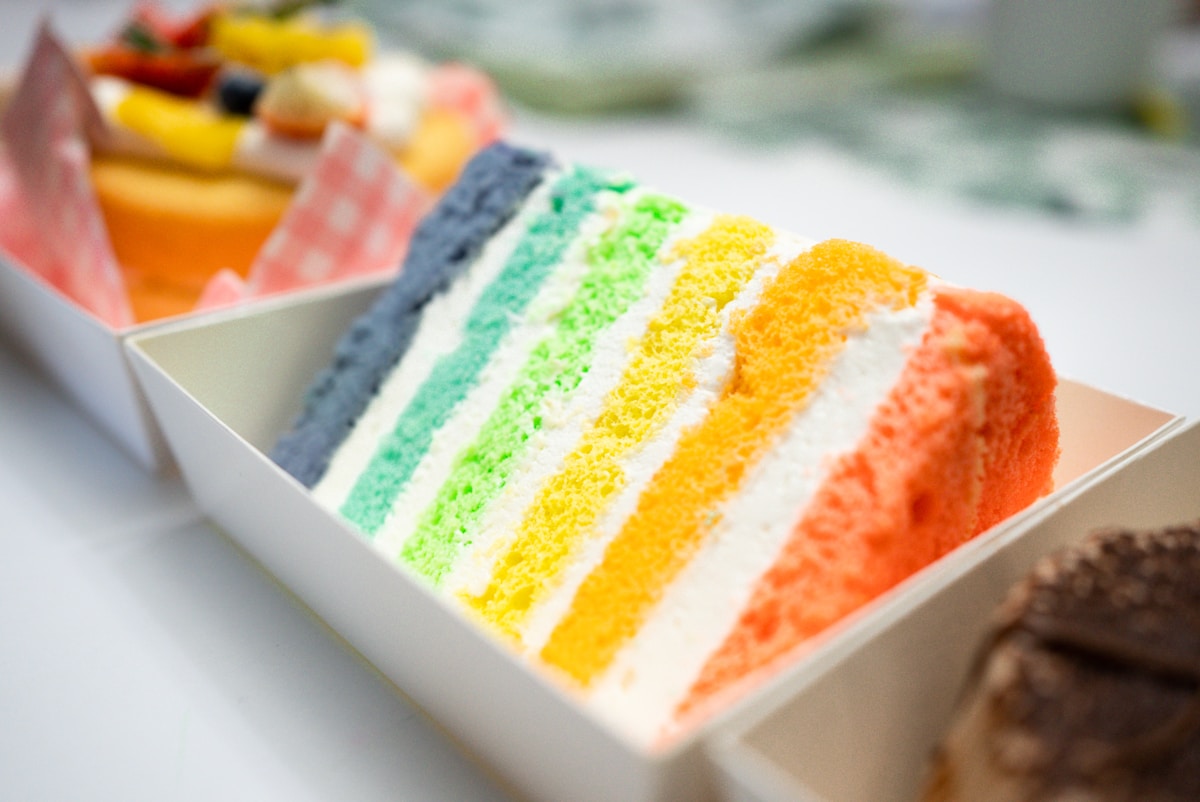
You stand in the kitchen, mixing bowl in one hand, a bag of rainbow sprinkles in the other. The party is tomorrow, and you want a cake that looks festive on the outside and holds a secret on the inside. A funfetti gender reveal cake is the answer. The key is a reliable white velvet cake base that gives you a dense, moist crumb, studded with sprinkles, and a hidden pink or blue center that only appears when the knife goes in. Here is how to make it work at home.
Key Takeaways
- Use a white velvet cake base for a dense, moist crumb that can support stacked layers and a hidden filling.
- Toss sprinkles in flour before folding them into the batter to prevent sinking and color bleeding.
- Create the hidden gender reveal center by either tinting a portion of the batter or using a colored filling between layers.
- Ermine frosting (flour buttercream) offers stability and balanced sweetness, ideal for piping and stacking.
- Adjust baking times and temperatures based on pan size, and rely on the toothpick test and internal temperature of about 210°F.
Why White Velvet Cake Is the Best Base for a Funfetti Gender Reveal Cake
White velvet cake is not the same as a standard white cake. It uses cake flour, egg whites, and buttermilk, which creates a fine, velvety crumb that is dense enough to support thick frosting and a hidden filling. The neutral vanilla flavor lets the colorful sprinkles and the gender-reveal tint take center stage.
Compared to other white cake recipes, a white velvet cake has more structure. Cakes made with whole eggs or butter alone can be too tender and may sag under the weight of layered frosting. A white velvet cake holds its shape while staying moist. If you have used a classic white cake before and found it dry, this style of cake is more forgiving.
For the best results, use cake flour (not all-purpose) and separate your eggs. The whites are beaten to stiff peaks and folded in, which adds lift without weakening the crumb. Buttermilk adds tanginess and helps the cake stay tender. This combination gives you the dense yet moist interior you need for a funfetti cake that can be stacked and sliced cleanly.
How to Incorporate Sprinkles Without Sinking or Bleeding Color
Sprinkles are the soul of a funfetti cake, but they can be tricky. They often sink to the bottom of the batter or bleed their color into the surrounding cake, turning the crumb gray or streaky.
To prevent sinking, toss the sprinkles in a tablespoon of the cake flour (taken from the total amount in your recipe) before adding them to the batter. The flour coating helps the sprinkles stay suspended. Then fold them in gently with a spatula, using as few strokes as possible.
The type of sprinkle matters. Use jimmies — the long, cylindrical sprinkles. They hold their shape and color during baking. Avoid nonpareils (the tiny round balls) because they tend to dissolve or bleed. Confetti-shaped sprinkles can also work if they are sturdy, but test a small batch first.
Fold the sprinkles in just after you have combined the wet and dry ingredients. Overmixing at this stage can cause the sprinkles to smear and create streaks. You want a uniform distribution of colorful dots throughout the batter.
Pan Size, Shape, and Baking Time Adjustments
A standard funfetti gender reveal cake is often baked in two or three 8-inch round pans that are at least 2 inches deep. However, you may want to use a different pan shape, such as a star-shaped pan or a 10-inch round. The baking time will change.
If you use a pan that is shallower than 2 inches, the batter may overflow. One home baker on Reddit shared that their 8-inch pans were too shallow, so they switched to a star pan and a 10-inch round to get enough depth. As a rule, fill the pan only half to two-thirds full. If you have leftover batter, bake it as cupcakes and test the flavor.
For pan size adjustments, keep these general guidelines in mind:
- 8-inch round pans (2 inches deep): 25–30 minutes at 350°F
- 10-inch round pan: 30–40 minutes at 350°F
- Star pan or other shaped pan: start checking at 25 minutes
Always rely on a toothpick test. Insert a wooden pick into the center; it should come out clean or with a few moist crumbs. An internal temperature of about 210°F is another reliable indicator that the cake is done. Ovens vary, so check a few minutes before the suggested time.
If you substitute lemon juice for lemon powder (as in some white velvet cake recipes), know that lemon juice adds liquid. A common ratio is 1 teaspoon of lemon juice for every 1/4 teaspoon of lemon powder, but you may need to reduce another liquid in the recipe by a tablespoon or two to keep the batter from becoming too thin. Adjust gradually.
Achieving the Hidden Color Middle for the Gender Reveal
The magic of a gender reveal cake is the hidden pink or blue interior. You have two reliable ways to create that surprise.
Option 1: Tinted batter layer. Divide your batter into two parts: about two-thirds plain and one-third tinted with pink or blue gel food coloring. Pour half of the plain batter into the prepared pan, then spoon the colored batter down the center in a line or circle, and top with the remaining plain batter. Gently spread it level. When baked and sliced, the colored batter forms a distinct stripe or core in the middle.
Option 2: Hidden filling between layers. Bake two or three layers of plain funfetti cake. Once cooled, fill the layers with a colored buttercream or pastry cream. Use a piping bag to pipe a ring of frosting around the edge of each layer, then fill the center with the colored cream. This creates a hidden pocket that reveals the gender when you cut the cake.
For a clean reveal, refrigerate the assembled cake for at least one hour before slicing. Use a sharp, serrated knife and cut with a gentle sawing motion. Chill the cake between cuts if the frosting starts to smear.
Frosting Recommendation: Ermine Frosting for Stability and Balanced Sweetness
Ermine frosting, also known as flour buttercream, is a classic choice for a funfetti gender reveal cake. It starts with a cooked flour-and-milk paste that is whipped with butter and sugar. The result is a stable, pipe-able frosting that is not overly sweet. It holds up well in stacked cakes and does not slide off the layers.
Other good options include Swiss meringue buttercream, which is silky and less sweet than American buttercream, and cream cheese frosting, which adds tang. If you use cream cheese frosting, keep the cake refrigerated because the dairy is perishable. Serve at room temperature for the best flavor, but do not leave it out for more than two hours.
To tint the frosting for a drip or swirl, use gel food coloring. It is concentrated and will not thin the frosting like liquid dye can. For a drip effect, prepare a white chocolate ganache (melted white chocolate mixed with a little cream) and tint it pink or blue. Pour it over the chilled cake and let it run down the sides naturally.
Decorative Ideas: Sprinkles, Drip, and Toppers
Once your cake is frosted, it is time to dress it up. Press sprinkles onto the sides of the cake while the frosting is still soft. Hold a handful of sprinkles and gently pat them against the sides, letting the excess fall onto a tray. Repeat until the sides are coated to your liking.
A drip effect adds elegance. Pour the colored ganache from a spoon over the top edge of the cake, allowing it to drip down. If you want a neater line, use a squeeze bottle. Let the drip set before adding any toppers.
For gender reveal toppers, keep it simple. A small sign that says “It’s a boy!” or “It’s a girl!” in matching colors works well. You can also use plastic baby items, but make sure they are food-safe and remove them before slicing. Avoid anything that could break into small pieces or leach dye.
Frequently Asked Questions
Can I use a boxed cake mix for a funfetti gender reveal cake?
Yes. Choose a white or vanilla boxed mix. Add the sprinkles as described (tossed in flour) and bake according to the package directions. For the hidden colored center, you can tint a portion of the prepared batter with gel food coloring and layer it in the middle. Boxed mixes tend to be less dense than white velvet from scratch, so be careful when stacking multiple layers. Consider using a stable buttercream for support.
How do I keep the cake moist when using a larger or unusually shaped pan?
Larger pans spread the batter thinner, which can lead to dryness. To compensate, reduce the baking temperature by 25°F and extend the baking time. Check for doneness early. You can also brush each layer with a simple syrup (equal parts sugar and water) after baking to lock in moisture. Wrap the layers in plastic wrap while they cool to trap steam.
How far in advance can I assemble the cake, and what is the best way to store it?
You can bake the cake layers up to two days ahead. Wrap them tightly in plastic wrap and store at room temperature. Frost and assemble the cake no more than one day before serving. Store the finished cake in the refrigerator if it has cream cheese or custard filling; otherwise, a cool room is fine for up to 24 hours. Bring refrigerated cakes to room temperature for about 30 minutes before serving for the best texture and flavor.