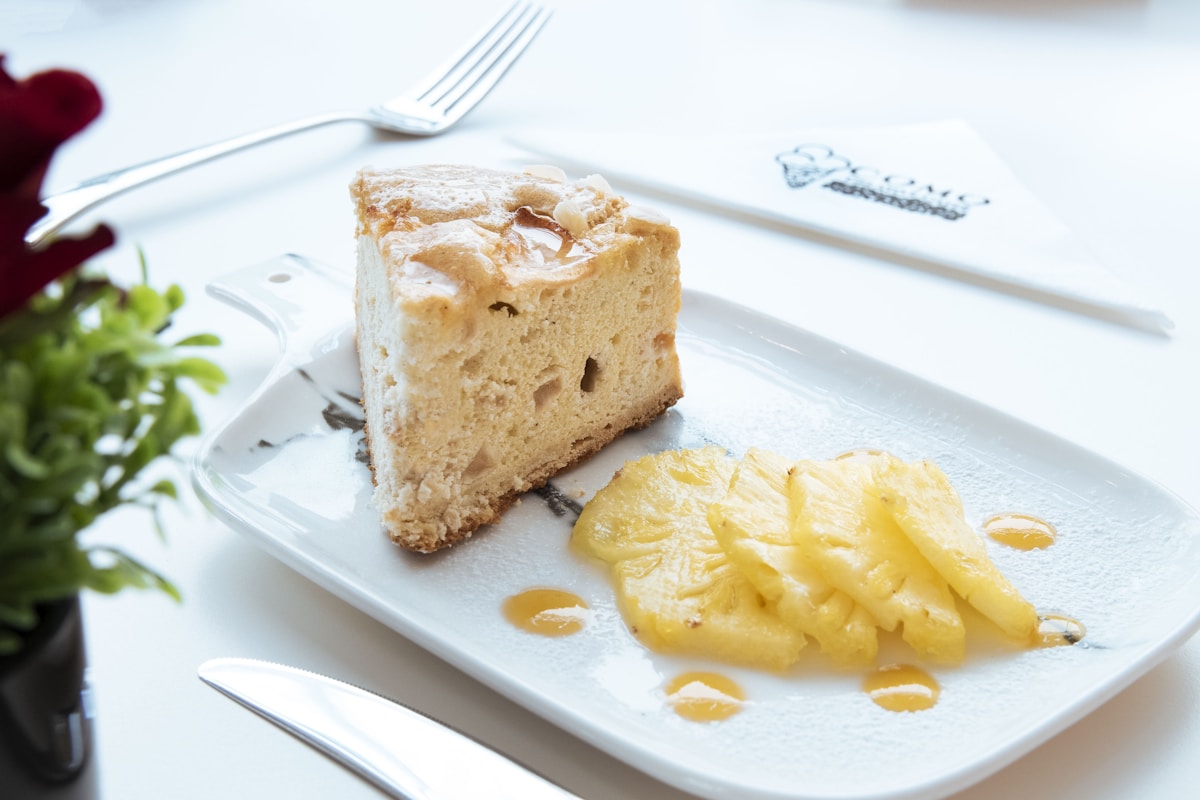
Have you ever stood in the produce aisle, eager to bake a classic fraisier cake, only to find the strawberries pale, mealy, or just not in season? It is a frustrating moment for any home baker. You want that bright, tangy elegance layered between delicate génoise and silky crème mousseline, but the star fruit just isn’t cooperating. I have certainly been there. And that is exactly why a recent Reddit adaptation caught my eye: a baker swapped strawberries for fresh pineapple. The result? A tropical twist that actually works beautifully. Let me walk you through how to do it right, because this isn’t just a substitution — it is a whole new way to enjoy the spirit of fraisier.
What Makes a Fraisier a Fraisier
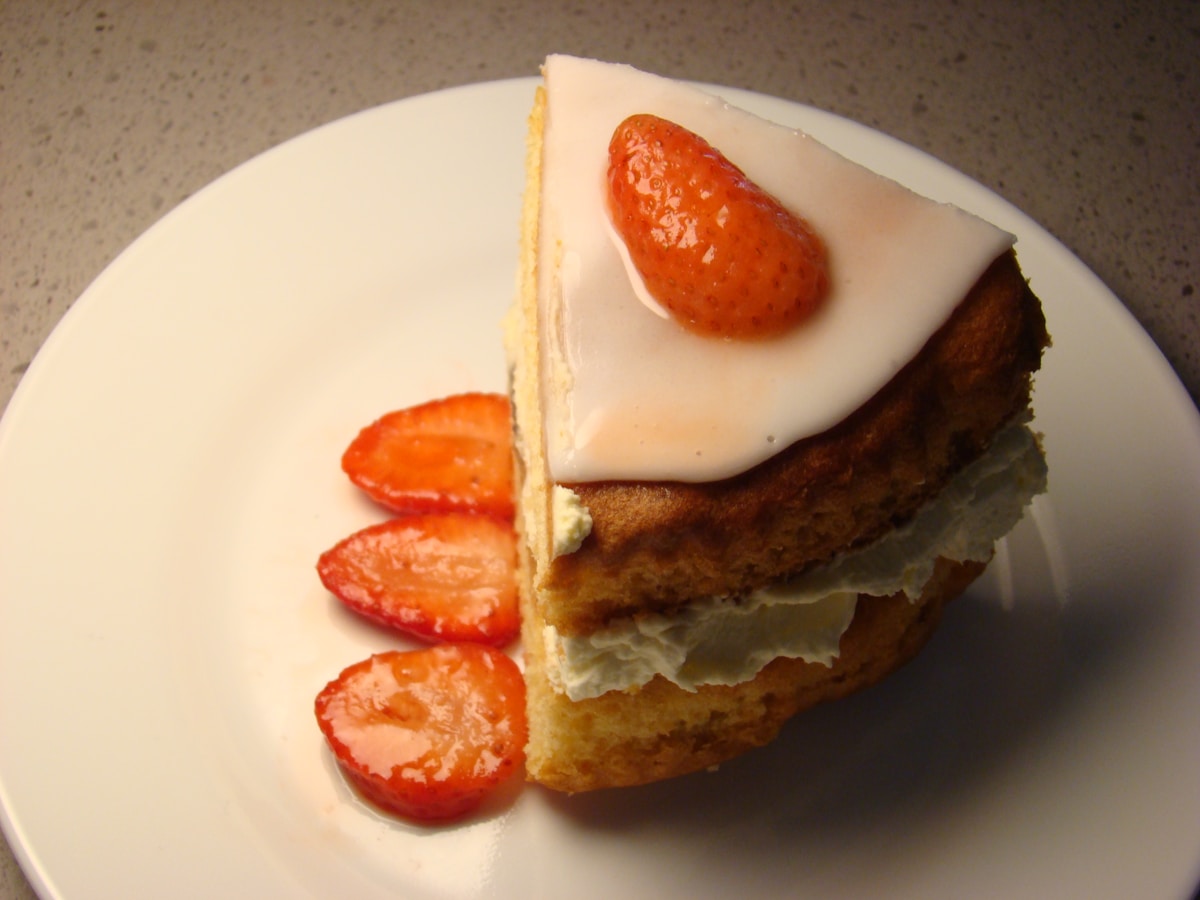
To understand why pineapple can work, you first need to know what a classic fraisier is. At its heart, it is a French cake that celebrates strawberries. The name “fraisier” comes from “fraise,” the French word for strawberry. The traditional build includes a light vanilla sponge (génoise), a rich pastry cream enriched with butter (crème mousseline), and fresh strawberries halved or sliced and arranged around the sides and between layers. The cake is often topped with a thin layer of almond paste or a mirror glaze. The magic lies in the contrast: the airy sponge soaks up just enough syrup (often strawberry or vanilla), the creamy mousseline provides richness, and the strawberries cut through it all with their bright acidity and juicy texture. That acidity is essential — it prevents the dessert from feeling overly heavy or sweet.
Why Pineapple Works Surprisingly Well
Pineapple might seem like an oddball replacement, but it shares a key trait with strawberries: natural tartness. While pineapple is sweeter than most strawberries, it also contains bromelain, an enzyme that provides a distinct tang. When paired with a vanilla génoise and crème mousseline, that acidity mirrors the role of strawberries, balancing the richness. The texture is different, of course — pineapple is firmer and less delicate — but that can actually be an advantage. It holds its shape better when sliced, making it easier to line the sides of a cake mold without collapsing.
Of course, there is a catch. Pineapple is much juicier than strawberries. If you just toss fresh pineapple rings into the batter, your cake will turn into a soggy mess. The Reddit baker who inspired this article knew that. They used fresh pineapple, not canned (canned is often packed in syrup and even wetter), sliced it thin, and patted each slice dry with paper towels before assembling. That step is non-negotiable. You want the pineapple to release its flavor without releasing its water. A quick tip: after slicing, lay the pieces on a clean kitchen towel, sprinkle with a tiny pinch of salt, let them sit for five minutes, then blot. The salt draws out excess moisture without making the fruit taste salty. (Yes, really — it works, and you won’t taste the salt in the final cake.)
Step-by-Step: Building a Pineapple Fraisier
Ready to try it yourself? Let’s break down the process. First, bake your génoise. A classic génoise uses eggs, sugar, flour, and melted butter. Whisk the eggs and sugar over a double boiler until warm (about 110°F/43°C), then whip until thick and pale. Fold in sifted flour gently, then fold in melted butter. Bake in a greased and floured 8-inch round pan at 350°F (175°C) for about 25 minutes. Let it cool completely. While it cools, make the crème mousseline. This is essentially pastry cream with butter beaten in. Start with a standard pastry cream: heat 2 cups whole milk with a scraped vanilla bean, whisk 5 egg yolks with 1/2 cup sugar, add 1/3 cup cornstarch, then slowly pour the hot milk in while whisking. Return to the stove and cook until it thickens and bubbles. Remove from heat, stir in 2 tablespoons cold butter, then let it cool. Once cool, beat in another 1/2 cup softened butter until smooth and fluffy. (A stand mixer with paddle attachment works perfectly.)
Now, the pineapple. Select a ripe pineapple: it should smell sweet at the base, have a slight give when squeezed, and the leaves should pull out easily. Peel, core, and slice into thin rounds, about 1/4-inch thick. Blot them dry as described. Optional but highly recommended: grill the pineapple slices on a hot griddle or grill pan for about 2 minutes per side until they get grill marks and a light caramelization. This deepens the flavor and drives off even more moisture. (Your future self will thank you.) Let the grilled slices cool.
To assemble, slice your génoise horizontally into two or three layers. Place the bottom layer on a serving plate or in a springform pan with a cake ring. Brush it lightly with a vanilla simple syrup (equal parts water and sugar, simmered with vanilla extract). Spread a thin layer of mousseline over the sponge. Arrange a single layer of pineapple slices on top, overlapping slightly. Spread another layer of mousseline to cover the pineapple completely. Add the next sponge layer, brush with syrup, repeat the process. If you want the sides to show fruit, line the inside of a cake ring with pineapple slices vertically before adding the sponge — just make sure the slices are patted dry and stand upright. Finally, cover the top with mousseline and smooth it. Chill the cake for at least 4 hours (overnight is better) to set before unmolding.
More Seasonal Swaps: Mango, Peaches, and Beyond
This technique is not limited to pineapple. The Fraisier is essentially a template for any fruit that brings acidity and a firm texture. Once strawberries are out of season, think about mangoes (choose slightly underripe for more tartness), peaches or nectarines (grill them too for extra flavor), even plums or apricots. The key remains the same: slice thin, remove excess moisture, and avoid overly sweet or mushy varieties. For berries like raspberries or blackberries, you might need to leave them whole and handle gently, but they work wonderfully as a top layer. One Reddit commenter suggested using passion fruit pulp spread between layers for an even more tropical kick. That would be incredible.
Final Thoughts: Embrace the Season
The beauty of a fraisier is that it is not a rigid recipe — it is a celebration of fruit. By adapting the fruit to what is fresh and local, you honor the original spirit of the cake. Using pineapple instead of strawberries doesn’t make it a lesser dessert; it makes it a creative one. Your guests will be intrigued by the familiar structure and surprised by the tropical filling. And you will feel a little smug knowing you turned a seasonal limitation into a delicious innovation. So next time the strawberries look sad, grab a pineapple, a handful of mangoes, or a bag of peaches. Your kitchen is a magic place — and sometimes the best magic happens when you break the “rules.”