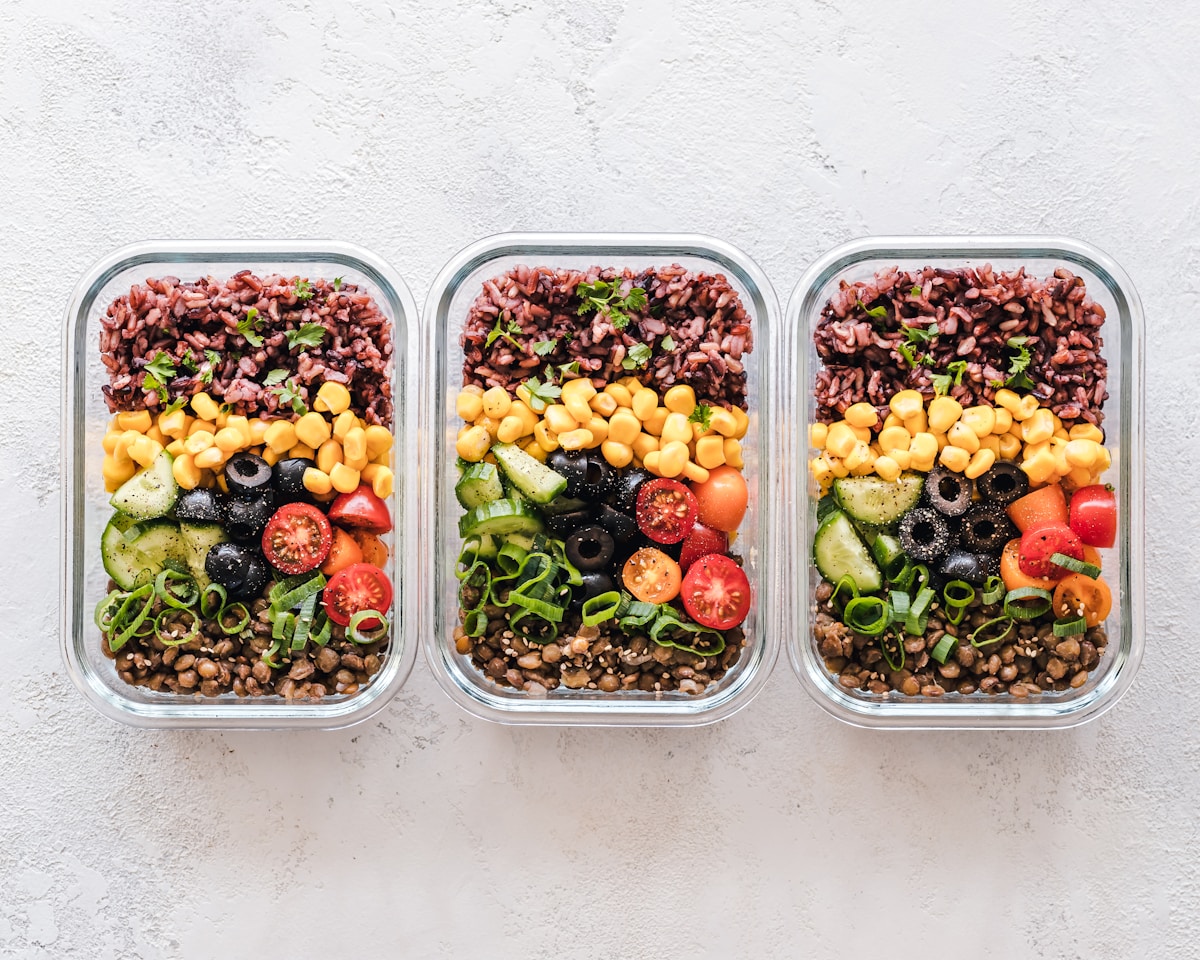
A big pot of chili can rescue a busy week: serve it in a bowl one night, spoon it over fries the next, and turn it into nachos when everyone wants something different. The good news is that chili is not the only food that works this way.
The best versatile leftover meals begin with a flexible base. Shredded chicken, beans, lentils, roasted vegetables, cooked grains, and pulled meat can all become several distinct dinners with a few fresh ingredients and a different sauce. For most families, lightly seasoned shredded chicken or beans offer the best balance of cost, ease, and variety.
Key Takeaways
- Choose a base with mild seasoning, enough moisture, and a texture that works in several meal formats.
- Lightly seasoned shredded chicken or turkey is the most adaptable all-purpose option.
- Beans, lentils, grains, and seasonal vegetables provide budget-friendly variety.
- Change the sauce, vessel, temperature, and toppings—not just the garnish—to avoid leftover fatigue.
- Portion and label leftovers, keep crunchy ingredients separate, and follow current food-safety guidance for cooling, storage, thawing, and reheating.
What makes a good make-ahead meal base?
Chili succeeds as a leftover because it has moisture, a soft texture, and enough flavor to be satisfying without locking you into one serving style. It works beside rice, pasta, cornbread, tortillas, potatoes, or crunchy toppings. A useful alternative needs many of the same qualities.
Look for a base that is:
- Mildly or flexibly seasoned, so it can move toward Mexican-inspired, Mediterranean, barbecue, curry-style, or herby flavors.
- Moist enough to reheat without becoming tough or dry.
- Easy to portion into bowls, wraps, sandwiches, pasta dishes, or baked meals.
- Affordable enough to prepare in a useful batch.
- Simple to store separately from sauces, bread, greens, cheese, and crunchy toppings.
A practical comparison is to rate each option for flavor flexibility, cost, family appeal, preparation effort, and freezer practicality. Beans often lead on budget, shredded chicken on versatility, cooked grains on speed, and saucy meats on bold flavor. Roasted vegetables add color and variety, but they may lose some crispness after freezing and reheating.
Before cooking, choose two or three different formats for the week. For example, plan chicken tacos, chicken soup, and a baked pasta dish rather than serving chicken in three similar bowls. This simple step helps prevent mealtime fatigue.
Shredded chicken or turkey is the closest all-purpose substitute
Plainly seasoned shredded chicken or turkey is one of the most adaptable make-ahead meal bases. Use salt and gentle herbs or aromatics rather than a strong finishing sauce, then change the flavor when you assemble each meal. Dark meat often stays more tender, while breast meat works well when combined with broth, sauce, or a creamy dressing.
One batch can become:
- Tacos or quesadillas with salsa, cheese, avocado, or shredded lettuce.
- Burrito bowls with rice, beans, corn, and a lime-based dressing.
- Soup with broth, noodles or rice, carrots, and peas.
- Sandwiches or wraps with a new spread, sliced vegetables, and greens.
- Grain bowls with roasted vegetables and a yogurt, tahini, or herb sauce.
- Pasta, pot pie filling, or a baked casserole with a moist sauce.
To make the meals taste genuinely different, change more than the topping. Put chicken in tortillas with salsa for one dinner, simmer it with broth and noodles for another, and combine it with pasta and a creamy or tomato-based sauce later in the week. The vessel, sauce, and texture should all shift.
Keep tortillas, bread, greens, sliced vegetables, fresh herbs, cheese, and crunchy toppings separate until serving. Store chicken with enough broth or sauce to protect its texture, but do not mix it with lettuce or toasted crumbs. If a wrap must be packed ahead, place a moisture barrier such as cheese or a sturdy spread between the filling and bread, and assemble it as close to mealtime as practical.
For safety, cool cooked poultry promptly in shallow containers and follow current food-safety guidance for refrigeration, freezing, thawing, and reheating. Divide a large batch before chilling rather than leaving it in one deep, hot container. Reheat portions until hot throughout, stirring or rotating when appropriate so the center is not cold.
Beans, lentils, and saucy vegetables offer budget-friendly variety
Beans and lentils are reliable make-ahead meal bases because they are filling, inexpensive, and useful in both soft and firm textures. Canned beans are convenient, while cooked dried beans can be economical when prepared in a larger batch. Lentils are especially useful in soups, sauces, bowls, and fillings.
Try these transformations:
- Mash part of the beans for quesadillas, toast, or sandwich spreads while leaving the rest whole.
- Spoon seasoned beans over baked potatoes, then add cheese, salsa, or fresh vegetables.
- Add beans or lentils to a salad with a bright vinaigrette, crunchy vegetables, and herbs.
- Build bean-and-grain bowls with different dressings on different nights.
- Blend lentils into a tomato sauce for pasta, or fold them into a vegetable bake.
- Fill flatbreads, wraps, or stuffed peppers with saucy vegetables and beans.
A single base can take several flavor directions. Tomato sauce and oregano create an Italian-style starting point; coconut-based sauce and ginger move in a different direction; broth, cumin, and lime create a bright bowl filling; and a sharp vinaigrette makes beans suitable for salad. Add fresh herbs, citrus, pickled vegetables, or yogurt just before serving to make a previously cooked base feel new.
Saucy vegetables such as braised cabbage, tomato-coated eggplant, mushrooms, zucchini, or roasted squash can work in the same way. Use them in flatbreads, over polenta or rice, beside eggs, or inside a baked pasta dish. Since vegetables vary in water content, keep a thick sauce nearby rather than assuming every cooked vegetable will stay moist after reheating.
Portion beans, lentils, and vegetables into shallow containers for safer, more even cooling. Follow current food-safety guidance for refrigerated and frozen storage, and do not rely on smell or appearance to decide whether leftovers are safe. Reheat only the portion needed when possible, then add fresh toppings.
Cooked grains and roasted vegetables are mix-and-match building blocks
Rice, quinoa, barley, farro, potatoes, carrots, squash, cauliflower, and other sturdy roasted vegetables are not always complete entrées by themselves. They are better viewed as components in a meal system. Their strength is that they can support different proteins, sauces, and textures throughout the week.
For example, cooked rice can become:
- A grain bowl with chicken, beans, vegetables, and a new dressing.
- Fried rice with egg, peas, leftover meat, or tofu.
- A filling for wraps, stuffed peppers, or burritos.
- A chilled grain salad with herbs, cucumber, cheese, and vinaigrette.
- A baked dish combined with vegetables and a sauce.
- A quick soup addition paired with broth and a protein.
Roasted vegetables can move from a side dish to a wrap filling, frittata ingredient, pasta addition, flatbread topping, or casserole layer. Combine squash with beans and a creamy sauce one night, then use the same vegetables with grains, greens, and a sharp dressing the next day.
The key to variety is a finishing station. Prepare two sauces, such as herbed yogurt and tomato salsa, then offer toppings including toasted seeds, cheese, fresh herbs, pickled onions, or cucumber. Store these separately so the grains do not become wet and the vegetables do not soften the toppings.
Cooked grains need careful handling because their texture can change during storage and reheating. Cool them promptly in shallow containers, follow current food-safety guidance, and add a little moisture when reheating if they seem dry. Roasted vegetables generally reheat better when spread in a shallow layer, although they may not return to their original crispness.
Pulled meat and other saucy bases become different dinners
Pulled pork, shredded beef, and other tender cooked meats bring strong flavor and satisfying texture. They are useful when your family enjoys hearty meals, but they are usually less neutral than chicken, turkey, or beans. Portion the meat before adding a strong sauce so different servings can take different directions.
Use pulled meat for:
- Sandwiches with slaw kept separate until serving.
- Tacos or tostadas with fresh salsa, cabbage, and lime.
- Loaded baked potatoes or fries with a new sauce and chopped vegetables.
- Pasta or baked dishes combined with tomato, gravy, or cheese sauce.
- Flatbreads, rice bowls, or stuffed peppers.
Barbecue sauce, salsa, gravy, curry-style sauce, and vinegar-based dressing do not all work in the same way. Match the sauce to the meat and the rest of the meal rather than treating every option as interchangeable. A tangy dressing may brighten pork in a bowl, while gravy is better suited to beef and potatoes.
Strongly sauced meat can be excellent for sandwiches and bowls but harder to redirect into other cuisines. For maximum flexibility, keep part of the batch lightly seasoned and finish it in smaller portions. Follow current food-safety guidance for cooling, storage, freezing, thawing, and reheating cooked meat.
How to plan, portion, and remix leftovers without repetition
Start by dividing the finished base into meal-sized portions. Label each container with the contents, preparation date, and a possible use such as “taco filling” or “soup portion.” Labels prevent mystery containers and make it easier to choose the oldest suitable portion first.
Use this simple remix formula:
Base + new sauce or seasoning + different starch or vessel + fresh or crunchy topping
For example, shredded chicken plus salsa, tortillas, and cabbage becomes tacos. The same chicken plus broth, noodles, and parsley becomes soup. Beans plus tomato sauce, pasta, and grated cheese become a baked pasta dish. Roasted vegetables plus grains, tahini sauce, and toasted seeds become a bowl.
Keep moisture-sensitive foods separate. Bread, tortillas, salad greens, sliced vegetables, herbs, cheese, chips, fried onions, and toasted seeds are usually best added after reheating or immediately before eating. Pack sauces in small containers when possible, especially for lunches or meals that will travel.
For freezing, saucy shredded meats and beans often retain their texture more successfully than crisp roasted vegetables or fully assembled salads. Cooked grains can freeze well in practical portions but may need added moisture after thawing. Fresh toppings, crunchy ingredients, bread, and greens are generally better prepared separately.
Choose your base according to the week ahead:
- Lowest cost: beans, lentils, rice, and seasonal vegetables.
- Fastest assembly: cooked grains paired with ready-to-eat shredded poultry or canned beans.
- Most flavor flexibility: lightly seasoned shredded chicken or turkey.
- Best for hearty meals: pulled pork or beef.
- Best for plant-forward meals: beans, lentils, grains, and saucy vegetables.
- Often practical for freezing: moist beans and saucy shredded meats stored in portions.
- Best for fresh texture: roasted vegetables, grains, and toppings kept separate and used within the planned meal window.
The goal is not to cook one enormous dish and eat it unchanged. Prepare one useful component, then deliberately change the sauce, format, temperature, and toppings. That is what turns make-ahead meal bases into easy leftover dinners that feel planned rather than repetitive.
FAQ
What is the best food to make ahead for several different meals?
Lightly seasoned shredded chicken or turkey is one of the most flexible choices because it works in tacos, soup, sandwiches, bowls, pasta, and baked dishes. Beans and lentils are strong budget-friendly alternatives, while cooked grains are useful for quick mix-and-match meals.
How do you keep leftover meals from tasting like the same dinner every night?
Change the format as well as the topping. Use a base in a wrap, soup, bowl, pasta dish, or baked meal, and pair it with a different sauce and fresh topping each time. Store finishing ingredients separately so they keep their texture.
Which leftover meal bases freeze and reheat the best?
Moist beans and saucy shredded meats often reheat more successfully than crisp roasted vegetables or assembled salads. Cooked grains may need extra moisture, and fresh greens, bread, tortillas, herbs, cheese, and crunchy toppings are usually best added after reheating. Always follow current food-safety guidance for cooling, freezing, thawing, and reheating.