


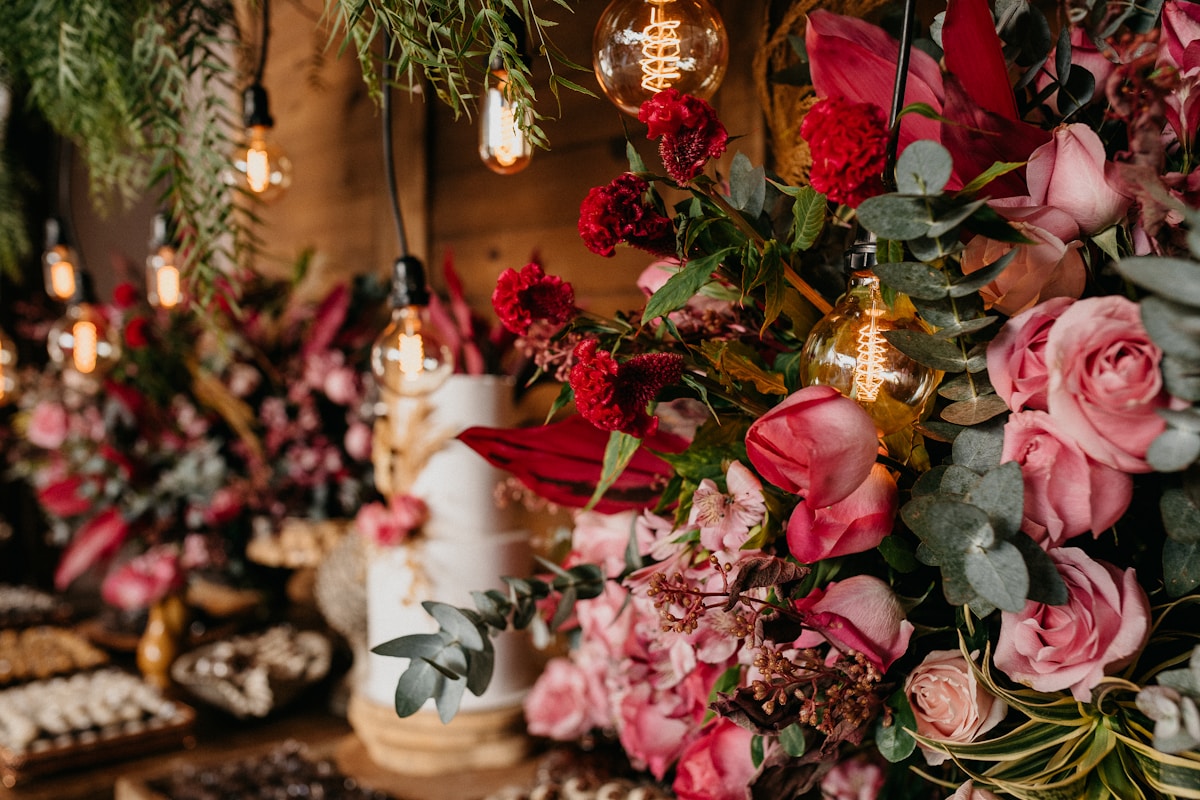
You know that moment when you take a bite of a cake and suddenly feel like you’re sitting in a garden? That’s what floral baking promises — but too often it delivers a mouthful of perfume instead of elegance. I’ve been there: a lavender shortbread that tasted like soap, a rose cake that could double as air freshener. The key to getting it right is understanding that floral flavors are delicate performers. They need the right stage, the right co-stars, and a bit of scientific know-how to shine without overpowering. Let’s break down how to do that with two of my favorite floral ingredients: jasmine and passion fruit.
The Science of Floral Infusions
Jasmine is a volatile flavor. Its aromatic compounds — mainly benzyl acetate, linalool, and indole — are fragile and can easily degrade or become bitter if mishandled. The best way to capture that true jasmine essence is through cold or gentle heat infusion. Pastry chef Stella Parks recommend starting with 1 tablespoon of dried jasmine buds per cup of liquid for a subtle floral note. You can scale up, but remember: more is not better. Too much jasmine and the cake will taste like a cheap candle.
For jasmine milk (to be used in cake batter or buttercream), heat one cup of whole milk to just below simmering — around 180°F (82°C). Remove from heat, stir in the jasmine buds, cover, and let steep for exactly 15 minutes. Why 15? Because that allows the delicate floral compounds to infuse without pulling out the bitter tannins that emerge after 20+ minutes. Strain through a fine-mesh sieve lined with cheesecloth. Use this milk in place of regular milk in any vanilla cake recipe. King Arthur Flour’s Classic Birthday Cake works beautifully here — just sub the milk with your jasmine-infused version.
For jasmine butter (for frosting), you’ll want to infuse the fat. Melt unsalted butter (I use Plugrá or Kerrygold for their low moisture content) and add the jasmine buds while warm. Let it sit at room temperature for 30 minutes, then re-chill and use as usual. The fat will carry the flavor incredibly well, and you avoid the water-logged texture that comes from infusing cream directly. A reader on Reddit’s r/Baking suggested steeping tea in cream before making buttercream — that works too, but you need to account for the added liquid. If you do steeping cream, reduce the cream by 2 tablespoons per cup before making your buttercream to compensate.
Building Depth with Brown Butter
Brown butter is the secret weapon for taming floral flavors. Why? Because the Maillard reaction creates nutty, toasty notes that ground the ethereal floral top notes. When you brown butter, you’re creating hundreds of new flavor compounds — mainly furanones and pyrazines — that add a savory-sweet complexity. That complexity acts like a flavor “anchor,” preventing the jasmine from floating away into perfume territory.
To make brown butter, start with unsalted butter and heat it over medium heat in a light-colored pan (so you can see the color change). Swirl frequently. You’ll see three stages: first it foams, then the foam subsides, and finally the milk solids at the bottom turn amber. The moment they reach a deep golden brown (like the color of a new penny), remove from heat and pour into a heatproof bowl. This happens fast — about 5-7 minutes total. Let it cool completely before using. For a cake, you’ll want to use the brown butter in place of regular melted butter, but note that browning reduces water content, so you may need to add a splash of milk to maintain hydration. I us 2 tablespoons of milk per stick of browned butter.
Passion Fruit Curd Chemistry
Passion fruit curd is the perfect counterpoint to jasmine’s floral delicacy. Its high acidity (pH around 2.5) and bright tropical aroma cut through the richness of brown butter and buttercream like a laser. This acidity also stabilizes the curd’s emulsification. When you whisk passion fruit puree with sugar, egg yolks, and butter, you’re creating an oil-in-water emulsion. The acid in the fruit helps denature the egg proteins just enough to thicken the curd without scrambling them.
My go-to ratio: 1 cup passion fruit puree (I prefer the Goya brand canned puree, or fresh if you can find it), 3/4 cup granulated sugar, 3 large egg yolks, 1 whole egg, and 6 tablespoons unsalted butter, cubed. Whisk everything except the butter in a saucepan. Cook over low heat, stirring constantly with a silicone spatula, until it thickens enough to coat the back of a spoon — about 170°F (77°C) on a digital thermometer. Remove from heat, stir in the butter cubes until smooth, then strain. Chill completely before using. The yield is about 2 cups. You can fold it into buttercream for a passion fruit Swiss meringue, or use it as a filling between cake layers.
The Balancing Act: Building a Floral Cake
Now let’s put it all together. A brown butter vanilla jasmine cake, filled with passion fruit curd, and topped with jasmine buttercream. The structure is a classic layer cake, but with intentional flavor pairings.
Cake layers: Start with a standard vanilla butter cake recipe. Substitute the milk with your jasmine-infused milk (as above). Use brown butter instead of melted regular butter. Add 1 teaspoon vanilla extract (pure, not imitation) to reinforce the floral notes. Bake at 350°F (177°C) for 25-30 minutes in 8-inch rounds. The brown butter will give a slightly denser crumb, so don’t overmix.
Assembly: Level the cakes. Spread a thin layer of passion fruit curd between each layer — about 1/3 cup per gap. The tartness will balance the rich cake. Then frost with jasmine buttercream. Make a Swiss meringue buttercream: whip 5 egg whites and 1 cup sugar over a double boiler until 160°F (71°C), then whip until stiff peaks and cool. Beat in 2 cups of softened jasmine-infused butter (from earlier) and a pinch of salt. The result is a silky, floral frosting that’s not too sweet.
Garnish: Top with dried jasmine buds or edible flowers like rose petals. But be careful — edible flowers can vary in flavor. Stick to ones labeled for culinary use. A light dusting of freeze-dried passion fruit powder adds tang and visual pop.
Troubleshooting Common Floral Baking Failures
Problem: Jasmine flavor is barely there. Fix: Your steeping time was too short, or your jasmine buds are old. Fresh jasmine tea has a more intense aroma. Also, make sure you’re using whole dried buds, not broken bits. Try steeping for 20 minutes next time, but no longer.
Problem: Cake tastes bitter or soapy. Fix: You over-steeped the jasmine (over 20 minutes) or used too many buds. The bitter compounds come from tannins. Start with 1 tablespoon per cup and reduce steeping time. Also, ensure you’re using high-grade jasmine tea — cheaper blends can have artificial flavors that turn harsh.
Problem: Passion fruit curd is runny. Fix: Your curd didn’t reach the proper temperature. Egg yolks must reach 170°F (77°C) to fully thicken. Use a thermometer. Also, make sure you didn’t reduce the fat — butter is essential for emulsification. If it’s still thin, return to heat with 1 teaspoon cornstarch slurry.
Problem: Curd is grainy. Fix: Overcooking can cause the eggs to scramble. Keep stirring constantly, and remove from heat the moment it thickens. Strain through a fine sieve to remove any lumps.
A Final Thought on Floral Balance
Floral baking isn’t about using the most expensive edible flowers or loudest extract. It’s about building a flavor ecosystem where every component supports the others. The brown butter provides a deep, warm stage. The jasmine adds a delicate, perfumed melody. The passion fruit cuts through with sharp, clean acidity. Together, they create something that tastes both luxurious and grounded.
Next time you see a recipe for lavender lemon cake or orange blossom cupcakes, think about the science underneath. Infuse gently. Add richness. Balance with acid. And always taste as you go (your future self will thank you). The kitchen is a magic place — and with these techniques, you’ll create floral desserts that actually taste like flowers should: beautiful, subtle, and unforgettable.


