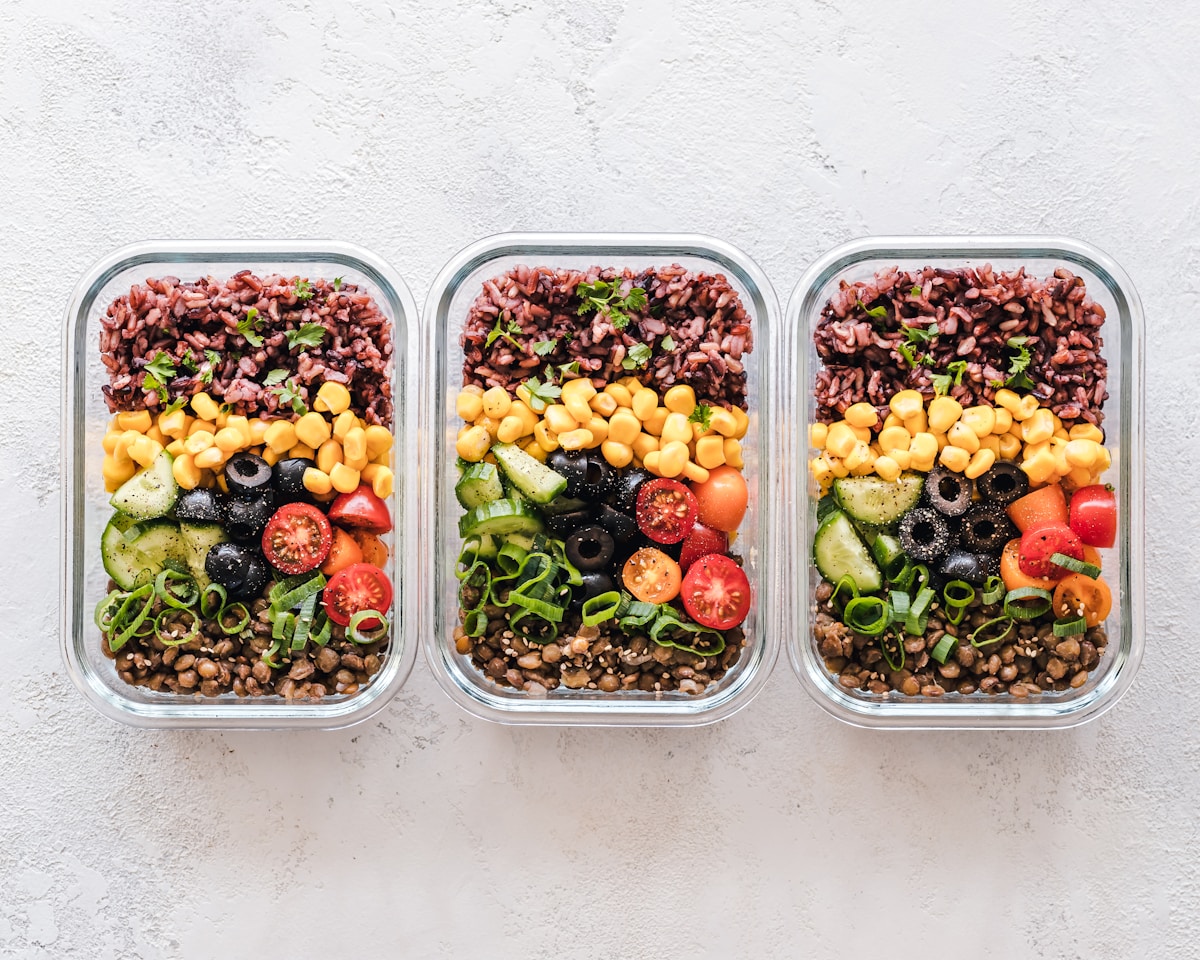
The backpacks are still on the floor, someone has asked for a snack three times, and the dinner you meant to make no longer feels possible. On nights like this, the goal is not a perfect meal. A fast family dinner plan is a short list of filling options you can make from food already in the house.
Pasta with sauce, eggs and toast, soup and sandwiches, or a snack plate can all count as dinner. The win is getting everyone fed with less stress and fewer decisions.
Key Takeaways
- Keep five to seven repeatable dinner formats instead of relying on new recipes every night.
- Use a small snack bridge to ease urgent hunger while a quick meal cooks.
- Stock multipurpose pantry, refrigerator, and freezer staples that work in several meals.
- Let available time, energy, and clean dishes decide dinner—not the original plan.
- Simple meals and backup dinners are practical tools, not failures.
Build a fast family dinner plan for chaotic evenings
A useful fast family dinner plan removes decisions from the hardest part of the day. Rather than starting with, “What should I cook?” choose from a few familiar meal formats your household already knows.
It helps to separate three different options.
A true dinner is a quick combination with something filling, such as a protein and starch, plus produce or another easy side when available. Think bean quesadillas with orange slices, scrambled eggs with toast and tomatoes, or pasta with frozen peas.
A snack bridge is a small, satisfying pre-dinner snack that buys you a calmer 10 to 20 minutes while food cooks. It is not meant to replace dinner. Crackers with cheese, yogurt with fruit, or toast with a household-appropriate spread can take the sharp edge off hunger.
A backup meal is the no-shame choice for evenings with little time, energy, or dish capacity. It might be sandwiches, soup and crackers, a freezer meal prepared according to package directions, or a snack plate. A backup meal is part of the plan, not proof that the plan failed.
Keep the system small. Five to seven dependable formats are usually more helpful than a long collection of recipes you need to search for, shop for, and remember.
Use a 15-minute fallback list instead of starting from scratch
The best last minute family meals begin with what is ready now. Start with the cooked grain, canned item, leftovers, freezer shortcut, or refrigerator ingredient you can see, then build around it.
Here are flexible meals that often come together in about 15 minutes or less, depending on what needs heating.
Pasta plus shortcut sauce. Cook pasta while warming jarred sauce. Add canned beans, leftover chicken, cooked sausage, or another ready protein if you have it. Stir frozen vegetables into the pasta water near the end of cooking, or serve fruit and raw vegetables on the side.
Quesadillas plus easy sides. Fill tortillas with shredded cheese and beans, leftover meat, or cooked vegetables. Heat until the filling is hot and the tortilla is crisped to your liking. Add fruit, salsa, yogurt, canned beans, or carrot sticks.
Eggs with whatever is nearby. Scrambled eggs, omelets, or fried eggs can anchor toast, tortillas, leftover potatoes, bagged salad, or fruit. If some family members prefer plain eggs, offer toppings separately rather than making entirely separate meals.
Soup and something for dipping. Pair a ready soup with grilled cheese, toast, crackers, or a simple turkey, cheese, or hummus sandwich. This works especially well when there is one pot available and little energy for cleanup.
Sandwiches or wraps. Use deli ingredients, cheese, egg salad, beans, leftover chicken, or a favorite spread. Add yogurt, fruit, cucumbers, baby carrots, chips, or pickles. Serving more than one simple component makes a sandwich dinner feel more substantial.
Quick grain bowls. Start with a microwave grain pouch or leftover rice. Add canned beans, warmed frozen vegetables, cheese, leftover protein, and a familiar sauce. Let everyone choose toppings if that makes the meal easier.
Snack plates. Arrange one protein, one starch, one fruit or vegetable, and one familiar item. Try cheese cubes, crackers, apple slices, and cucumbers; or hummus, pita, grapes, and leftover chicken. If it is enough food for the evening, it is dinner.
For picky eaters, include at least one familiar food when practical. Serve foods in separate sections or small bowls if mixed meals are often rejected. You do not need to negotiate bites or keep cooking replacements; offer the meal calmly and let each person choose from what is served.
Stock an emergency pantry, refrigerator, and freezer
Easy family meal planning works best when it is organized by where food lives, not by a complicated calendar. Stock items your household will use in more than one dinner format.
In the pantry, consider pasta, jarred sauce, canned beans, canned soup, tortillas, crackers, shelf-stable grains, simple sauces, and nut or seed butter if appropriate for your household. These can become pasta bowls, quesadillas, soup dinners, wraps, or snack plates.
In the refrigerator, useful shortcuts include eggs, shredded cheese, yogurt, deli ingredients, pre-washed greens, fresh fruit, baby carrots, dips, and leftover cooked proteins. A bag of greens or container of washed carrots is not essential, but it can make a quick meal feel more complete with almost no effort.
In the freezer, keep vegetables, bread, tortillas, cooked grains, and convenience proteins such as meatballs or veggie patties your family enjoys. A few family-friendly frozen meals are useful backups, too. Follow package directions, and handle leftovers, thawing, and reheating with current food-safety guidance in mind.
Make a short emergency list for your home. It might include pasta, sauce, beans, tortillas, cheese, eggs, soup, frozen peas, bread, yogurt, and fruit. If those ingredients can make four or five different meals, the system is working.
Use a simple restock rule: when you open or use a key backup item, add it to the next shopping list. That prevents the emergency plan from existing only on paper.
Follow a simple dinner decision tree when the day runs late
When everyone is hungry, use three questions instead of trying to make the ideal meal.
First: How much time do you really have? Under 10 minutes calls for a backup meal. About 15 minutes opens up quesadillas, eggs, pasta, bowls, and freezer shortcuts. More than 20 minutes may allow a simple cooked meal, especially if a snack bridge settles the room first.
Second: Who is home, and how hungry are they? If one child ate a late snack and another is melting down from hunger, offer the hungriest child a modest snack bridge rather than delaying everyone. If one adult is handling dinner alone, choose a meal that does not need constant stovetop attention.
Third: What is your dish and energy situation? If there is one clean pot and four clean plates, soup and toast may win. If there are no clean pans, choose wraps, sandwiches, or snack plates. The best dinner is the one you can finish without making the evening harder.
Try this quick decision tree:
- Under 10 minutes: Snack plate, sandwiches, soup and crackers, carefully handled leftovers, or another easy backup meal.
- About 15 minutes: Eggs and toast, quesadillas, pasta, grain bowls, or a convenience protein with fruit and vegetables.
- More than 20 minutes: Cook a basic meal, but offer a small snack bridge first if hunger is making waiting difficult.
Keep snack bridges modest. Fruit with yogurt, cheese with crackers, toast with a spread, or vegetables with dip are practical choices. Think of this as a pause button, not a second meal.
A calm script can reduce repeated questions: “Dinner is quesadillas, fruit, and carrots. We will eat in about 15 minutes. You may have crackers and cheese while I cook.” It gives children a clear answer and a predictable next step without promising a favorite meal every night.
Make the weeknight dinner routine easier tomorrow
You do not need a marathon meal-prep session to make tomorrow easier. Small reset tasks can be enough.
After dinner, set aside leftovers that could become lunch, wrap filling, a grain bowl, or a backup dinner. Labeling a container can help you remember what it is before it disappears behind other food. Cool, refrigerate, freeze, and reheat leftovers according to current food-safety guidance.
When it fits naturally, cook a little extra pasta, rice, or protein. Do not create more work on a difficult evening just to be prepared. But if you are already making rice, an extra portion can become tomorrow’s quick bowl.
Before bed or during cleanup, move one useful item into view for tomorrow. Place tortillas near the front of the refrigerator, put a freezer meal where you will notice it, or group canned soup and crackers together in the pantry. These visual cues reduce tomorrow’s decision-making.
Children can help in ways that match their age, skills, and attention. They might wash sturdy produce, choose fruit, set out napkins, place cold items on a snack plate, or help assemble a sandwich. Tasks involving heat, sharp tools, or appliances need close adult judgment and supervision.
A simple weekend check keeps the routine going: review the emergency shelf, refill snack-bridge staples, and replace foods your family used. This is not a full meal plan. It is maintenance for the nights when plans fall apart.
Success is not whether dinner looks impressive. It is fewer last-minute decisions, less urgency at the table, and a meal everyone can approach calmly.
Frequently asked questions
What counts as dinner when I have almost no time to cook?
Dinner can be sandwiches with fruit and yogurt, soup with toast, a snack plate with protein and produce, carefully handled leftovers, or a freezer option prepared as directed. A meal does not need to be hot, elaborate, or made from scratch to count.
What should I keep on hand for last minute family meals?
Choose a few multipurpose staples: pasta, sauce, canned beans, soup, tortillas, crackers, eggs, cheese, bread, frozen vegetables, fruit, yogurt, and one or two freezer backups. Adjust the list for your family’s preferences, allergies, budget, and storage space.
How can I handle a quick dinner for hungry kids without making a separate meal for everyone?
Serve one flexible meal with separate components and include a familiar item where possible. For example, offer quesadilla wedges, beans, fruit, and vegetables separately. You can account for preferences without becoming a short-order cook.