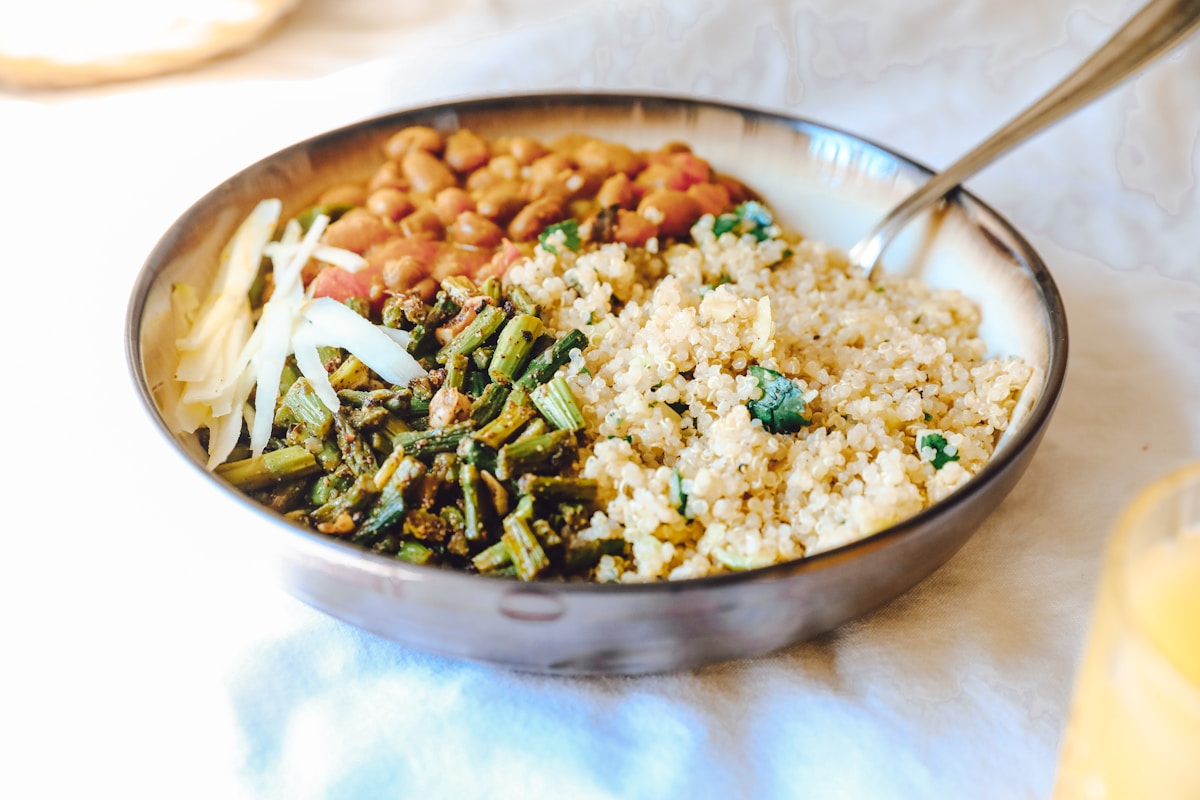
It is 5:30, everyone is hungry, and opening the refrigerator feels like a test you did not study for. The good news is that easy dinners with no meal planning do not require a new recipe, a grocery run, or a perfectly stocked kitchen.
A dependable tired-night dinner can be one protein, one produce option, and one filling base. Think canned beans, frozen broccoli, and microwave rice with salsa or shredded cheese. The goal is not a picture-perfect meal; it is dinner that is satisfying, familiar, and genuinely possible tonight.
Key Takeaways
- Build dinner from three parts: a protein, a produce item, and a starch or filling base.
- Keep a small supply of pantry, freezer, and refrigerator staples your household actually uses.
- Use canned, frozen, bagged, pre-cooked, microwaveable, and ready-to-eat foods without guilt.
- Repeat the same dependable meal templates to reduce decisions on busy nights.
Start With a No-Planning Dinner Formula
Use this choose-three system whenever deciding feels harder than cooking:
- Pick one protein: beans, eggs, rotisserie chicken, tuna, tofu, deli turkey, leftover meat, or fully cooked frozen meatballs.
- Pick one produce option: frozen vegetables, bagged salad, baby carrots, canned corn, fruit, or leftover vegetables.
- Pick one starch or filling base: toast, tortillas, rice, pasta, potatoes, crackers, or noodles.
Then add one flavor helper if you have it: salsa, marinara, pesto, soy sauce, taco seasoning, shredded cheese, salad dressing, or a favorite bottled sauce.
For example, microwave rice, black beans, and frozen broccoli become a bowl. Add salsa for a taco-style version, soy sauce for a savory bowl, or cheese for a mild option. You do not need every usual topping for it to count as dinner.
This formula also makes minimal ingredient family meals easier. If someone prefers rice, chicken, and vegetables separately, serve them that way. If someone wants extra sauce, put it on the table rather than making a second meal.
Keep a Small Emergency Dinner Grocery List
An emergency dinner list should feel small enough to maintain. Buy the foods your household reaches for, not every item on a long pantry checklist.
Pantry basics can include pasta, rice or microwaveable grains, canned beans, canned soup, jarred pasta sauce, tortillas, tuna or canned chicken, broth, crackers, and one or two seasoning blends. Couscous or instant noodles can also be useful when you need a quick base.
Freezer basics might include frozen mixed vegetables, broccoli, peas, spinach, frozen fruit, bread, shredded cheese, and one or two prepared options your family enjoys. Fully cooked meatballs, cooked chicken strips, dumplings, or a freezer entrée can be practical choices; follow package directions for heating.
Refrigerator basics can be eggs, yogurt, cheese, bagged salad or slaw, rotisserie chicken, deli turkey, hummus, and a ready-to-use sauce. Potatoes, sweet potatoes, and apples can also rescue several tired evenings.
Use what is easiest for you. Frozen vegetables, canned vegetables, fresh produce, pre-cut produce, and leftovers can often fill the same role in a meal. If chopping vegetables means dinner will not happen, choose bagged salad, baby carrots, frozen vegetables, or fruit without apology.
10 Easy Dinners With No Meal Planning Required
These low-effort dinner ideas are templates, not strict recipes. Use the pieces you have, skip the pieces you do not, and repeat the ones that work.
1. Microwave rice bowls
Start with microwave rice or leftover rice. Add beans, rotisserie chicken, an egg, tofu, or a cooked frozen protein, plus frozen vegetables heated in the microwave. Finish with salsa, soy sauce, cheese, or dressing.
For selective eaters, make a separate-piles bowl: rice in one section, protein in another, vegetables on the side, and sauce optional. This is one of the most useful easy pantry freezer meals because the ingredients can wait until you need them.
2. Bean-and-vegetable skillet
Warm canned beans and frozen vegetables in a skillet with salsa, marinara, canned tomatoes, or a seasoning blend. Serve over rice, scoop with tortillas, or eat with toast.
Black beans and corn with salsa lean taco-style. White beans and spinach with marinara work well with toast or pasta. Use a lid for a few minutes if the vegetables need help warming through.
3. Eggs, toast, and produce
Scramble or fry eggs while toast cooks. Add fruit, bagged salad, baby carrots, or warmed frozen vegetables.
Cheese in the eggs, beans on toast, or yogurt alongside can make the meal feel more filling without adding much work. It is a simple weeknight dinner that works when energy is low.
4. Shortcut pasta night
Cook pasta and warm jarred sauce or pesto. Stir in canned beans, tuna, leftover chicken, or cooked chicken strips, plus frozen peas, spinach, or broccoli.
If you only have pasta and sauce, serve fruit or a simple salad if it is easy. If you do not want a separate side, toss frozen peas into the pasta water near the end of cooking.
5. Upgraded canned soup
Heat canned soup and add bread, toast, crackers, or a grilled cheese sandwich. If available, stir in rinsed beans, frozen vegetables, leftover chicken, or cooked pasta.
Soup does not need an upgrade to be useful. The add-ins simply stretch it when you have them and want a heartier bowl.
6. Wraps, quesadillas, or snack plates
Fill tortillas with cheese, beans, deli turkey, leftover chicken, bagged slaw, or hummus. Warm a quesadilla in a skillet until the filling is hot and the tortilla is crisp, or keep everything cold for easy wraps.
A snack plate works when nobody wants the same thing: bread or crackers, cheese, hummus or beans, fruit, vegetables, and deli protein. Three or four choices are plenty.
7. Sheet-pan sausage or meatball dinner
Put fully cooked sausage or meatballs on a sheet pan with quick-cooking or frozen vegetables. Add a simple starch, such as bread, microwave rice, or potatoes cooked separately in the microwave.
Keep it easy by using ingredients that do not require peeling, long roasting, or a complicated sauce. Check package directions for fully cooked proteins and prepared foods, including the recommended heating method.
8. Frozen dumplings or a convenience entrée with vegetables
Heat frozen dumplings, a prepared freezer meal, or another convenience entrée according to its package instructions. Add microwave-steamed frozen vegetables, bagged salad, fruit, or baby carrots.
Convenience foods are useful kitchen tools. Pairing one with a produce item is often enough to make dinner feel more complete.
9. Loaded baked potatoes or sweet potatoes
Microwave a potato or sweet potato until tender, following your appliance instructions and handling it carefully because it will be hot. Split it and add beans, cheese, chili, leftover meat, broccoli, yogurt, or salsa.
A plain baked potato with cheese and fruit on the side is also a reasonable tired-night meal. Use what your family likes instead of building an elaborate potato bar.
10. No-cook dinner board
Arrange bread, crackers, hummus, cheese, fruit, raw vegetables, deli meat, beans, and leftovers on a plate or board. It is especially useful on hot evenings, during a kitchen renovation, or when the stove is unavailable.
Keep the choices simple. A large spread can create more work than it solves.
What makes these simple weeknight dinners truly low effort is the shortcut: canned, frozen, bagged, pre-cooked, microwaveable, or ready-to-eat components. A meal is not low effort if it quietly requires chopping six vegetables, soaking beans, or cooking three separate sides.
Make the Same Templates Work With What You Have
When an ingredient is missing, swap by job rather than by exact recipe. Replace protein with protein, produce with produce, and a filling base with another filling base.
For protein, try beans, lentils, eggs, canned fish, rotisserie chicken, leftover cooked meat, tofu, deli meat, or fully cooked frozen protein. For produce, use frozen mixed vegetables, canned tomatoes, corn, bagged greens, slaw, baby carrots, salad kits, apples, or other fruit.
For the starch, use microwave rice, pasta, toast, tortillas, potatoes, crackers, couscous, or instant noodles. A sandwich can become a bowl, and a bowl can become a wrap. Leftovers can become an omelet filling, soup addition, or quesadilla filling.
Flavor shortcuts keep dinner from feeling repetitive. Salsa works with beans, eggs, rice bowls, and potatoes. Marinara can go with pasta, white beans, meatballs, or a simple skillet. Pesto, bottled stir-fry sauce, taco seasoning, cheese, soup base, and favorite dressings also do a lot of work.
Treat leftovers as ingredients, not a separate planned meal you must serve exactly as before. Leftover chicken can go into wraps, soup, rice bowls, pasta, or quesadillas. Leftover vegetables can go into eggs, a skillet, or a bowl.
Limited kitchen choices: For microwave-only nights, choose rice bowls, baked potatoes, soup, frozen entrées with vegetables, or dumplings. For one-skillet nights, make bean skillets, eggs and toast, quesadillas, or pasta with sauce. For no-cook nights, choose wraps, snack plates, deli sandwiches, or a salad kit with bread and protein.
Use a 5-Minute Dinner Decision Routine
When you are wondering what to cook when tired, do not search for a new recipe first. Try this short routine instead.
Step 1: Look for one item in each choose-three category. Check the refrigerator, freezer, and pantry. You only need a protein, produce item, and starch.
Step 2: Choose the easiest cooking method. Use the microwave for the fewest dishes. Choose one skillet when you want something warm and mixed together. Use a sheet pan only when turning on the oven feels manageable. Choose no-cook assembly when even that is too much.
Step 3: Add one familiar flavor. Pick salsa, cheese, marinara, soy sauce, pesto, or a seasoning blend. Familiar sauces reduce decision-making and make dinner feel less like an experiment.
Step 4: Repeat a favorite template. Repeating meals is the point of easy dinners with no meal planning. A short list of dependable combinations is often more helpful than a fresh menu every night.
For leftovers and cooked convenience foods, safe use depends on how they were stored, how long they have been kept, the reheating method, and package directions. When you are unsure, check current food-safety guidance or choose a different item.
FAQs
What can I cook when I am too tired to follow a recipe?
Make a bowl, wrap, egg-and-toast plate, soup-and-bread meal, loaded potato, or snack plate. Start with one protein, one produce item, and one starch, then add a familiar sauce if you want one. These meals work because you can assemble them without measuring.
What are good pantry and freezer meals for families?
Useful family staples are foods your household will reliably eat: pasta, canned beans, soup, tortillas, rice, frozen vegetables, bread, shredded cheese, fruit, and a few prepared freezer items. Keep the list realistic. A small supply that gets used is more valuable than a large pantry full of ingredients nobody wants.
How do I make a simple dinner feel more balanced without meal planning?
Use the protein-produce-starch guideline as a gentle check, not a rule. Add beans, eggs, chicken, cheese, or tofu for protein; frozen vegetables, salad, carrots, or fruit for produce; and rice, bread, pasta, potatoes, or tortillas for a filling base. If one part is missing, make the dinner you can and move on.