


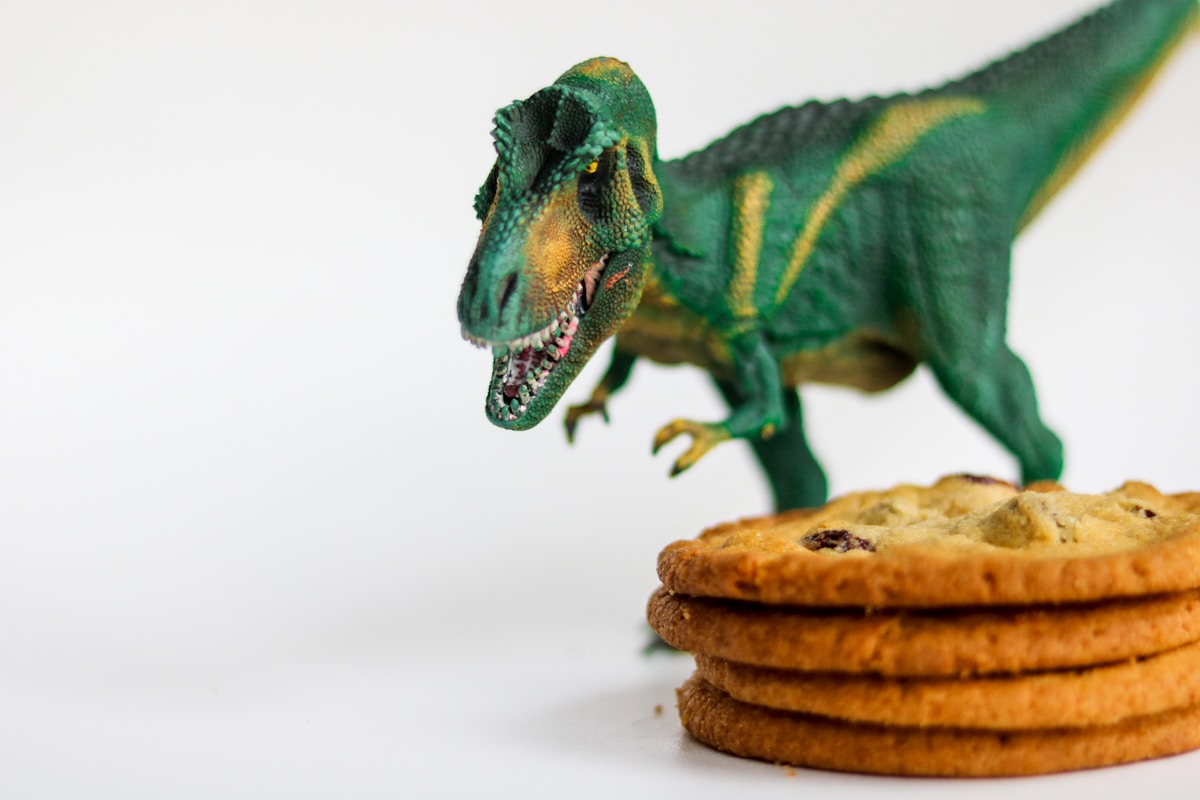
You saw that Reddit post too, didn’t you? The one with the chocolate sugar cookies that looked like actual dinosaur fossils—imprinted with vertebrae and ribcage shapes, fresh from the oven. And then you tried it yourself, only to watch those beautiful impressions puff and spread into unrecognizable blobs. I’ve been there. The good news is that clear fossil imprints are absolutely achievable. It comes down to understanding how dough behaves under heat, and a few specific techniques that keep the mark where you stamped it.
Why Fossil Imprints Spread (and How to Stop It)
Baking is chemistry you can eat, and cookie spread is a classic example of fat migration and gluten relaxation. When you press a dinosaur cutter into dough, you’re compressing the structure. If the dough is too warm, that compressed area relaxes faster than the rest, causing the imprint to blur. The solution is cold dough. Really cold. Chilling after stamping locks those ridges in place. But there’s another culprit: leavening. Too much baking powder or soda creates bubbles that push the surface upward, distorting fine lines. For fossil cookies, you want minimal spread and minimal puff. That means a dough formula with a higher flour-to-fat ratio, and a leavening agent used sparingly. A good rule of thumb is to reduce baking soda by half compared to a standard sugar cookie recipe, or omit it entirely if you use self-rising flour. I’ve had the best results with a recipe that uses just 1/4 teaspoon of baking powder per 2 cups of flour.
The Perfect Chocolate Sugar Cookie Dough for Fossils
This dough is designed for crisp edges and deep, dark color so the imprints stand out. You’ll need:
- 2 1/2 cups (300g) King Arthur all-purpose flour
- 1/2 cup (40g) Dutch-process cocoa powder (I prefer Guittard or Valrhona for deep color)
- 1/4 teaspoon baking powder
- 1/2 teaspoon salt
- 1 cup (227g) unsalted butter, softened to 65°F (18°C)
- 3/4 cup (150g) granulated sugar
- 1 large egg, room temperature
- 1 teaspoon vanilla extract
Cream the butter and sugar until just combined—don’t over-cream or you’ll incorporate too much air, which encourages puffing. Add the egg and vanilla, then mix in the dry ingredients until the dough comes together. It should be firm but pliable. Wrap in plastic and refrigerate for at least 2 hours. This initial chill hydrates the flour and solidifies the fat, which is critical for clean stamping.
The Stamping Technique: Chill, Press, Chill Again
Now for the actual fossil-making. Roll the dough to about 1/4 inch (6mm) thick. Thicker than 3/8 inch and the imprint may bake out. Thinner and the cookies will be too fragile. Use a ruler or rolling pin guides (I love the Joseph Joseph adjustable pin). Cut out your shapes with a dinosaur cookie cutter—Ann Clark makes excellent metal ones that hold a sharp edge. Before stamping, dip the cutter in cocoa powder to prevent sticking. Then press the cutter about halfway into the dough, not all the way through. Apply even pressure and wiggle slightly to get clean edges. Lift straight up. You’ll see the dinosaur shape indented like a fossil mold. At this point, transfer the cut and stamped cookies to a parchment-lined baking sheet and pop them in the freezer for 15 minutes. Yes, the freezer. This final chill sets the imprint so deeply that even aggressive oven heat won’t erase it. While they chill, preheat your oven to 350°F (175°C).
Baking Science for Perfect Imprints
The key is to start with a cold cookie on a hot surface. If you bake directly from the freezer on a room-temperature sheet, the outer edges set quickly while the center stabilizes. This prevents spread and preserves the indentation. For even more insurance, reduce your oven temperature to 325°F (163°C) and increase time by 2 minutes. Lower heat gives the flour more time to gelatinize before the fat fully melts, locking the shape. Bake for 10-12 minutes, rotating halfway. The cookies should look dry on the edges and slightly puffed in the center. They will continue to set as they cool. Let them rest on the pan for 5 minutes before moving to a wire rack. Do not skip this—moving too early can crack delicate fossil lines.
Troubleshooting Common Fossil Cookie Problems
Even with perfect technique, things can go wrong. Here are the most common issues and fixes:
- Imprint disappears entirely: Your dough was too warm when stamped. Next time, chill the rolled dough for 10 minutes before cutting and stamping. Also check your leavener—cut it back.
- Imprint is there but blurry: The cookie spread sideways during baking. Increase your oven temperature by 25°F (14°C) to speed up structure setting. Or add 1 tablespoon of cornstarch to the flour mix to reduce gluten formation.
- Cookies are too hard: Overbaked or too much flour. Measure flour by weight—scooping with a cup compresses it. Reduce bake time by 2 minutes next batch.
- Cutter sticks to dough: Dust the cutter with cocoa powder or flour between each press. Alternatively, dip it in granulated sugar for a sparkly fossil edge.
- Bone details look flat: Use a toothpick or the tines of a fork to add extra texture after stamping. Drag a fork along the cookie to create ribbed bone patterns or pockmarks. A skewer can make small holes that look like marrow cavities.
Taking It Further: Dinosaur Tracks and Fossil Bones
Beyond the basic dinosaur shape, you can create a whole fossil scene. Use a set of small dinosaur footprint cutters (the Wilton mini sets work well) to stamp individual tracks heading across the cookie. For a more advanced look, roll out two thin sheets of dough in different shades (one dark chocolate, one vanilla) and layer them before cutting. The imprint will reveal the lighter layer underneath, like a real cross-section fossil. Or try pressing small pasta shapes like ditalini into the dough to simulate bone fragments. I’ve even used a small fish-shaped cutter to make archeopteryx feathers.
Storing and Gifting Your Fossil Cookies
These cookies keep well because they’re low in moisture. Store in an airtight container with a piece of bread (the bread absorbs excess humidity without softening the cookies). They’ll stay crisp for up to a week. To make them giftable, package in a box with a small card explaining how you made the imprints—people love that. If you want to decorate, use a thin royal icing (just powdered sugar and milk) to pipe outlines around the fossils, but avoid flooding the indentation or you’ll lose the effect. A dusting of edible gold luster dust on the imprints makes them look like museum specimens. (Yes, really—it’s stunning.)
The beauty of fossil cookies is that they turn a simple sugar cookie into a conversation piece. Every bite feels like a little discovery. Once you master the chill-stamp-chill method, you’ll be able to imprint any shape—leaves, seashells, even letters. The science is the same: cold dough, minimal leavening, and a high enough oven temperature to set the structure before the butter melts. Now go impress your friends with cookies that look like they were dug out of the Jurassic. And if your first batch spreads? Just call them “abstract fossils” and try again. Your future self will thank you.


