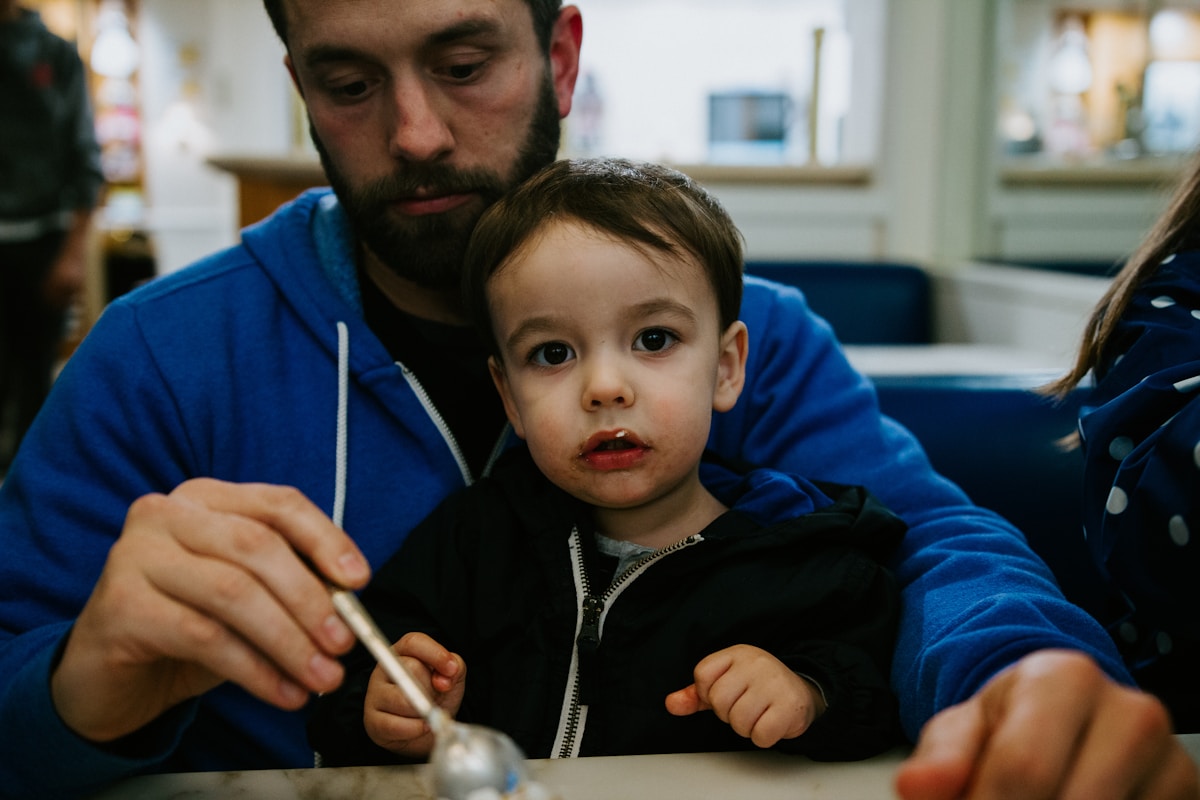
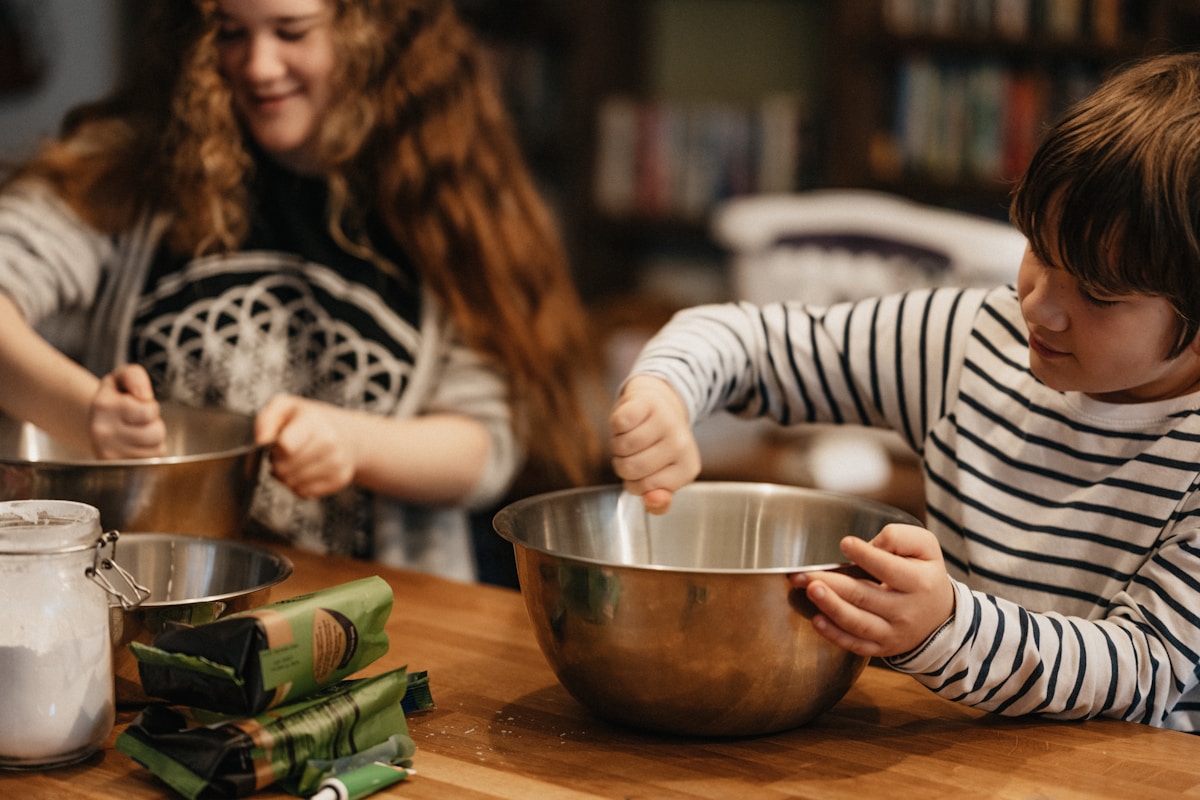
I remember watching my brother, a man who once considered boiling water a culinary triumph, standing on a stool with his four-year-old daughter, both of them covered in a fine dusting of flour. They were giggling, carefully stirring pancake batter in a big yellow bowl. He later told me that those Saturday morning pancake sessions had become their special thing, a time when the noise of the world faded away, leaving just the two of them and the sweet smell of vanilla.
So many dads I talk to want that connection. They want to be hands-on and create those core memories, but sometimes it feels like the big, planned outings get all the attention. I’m here to let you in on a little secret: the real magic often happens in the most ordinary of places. And there is no place more magical, or more full of opportunity for connection, than the family kitchen.
It’s not about becoming a gourmet chef overnight. It’s about slowing down, sharing a task, and creating something wonderful together. It’s about turning mealtime prep from a chore into a cherished tradition.
Why the Kitchen is a Dad’s Secret Weapon for Bonding
In today’s busy world, finding quality time can be a challenge. The beauty of cooking together is that you’re accomplishing a necessary task—making dinner!—while also building a stronger relationship. It’s a natural, low-pressure way to spend time side-by-side.
When a dad invites his child into the kitchen, he’s sending a powerful message: “You are capable. You are helpful. I trust you.” This isn’t just about mixing and measuring; it’s about building a child’s self-esteem. Every sprinkle they add and every carrot they wash is a small victory that says, “I did that!”
Cooking is also a fantastic way to teach life skills without a lecture. You’re touching on math when you measure flour, science when you see yeast make dough rise, and reading when you follow a recipe. More importantly, you’re teaching them about patience, about following steps, and about the satisfaction of seeing a project through from start to finish. And let’s be honest, a child who knows how to make their own scrambled eggs is a child who is one step closer to independence. (Your future self will thank you.)
One of the most wonderful side effects? It can help with picky eating. I’ve seen it time and time again. The child who turns his nose up at broccoli will happily gobble it down if he was the one who got to wash it and arrange it on the pizza. They feel a sense of ownership and pride in the meal, making them far more adventurous eaters.
Getting Started The No-Stress Guide for Dads
Okay, so you’re ready to tie on an apron. Where do you start? The key is to manage expectations. It will be messy. Flour will get on the floor. An egg might get dropped. It’s all part of the process. Your goal here isn’t a perfect meal; it’s a perfect moment.
My biggest tip for a peaceful kitchen experience is to do a little prep before your little helper arrives. Read the recipe, wash the produce, and measure out the ingredients into small bowls. We call this “mise en place” in the cooking world, and it’s a lifesaver with kids. It allows them to focus on the fun parts—the pouring, mixing, and stirring—without the chaos of you trying to find the baking soda at the back of the pantry.
It’s also important to match the task to the child’s age and ability:
-
Toddlers (Ages 2-4): Their little hands are perfect for tasks like washing vegetables in the sink (they love splashing!), tearing lettuce for a salad, stirring cold ingredients, mashing a soft banana with a fork, or sprinkling cheese on top of a casserole.
-
Preschoolers (Ages 4-6): They have more dexterity now. Let them crack eggs (into a separate small bowl first, to avoid fishing out shells!), use a plastic knife to cut soft foods like bananas or mushrooms, whisk ingredients together, and help measure and pour with your guidance.
-
School-Aged Kids (Ages 7+): They’re ready for more responsibility. They can read recipe steps aloud, use a vegetable peeler (with supervision!), grate cheese on a box grater, and start learning the basics of using the stovetop with you standing right there. This is a great age to teach them how to make their own grilled cheese or scrambled eggs.
Remember to start with one or two simple tasks and build from there. The goal is to keep it fun, not overwhelming.
Five Fail-Proof Recipes for Dad & Kid Kitchen Adventures
Ready for some ideas? These recipes are all about hands-on fun and delicious results. They’re nearly impossible to mess up, I promise.
1. The Ultimate Build-Your-Own Pizza Night This is a classic for a reason! Buy some pre-made pizza dough from the grocery store to keep it simple. Lightly flour your counter, and let the kids help press and stretch the dough into their own personal pizza shapes. Set up a topping bar in little bowls: marinara sauce, shredded mozzarella, pepperoni, sliced olives, bell peppers, mushrooms—whatever your family loves. Let them spoon on the sauce and create their own masterpieces. Bake on a pizza stone or baking sheet at 425°F (220°C) for 12-15 minutes, until the crust is golden and the cheese is bubbly and delicious.
2. Wacky Weekend Pancakes Move over, boxed mix! Homemade pancakes are so easy and taste a million times better. In one bowl, have your child whisk together 1 ½ cups of all-purpose flour (King Arthur is my favorite), 2 tablespoons of sugar, 2 teaspoons of baking powder, and a ½ teaspoon of salt. In another bowl, you can help them whisk 1 large egg, 1 ¼ cups of milk, and 2 tablespoons of melted butter. Pour the wet ingredients into the dry and let them stir until just combined—a few lumps are perfectly fine! Cook on a lightly greased griddle over medium heat. This is where the fun comes in: add blueberries, mini chocolate chips, or sliced bananas to make smiley faces on the pancakes as they cook.
3. Taco Tuesday Takeover You handle the hot part: browning one pound of ground beef or turkey with a packet of taco seasoning. Once that’s done, the rest is an assembly line of fun. Set up a “Taco Bar” with hard and soft shells, and bowls of shredded lettuce, diced tomatoes, shredded cheddar cheese, salsa, sour cream, and guacamole. Each person gets to build their own perfect taco. It’s interactive, creative, and a guaranteed crowd-pleaser.
4. Silly Snake Hot Dogs This one gets huge laughs every time. You’ll need a package of hot dogs and a can of refrigerated crescent roll dough (like Pillsbury). Unroll the dough and separate the triangles. Help your child wrap one triangle of dough around each hot dog, stretching it so it looks like a coiled snake. Place them on a baking sheet, and use a toothpick to poke in two black peppercorns for eyes. Bake according to the crescent roll package directions, usually around 375°F (190°C) for 10-12 minutes, until the dough is golden brown.
5. No-Bake Energy Bites When you want a cooking project with zero heat, these are perfect. In a medium bowl, have your child mix together 1 cup of old-fashioned oats, ½ cup of creamy peanut butter, ⅓ cup of honey, and ½ cup of fun mix-ins like mini chocolate chips, ground flaxseed, or shredded coconut. Once it’s all combined, show them how to roll the mixture into little one-inch balls. Place them on a parchment-lined plate and chill in the refrigerator for 30 minutes to set. It’s a snack and a fun activity all in one!
Safety First Rules of the Kitchen
Our goal is to build confidence, not fear. Establishing a few simple safety rules from the very beginning makes the kitchen a safe and happy place for everyone.
- Wash, Wash, Wash: The first and last rule of any cooking project is to wash your hands with soap and warm water.
- Hot Zone, Safe Zone: Establish a clear boundary around the stove and oven. Use a colorful mat on the floor or just point it out and say, “This is the ‘Hot Zone,’ and only a grown-up can be in here when the stove is on.”
- Handle with Care: Always have the adult handle the sharp knives and any tasks on the hot stove or in the oven. For kids learning knife skills, start with a plastic lettuce knife or a butter knife on soft foods. Teach them to curl their fingertips under into a “bear claw” when holding food to be cut.
- The ‘Ouch’ Plan: Talk about what to do if a little accident happens. A small burn? We run it under cool (not cold!) water right away. A little cut? We wash it, get a fun band-aid, and a hug. Being prepared makes everyone feel safer.
More Than Just a Meal
One day, your little ones won’t be so little. They’ll be off in their own homes, perhaps with families of their own. You won’t remember every single detail of your days together, but you’ll remember the feeling of standing side-by-side in the kitchen.
You’ll remember the flour on their noses, the serious look of concentration as they stirred the batter, and the proud smile when they served a dish they helped create. These moments, these simple acts of making and sharing food, are the ingredients of a happy childhood.
So, Dads, I encourage you to embrace the mess. Start simple. And know that every pancake you flip and every pizza you build together is another beautiful memory baked right into the heart of your family.