


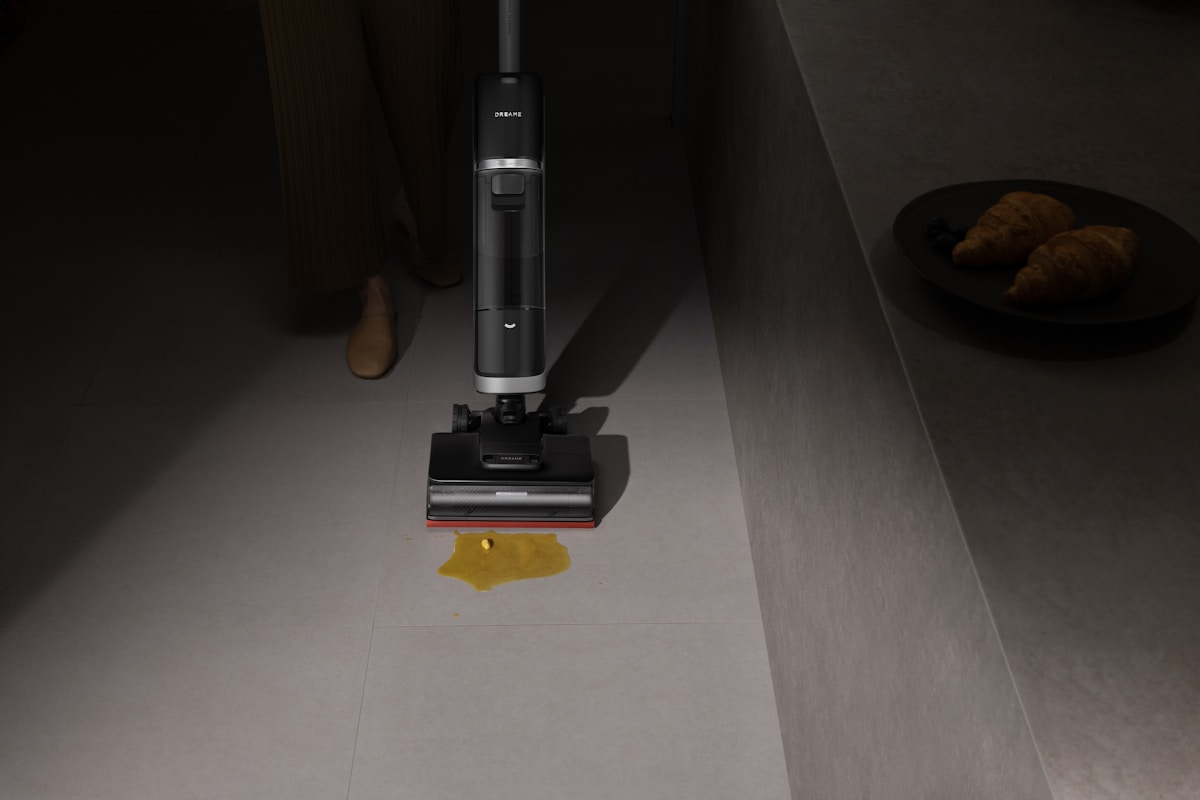
The moment everything changes
You are stirring a pot on the stove, dinner is almost ready, and suddenly you hear that unmistakable gagging sound from the little one playing at your feet. Every parent knows that split-second race against time. You want to protect your floors, your sanity, and your child — all at once. It is messy, it is stressful, but it is also normal. And with a few smart strategies, you can handle it like a pro.
Build your kitchen cleanup kit now
The best time to prepare is before the next incident. Keep a dedicated cleanup bin under the kitchen sink or in a low cabinet that even a preschooler can reach (though you will be the one grabbing it in a hurry). Here is what I recommend stocking:
- Disposable gloves – The thick, nitrile kind (like those from Ammex) so you feel protected and can focus on the job.
- Paper towels – Buy the big rolls from Bounty or a similar brand. They are absorbent and disposable, which is exactly what you want.
- Baking soda – A box of Arm & Hammer is a kitchen staple. It absorbs moisture and neutralizes odors right away.
- White vinegar – Distilled white vinegar in a spray bottle. It cuts through greasy residue and helps lift stains.
- Enzyme cleaner – This is your secret weapon. Products like Nature’s Miracle or Rocco & Roxie use natural enzymes to break down organic matter, including the proteins in vomit. Enzyme cleaners are safe for sealed hard floors and even some carpets (check the label).
- A spray bottle of plain water – For rinsing and diluting.
- A plastic scraper – An old credit card or a paint scraper works well for lifting solids without scratching the floor.
- Plastic trash bags – Keep a few handy inside your cleanup kit for immediate disposal.
Having this kit ready means you can react in seconds instead of hunting through cabinets while the mess spreads. (Trust me on this one — your future self will thank you.)
Step-by-step cleanup for kitchen floors
When the moment comes, take a deep breath. Your child needs comfort, and the floor can wait a few seconds. Once they are settled, follow this sequence:
- Contain the area – If you have a plastic mat or a large towel, gently place it under your child’s head or chest to catch any more liquid. (The Reddit dad who used his own body as a barrier was brilliant, but for the floor, a mat works just as well and saves your shirt.)
- Remove solids – Use the plastic scraper to lift as much solid material as possible. Deposit it directly into the trash bag. Do not flush it down the sink — it can clog plumbing.
- Blot, do not rub – Take a thick layer of paper towels and gently blot the liquid from the edges inward. Rubbing will push the mess deeper into grout or the surface of vinyl flooring.
- Apply baking soda – Generously sprinkle baking soda over the damp area. Let it sit for 5–10 minutes. It will absorb the liquid and start neutralizing odors. For tile or linoleum, this is especially effective.
- Spray with vinegar – After the baking soda has done its job, spray a mixture of 1 part white vinegar to 2 parts water over the spot. You will see it fizz — that is the chemical reaction lifting the residue. Let it sit for another 5 minutes.
- Blot again – Use fresh paper towels to blot the area dry. Repeat steps 4–6 if the stain or odor persists.
- Finish with enzyme cleaner – Spray the enzyme cleaner directly on the spot and follow the instructions on the bottle (usually let it sit for 10–15 minutes, then blot). Enzyme cleaners work best on organic stains and are safe for most kitchen flooring. I use Nature’s Miracle Hard Floor Cleaner, which costs about $12 for a 32-ounce spray bottle and lasts through multiple incidents.
For sealed hardwood floors, be careful: you can use a pH-neutral hardwood floor cleaner after the baking soda and vinegar step. Avoid soaking the wood. I like Bona Hardwood Floor Cleaner spray, which is made for regular use and will not damage the finish.
Preventing stains and odors before they set
The key is speed. The longer a protein stain sits, the harder it is to remove. If you can get to it within 15 minutes, you will almost certainly avoid permanent discoloration or smell. For porous grout lines on tile floors, a stiff brush (like an old toothbrush) dipped in a paste of baking soda and water can scrub out residue after the initial cleanup.
Another tip from the parenting trenches: keep a small plastic shower curtain liner or a rubber mat tucked behind a cabinet. When your child says their tummy hurts, quickly slide it under their knees. It will catch most of the mess and can be hosed off in the yard or washed in the sink with bleach. This trick saves your floor from any direct contact.
When to call in reinforcements
Sometimes, despite your best efforts, a stain lingers or an odor returns a day later. In those cases, a professional carpet cleaning machine (like a Bissell Pet Stain Eraser) can be rented from a grocery store for about $30 for 24 hours. Use a formula specifically for organic stains — something with active enzymes or oxygen bleach. For tile or laminate, a steam mop (like a Bissell PowerFresh) can sanitize and lift residues that blotting missed.
If you have a carpeted area adjacent to the kitchen, act even faster. Carpet fibers trap moisture and odors. Blot immediately, then apply a carpet stain remover (I like Folex Instant Carpet Spot Remover) and work it in with a soft brush. Rinse with water and blot dry.
A final word of encouragement
You will get through these inevitable moments. Every parent has been there, and every kitchen floor has survived. The mess is temporary, but the comfort you give your child is lasting. So take a breath, grab your cleanup kit, and remind yourself that this too shall pass — and the floor will be as good as new. (And if it isn t, you can always put a rug over it. No one will ever know.)


