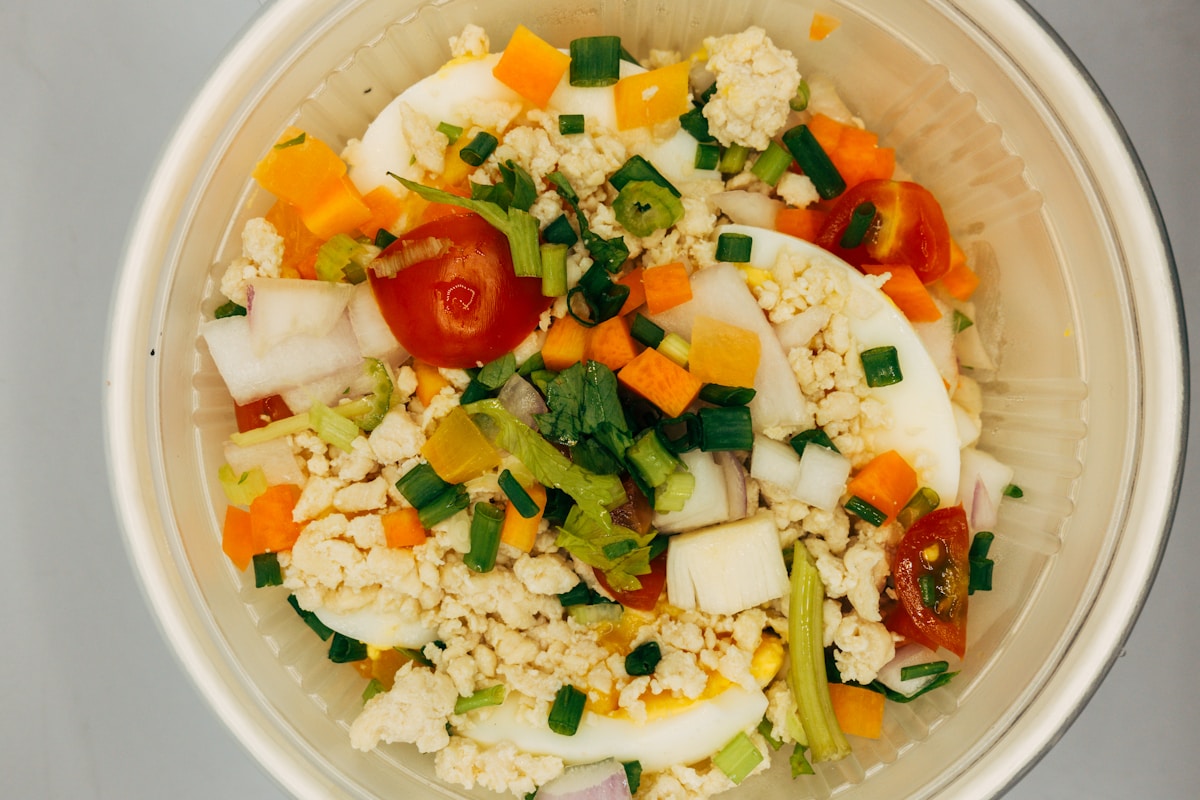
Beatrice here. I know that moment when you open the pantry, see the bag of rice and the can of beans, and then remember you’re trying to cut carbs. It can feel like your favorite comfort meal is off the table. But it doesn’t have to be. There are plenty of cheap low-carb alternatives to beans and rice that still give you that satisfying bowl without spiking your blood sugar. Let’s look at seven budget-friendly swaps that work for the whole family.
Key Takeaways:
- Swap white rice for cauliflower rice, konjac rice, riced broccoli, or cabbage rice for 1–5g net carbs per cup.
- Replace beans with black soybeans, lupini beans, green beans, edamame, or crumbled tofu for 2–4g net carbs per serving.
- Buy frozen cauliflower rice in bulk and use store-brand canned beans to save money.
- Always season cauliflower rice well and pair bean substitutes with a protein source for balanced meals.
Why Cut Carbs on Beans and Rice?
A half cup of cooked white rice has about 22 grams of net carbs. The same amount of cooked black beans has around 15 to 20 grams. Together, that’s roughly 37 to 42 grams of net carbs for a simple beans and rice bowl. For someone managing diabetes or following a low-carb diet, that can use up most of your daily carb allowance in one meal. That doesn’t mean you have to give up the comfort. The goal is to find affordable swaps that mimic the same texture, volume, and satisfaction without raising blood sugar. These swaps let you keep your favorite recipes — just with a lower carb profile.
1. Best Low-Carb Rice Substitutes
Cauliflower Rice — 3 grams net carbs per 1 cup. It is the most popular swap for a reason. To avoid sogginess, spread fresh or thawed frozen riced cauliflower on a towel and press out excess moisture. Then sauté in oil over medium-high heat for about 5 minutes. Season generously with garlic powder, onion powder, salt, and herbs. It picks up flavors beautifully.
Konjac (Shirataki) Rice — Less than 1 gram net carbs per serving. Rinse the rice very well under cold water to remove the natural brine smell. Then dry-fry it in a nonstick pan over medium heat for 2 to 3 minutes to improve texture. Overcooking can make it rubbery, so watch the time. It works well in stir-fries and as a neutral base for saucy dishes.
Riced Broccoli — About 5 grams net carbs per cup. It has more fiber than cauliflower rice and a slightly stronger flavor. You can buy it frozen or make your own from broccoli stems. It holds up well in casseroles and grain bowls.
Cabbage “Rice” — Finely shred green cabbage and sauté in oil with salt and pepper. It cooks down into tender, rice-like pieces. A whole head costs under a dollar and can yield several servings. This is one of the cheapest low-carb rice substitutes you can make.
2. Best Low-Carb Bean Substitutes
Black Soybeans — Only about 2 grams net carbs per half cup. These are the closest texture to traditional black beans. They are available canned in many grocery stores and are often found for around $1.50 per can. Rinse them before using. They work in soups, salads, and as a side.
Lupini Beans — About 4 grams net carbs per half cup (rinsed). They have a firm, briny texture and a slightly bitter skin. Most are sold jarred or canned in brine. To reduce bitterness, soak them in fresh water for a few hours or rub off the skins. They are great in salads or as a snack.
Green Beans — About 4 grams net carbs per 1 cup of cooked green beans. Fresh or canned, they are inexpensive and easy. Chop them into small pieces to mimic the size of beans. Pair them with seasoning and a protein for a filling side.
Edamame (Shelled) — About 4 grams net carbs per half cup. While higher in carbs than other options, edamame offers good protein and fiber. Use it as a side or toss into a bowl for added texture.
Crumbled Tofu — Scramble firm tofu with taco seasoning to create a refried bean-like texture. A half-cup serving has about 2 grams net carbs. It also adds protein and a creamy consistency when mashed slightly.
3. Budget-Friendly Tips for Low-Carb Staples
Buy frozen cauliflower rice in bulk bags. It is often cheaper per serving than fresh and stays good for months. Check store-brand canned black soybeans and green beans; they are often available for around $1.50 per can or less. Make your own riced broccoli from leftover broccoli stalks instead of buying pre-riced versions. Use cabbage as a base — it costs pennies per serving and can replace both rice and beans in many dishes.
4. How to Build a Satisfying Low-Carb Bowl
Start with a base of cauliflower rice or cabbage “Rice” (about 1 cup). Add a bean substitute: black soybeans, crumbled tofu, or lupini beans (about half cup). Include healthy fats like avocado slices, shredded cheese, or a drizzle of olive oil. For flavor, use salsa, hot sauce, cumin, smoked paprika, or fresh cilantro. Keep portion sizes in check. Even low-carb swaps add up, so measuring is helpful.
5. Common Mistakes to Avoid
Not seasoning cauliflower rice. It is bland on its own. Always add salt, fat, and aromatics. Overcooking konjac rice — it can turn rubbery if cooked more than 3 minutes. Forgetting protein. Most bean substitutes (except black soybeans) are lower in protein than real beans. Pair them with eggs, chicken, or tofu for a balanced meal. Skipping portion control. Even low-carb items contribute to daily carb totals. Use measuring cups for accuracy.
Frequently Asked Questions
Can I eat quinoa on a low-carb diet? Quinoa has about 17 grams net carbs per half cup cooked. It is not low-carb, but a small serving can fit occasionally if your carb budget allows.
Are canned green beans a good swap for beans and rice? Yes. They are low in carbs and affordable. However, they lack the protein and fiber of regular beans. Pair them with a protein source for a balanced meal.
How do I store prepped cauliflower rice? Store uncooked riced cauliflower in an airtight container in the fridge for up to 4 days, or freeze for up to 3 months. Cook batches ahead for quick weeknight bowls.
Disclaimer: This article provides general nutritional information and is not a substitute for personalized medical advice. Consult your doctor or dietitian before making significant dietary changes.