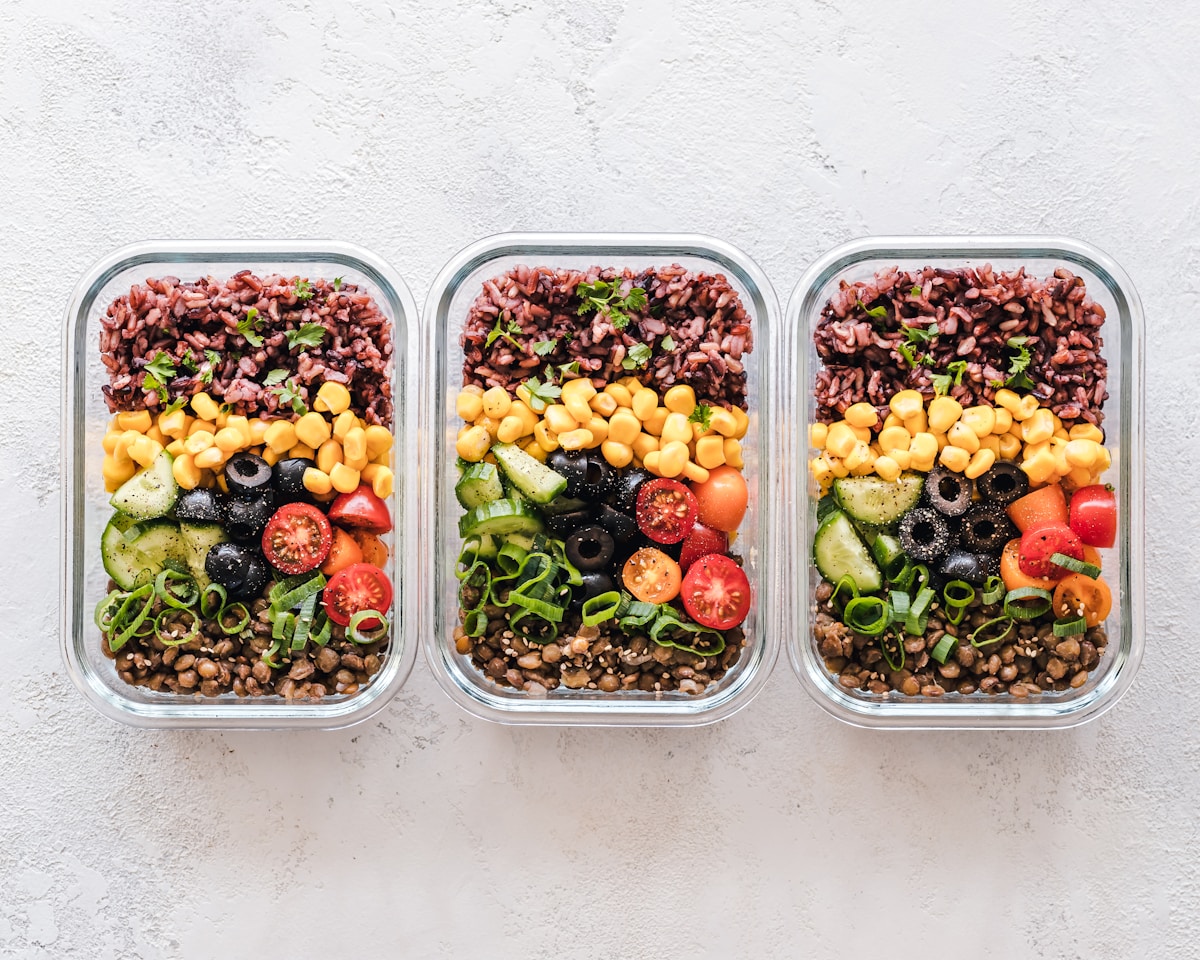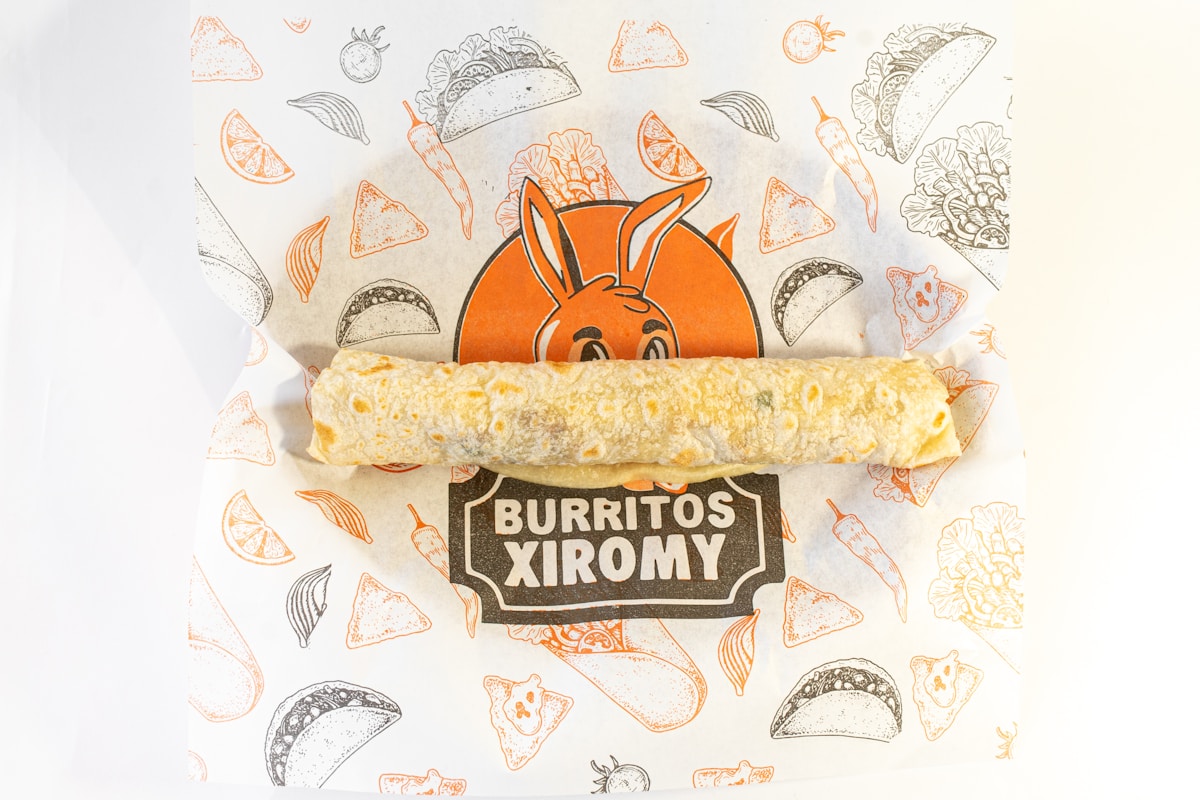
The dinner rush can make a freezer full of individually wrapped burritos feel like a small miracle—until one comes out wet, split, or bland. The fix is not expensive ingredients. For cheap freezer burritos that stay satisfying, use thick fillings, let them cool safely, keep wet toppings out, wrap tightly, and choose a reheating method that suits the texture you want.
Key Takeaways
- Use sturdy, relatively dry fillings such as thick beans, cooked chicken, cheese, cabbage, and well-drained vegetables.
- Cool cooked filling promptly and safely before wrapping so trapped steam does not soften the tortillas.
- Keep salsa, sour cream, avocado, fresh tomato, and other wet toppings separate until serving.
- Wrap burritos individually, freeze them in a single layer first, then stack them once firm.
- Microwave for speed, or microwave first and finish in a skillet, oven, or air fryer for a crisper tortilla.
Start With a Low-Cost, Freezer-Friendly Burrito Formula
A dependable freezer burrito meal prep session starts with filling ingredients that are affordable and not overly wet. Large flour tortillas, beans, a modest amount of cooked chicken, cheese, onion, cabbage, lime, and taco-style seasoning create a flexible base that can stretch leftovers into easy meals.
For 8 to 10 burritos, gather roughly:
- 8 to 10 large burrito-size flour tortillas
- 2 cans pinto or black beans, drained
- 2 to 3 cups cooked shredded chicken
- 1 1/2 to 2 cups shredded cheese
- 2 to 3 cups finely sliced cabbage or another well-drained cooked vegetable
- 1 small onion, cooked until soft and mostly dry
- Lime juice, chili powder, cumin, garlic powder, salt, and pepper
Treat this as a formula, not a rigid recipe. If chicken is limited, add more seasoned beans. For meatless burritos, use beans and cheese with cooked lentils or extra vegetables for a hearty bulk burrito filling.
Budget chicken burritos are a practical use for leftover roast chicken, rotisserie chicken, or cooked chicken thighs. Dark meat can be especially forgiving after reheating. Instead of trying to fill every burrito with chicken, combine a smaller amount with flavorful beans so each portion still feels substantial.
Cabbage is especially useful because it is inexpensive, sturdy, and less watery than salad greens. Cooked bell peppers, corn, carrots, zucchini, and spinach can also work, but remove excess moisture first. Avoid delicate raw greens and vegetables that release lots of water.
For a simple filling, cook onion in a little oil until soft. Add chicken, beans, and seasonings, then stir until the mixture is thick rather than saucy. Add lime sparingly and taste before cooling. Seasoning the chicken and beans well is what keeps a low-cost filling from tasting flat.
Prevent Soggy Freezer Burritos Before You Start Wrapping
Most soggy freezer burritos begin with trapped steam or loose filling. When a steaming-hot mixture is wrapped in a tortilla, the moisture condenses inside the package and softens the tortilla during chilling, freezing, and reheating.
Drain canned beans thoroughly. If they still look loose, mash some with a fork or potato masher. They do not need to become smooth; partly mashed beans simply stay in place better than whole beans surrounded by liquid.
Cook onions and vegetables until excess water has evaporated. If you use frozen vegetables, thaw and drain them well before adding them to the filling. Shredded chicken should be seasoned, not coated in a thin sauce.
Keep these ingredients out of freezer burritos whenever possible:
- Salsa or canned tomatoes with lots of liquid
- Sour cream
- Guacamole or avocado
- Fresh tomato
- Undrained cooked vegetables
- Very saucy beans or meat
- Large amounts of hot sauce
Pack those ingredients separately and add them after reheating. They will taste fresher, and the tortilla will stay firmer.
Cool cooked fillings before assembly, but handle that step safely. Divide the filling between shallow containers or spread it on a clean tray so it cools more quickly than it would in a deep bowl. Refrigerate cooked food promptly rather than leaving it at room temperature for extended periods. Freezing preserves properly handled food; it does not make unsafe food safe.
Before rolling, use this readiness check:
- The filling is cool or no longer steaming.
- The beans are thick enough to sit on a spoon.
- The vegetables look dry rather than glossy with cooking liquid.
- The tortillas bend without cracking.
- Salsa, creamy toppings, and fresh garnishes are waiting for serving time.
Use fresh, soft flour tortillas when possible. If a tortilla feels stiff, warm it briefly just until flexible. Do not overheat it, since a hot tortilla can become sticky and tear while you work.
Assemble Cheap Freezer Burritos in a Moisture-Protecting Order
A burrito does not need to be oversized to be filling. Overstuffing causes split tortillas, leaks, and uneven reheating, so leave a generous border around the filling.
Lay one tortilla flat and arrange a narrow strip of filling across the lower middle. Leave about 1 1/2 inches clear at the sides and bottom. A modest layer rolls more tightly and reheats more evenly than a packed burrito.
A practical assembly order is:
- Sprinkle cheese directly on the tortilla.
- Add a spoonful of thick beans.
- Add chicken.
- Add drained cabbage, cooked onion, or another dry vegetable.
- Finish with dry seasoning or a very small squeeze of lime.
The exact order can vary, but this arrangement helps keep the tortilla away from the moistest ingredients. Cheese and thick beans create a useful buffer, while the vegetable portion stays controlled.
To roll, fold the bottom edge over the filling and tuck it snugly. Fold in both sides, then continue rolling into a compact cylinder. Set the burrito seam-side down while you assemble the rest.
Children who are ready for simple kitchen tasks can sprinkle cheese, spoon thick beans, or help label packages. Adults should handle hot pans, sharp knives, and any tight rolling that needs extra pressure.
Try these variations while following the same moisture-control rules:
- Chicken and pinto bean: Chicken, mashed pinto beans, cheese, onion, and cabbage.
- Bean and cheese: Thick black beans, cheese, cooked onion, and cumin.
- Chicken and cabbage: Chicken, beans, cheese, sautéed cabbage, and lime.
- Lentil stretch: Replace part of the chicken with cooked, well-drained lentils seasoned with chili powder and garlic.
How to Freeze Homemade Burritos for Easy Meals Later
Once the burritos are rolled, wrap them individually. Parchment paper makes a useful first layer because it prevents sticking. Freezer-safe wrap or foil can also work, but foil must be removed before microwave reheating.
Place individually wrapped burritos in a freezer-safe bag or airtight container for a second layer of protection. Press out as much air as practical before sealing. This helps limit freezer burn and keeps the tortillas from drying out.
Label every package with:
- Filling type
- Freeze date
- A reheating note, such as “microwave then skillet”
Freeze burritos in a single layer on a tray until firm. Then stack them in bags or containers to save space. This prevents sticking and helps them keep their shape.
Keep burritos away from heavy freezer items that could crush them. For best texture, plan to use homemade frozen burritos within about two to three months. Use the oldest packages first, and follow current food-safety guidance for any refrigerated leftovers before freezing.
Reheat Frozen Burritos for Speed, Crispness, or Both
The most important goal is a thoroughly hot center. Reheat leftovers to 165°F, checking the middle of larger burritos carefully. Heating time varies with burrito size, filling density, microwave wattage, and appliance performance.
For microwave reheating, remove all foil. Place the burrito on a microwave-safe plate and cover loosely. Heat in short intervals, turning halfway through if needed, until the center is hot. Let it rest for a minute before eating so the heat can finish distributing.
The microwave is the fastest option, but it produces the softest tortilla. That tradeoff is often worthwhile for quick lunches and busy mornings.
For oven reheating, place the burrito on a baking tray using an oven-safe wrapping method, or bake it unwrapped for a drier exterior. A moderate oven gives the center time to heat before the tortilla becomes too dark. Uncover near the end if needed for added crispness, then confirm that the filling is hot all the way through.
For a skillet finish, microwave the burrito first until the center is mostly hot. Then place it seam-side down in a lightly oiled skillet over medium-low heat. Turn carefully until both sides are crisp. Starting with a fully frozen burrito in a skillet can brown the outside before the filling is hot.
An air fryer can crisp the tortilla with less hands-on work. Start with a moderate setting, turn the burrito partway through, and check the center before serving. If the tortilla is browning too quickly, lower the heat or microwave briefly before air frying.
Serve salsa, sour cream, avocado, fresh tomato, pickled onions, hot sauce, and extra lime after reheating. These toppings add freshness without soaking the tortilla in the freezer.
Fix Common Freezer Burrito Problems
The burrito is soggy: Use thicker beans, drain vegetables thoroughly, cool fillings before wrapping, and serve salsa separately. Reduce the filling slightly if the burritos are packed very full.
The tortilla split: Use fresh flour tortillas and warm them only until flexible. Leave a clear border, avoid overfilling, and tuck firmly before rolling.
The filling is dry or bland: Season beans and chicken separately. Add cheese, a little oil when cooking onions, or a small squeeze of lime. Add sauces after reheating rather than freezing them inside.
The burrito leaked: Keep filling in a narrow strip, use a little less of it, and make the first tuck snug. Freeze burritos seam-side down.
The burrito has freezer burn: Double-wrap it, remove excess air from the outer bag, label every package, and use older burritos first.
FAQ Cheap Freezer Burritos
What fillings should I avoid in freezer burritos so they do not get soggy?
Avoid wet toppings such as salsa, sour cream, guacamole, fresh tomato, and undrained vegetables. Thick beans, cheese, cooked chicken, cabbage, and well-drained vegetables are more reliable freezer choices.
Can I freeze burritos made with leftover cooked chicken and canned beans?
Yes, provided the leftovers were handled and refrigerated safely. Drain and thicken the beans, cool the filling promptly before wrapping, and reheat the finished burrito until the center reaches 165°F.
What is the best way to reheat frozen burritos when I want a crispy tortilla?
For most families, the easiest approach is microwave first, then finish in a skillet or air fryer. The microwave heats the center efficiently, while the second step improves the outside texture.