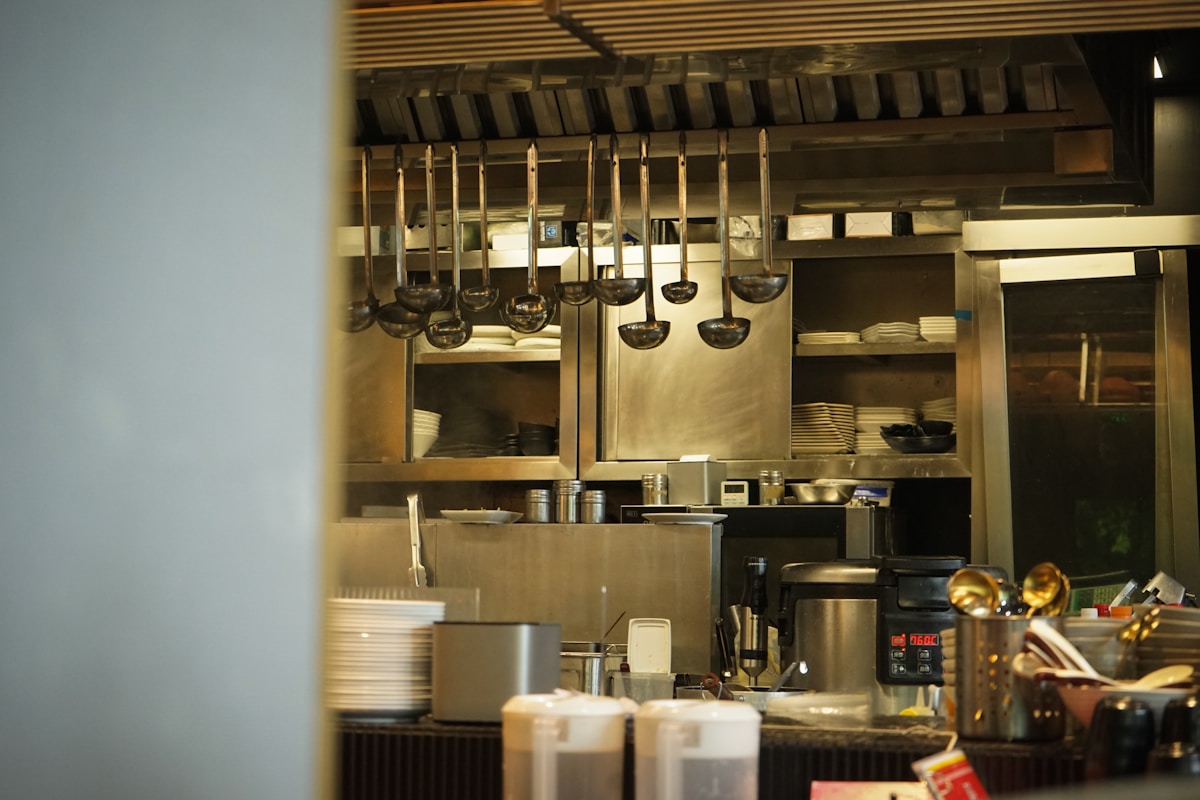
Every serious baker has had the dream. You’re pulling out your tenth tray of cookies, waiting for the oven to preheat again, and you think, “If only I had a real oven.” You picture a gleaming stainless steel beast, a deck oven with a stone hearth that could hold six loaves of sourdough at once, or a convection oven that bakes four sheet pans to golden perfection without any hot spots.
The temptation is real. You see used commercial ovens online for what seems like a steal and start measuring the wall in your kitchen. But before you hire a moving crew, we need to have a serious talk. I’ve seen this ambition in many home bakers, and as your friendly gear reviewer, my job is to separate the dream from the potentially dangerous and wildly expensive reality.
The Big Three Hurdles: Heat, Power, and Air
Installing a commercial oven isn’t like upgrading your refrigerator. It’s a major construction project that brings three significant challenges into a residential space. Commercial kitchens are built with concrete floors and steel walls for a reason.
-
Uninsulated Heat: Your home oven is wrapped in thick layers of insulation. This keeps the heat inside, making it efficient and safe to touch. It also protects your wooden cabinets from, well, catching fire. Commercial ovens have minimal insulation. They are designed to be workhorses in open, fire-resistant kitchens. Install one next to standard kitchen cabinetry, and you create a severe fire hazard. It will also radiate an immense amount of heat, turning your kitchen into a sauna (and not the good kind) and skyrocketing your cooling bills.
-
Serious Power Demands: You can’t just plug a commercial oven into a standard wall outlet. An electric model typically requires a 220V or 240V dedicated circuit, similar to an electric dryer but often with a higher amperage. A gas model needs a much larger gas line than the one feeding your home range to supply enough BTUs. This means hiring an electrician and/or a plumber for a costly and invasive installation.
-
Ventilation is Non-Negotiable: This is the biggest dealbreaker. Because of the intense heat and potential for grease-laden vapor (especially with convection ovens), you absolutely cannot use a standard residential range hood. You will need a commercial-grade ventilation hood, likely a Type I hood, which includes fire suppression systems. These systems are enormous, loud, and require professional installation that often involves cutting through your ceiling and roof. They are also incredibly expensive, often costing more than the oven itself.
Why Do People Want Them Anyway?
So with all those terrifying drawbacks, why does the dream persist? Because when they work, they work magic. There are three key performance advantages that make bakers swoon.
- Massive Capacity: The ability to bake an entire batch of dough or cookies at once is a game-changer for anyone running a small cottage food business from home. No more baking in endless shifts.
- Incredible Heat Retention: Commercial deck ovens, with their thick stone hearths, lose very little heat when you open the door. This means a more stable baking environment and better oven spring for breads. Your home oven can lose 50-100°F (28-56°C) in seconds.
- Powerful Steam Injection: This is the holy grail for artisan bread bakers. True commercial ovens have built-in steam injectors that create the perfect humid environment for the first 10-15 minutes of baking. This keeps the crust soft, allowing the loaf to expand fully, resulting in that beautiful, crackly crust and open crumb. Trying to replicate this in a home oven is a constant struggle.
The True Cost of Going Pro at Home
That “deal” you saw on a used deck oven for $1,500 is just the entry ticket. The real cost is in making your home compatible with it. Here’s a rough, and conservative, estimate of the associated costs:
- Oven: $1,500 - $5,000 (used)
- Commercial Hood & Fire Suppression System: $4,000 - $10,000+
- Professional Installation (HVAC, Electrical, Gas): $3,000 - $8,000+
- Permits & Inspections: $500 - $2,000
- Kitchen Modifications (drywall, structural support): $1,000 - $5,000
Suddenly, your bargain oven is a $10,000 to $30,000 kitchen renovation. And that’s before you even consider that it might violate your homeowner’s insurance policy.
Smarter Alternatives for the Ambitious Home Baker
Don’t despair! You don’t have to demolish your kitchen to get better results. There are fantastic, home-friendly options that bridge the gap.
-
Pro-Style Residential Ranges: Brands like Wolf, Thermador, and Viking make 36-inch or 48-inch ranges that offer more space, higher BTUs, and better convection systems than standard appliances. They are built and insulated for home use. They’re pricey, but a fraction of a full commercial install.
-
High-Performance Countertop Ovens: For specific tasks, these are amazing. The Anova Precision Oven offers controllable steam injection that is perfect for bread. For pure, roaring heat for pizza and flatbreads, an Ooni or Gozney pizza oven is unbeatable.
-
My Favorite Kitchen Hack: The Faux Deck Oven: You can get 80% of the way to a commercial deck oven’s performance in your current oven. Place a thick baking steel on the middle rack and a cast-iron skillet on the floor of the oven. Preheat to 500°F (260°C) for a full hour. When you load your bread, carefully pour one cup of boiling water into the hot skillet and quickly shut the door. The massive thermal energy of the steel will give your bread an incredible lift, and the burst of steam will give you a beautiful crust. (Please use heavy-duty oven mitts for this!)
My Final Verdict: Is It Worth The Trouble?
For 99.9% of home bakers, installing a true commercial oven is simply not worth the immense cost, risk, and disruption. It’s an industrial tool designed for an industrial environment. The dream of perfect bread can quickly turn into a nightmare of code violations, fire hazards, and a drained bank account.
My advice? Invest that energy and money into a top-tier residential appliance or a specialized countertop oven. Master the techniques, like the baking steel and steam method, that elevate your current setup. The right tool makes cooking easier, but forcing the wrong tool into the wrong environment just makes everything harder. Your kitchen should be a place of joy, not a construction zone.