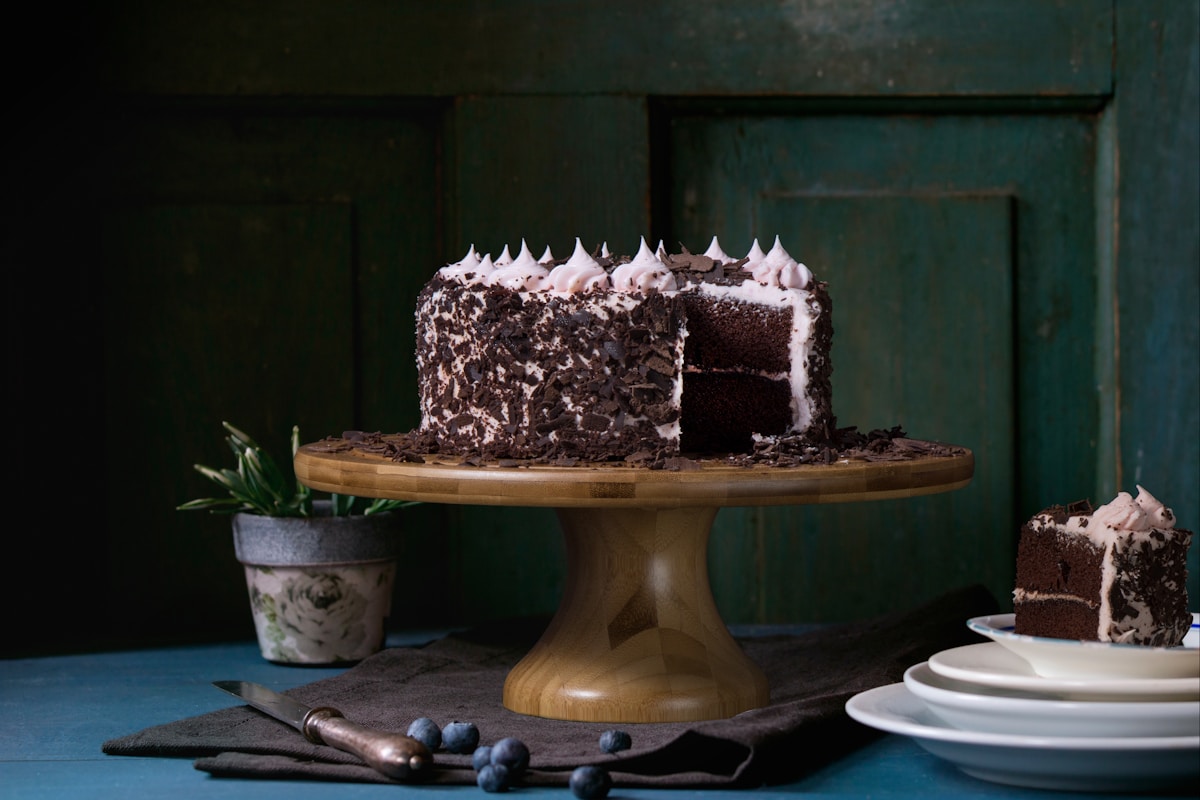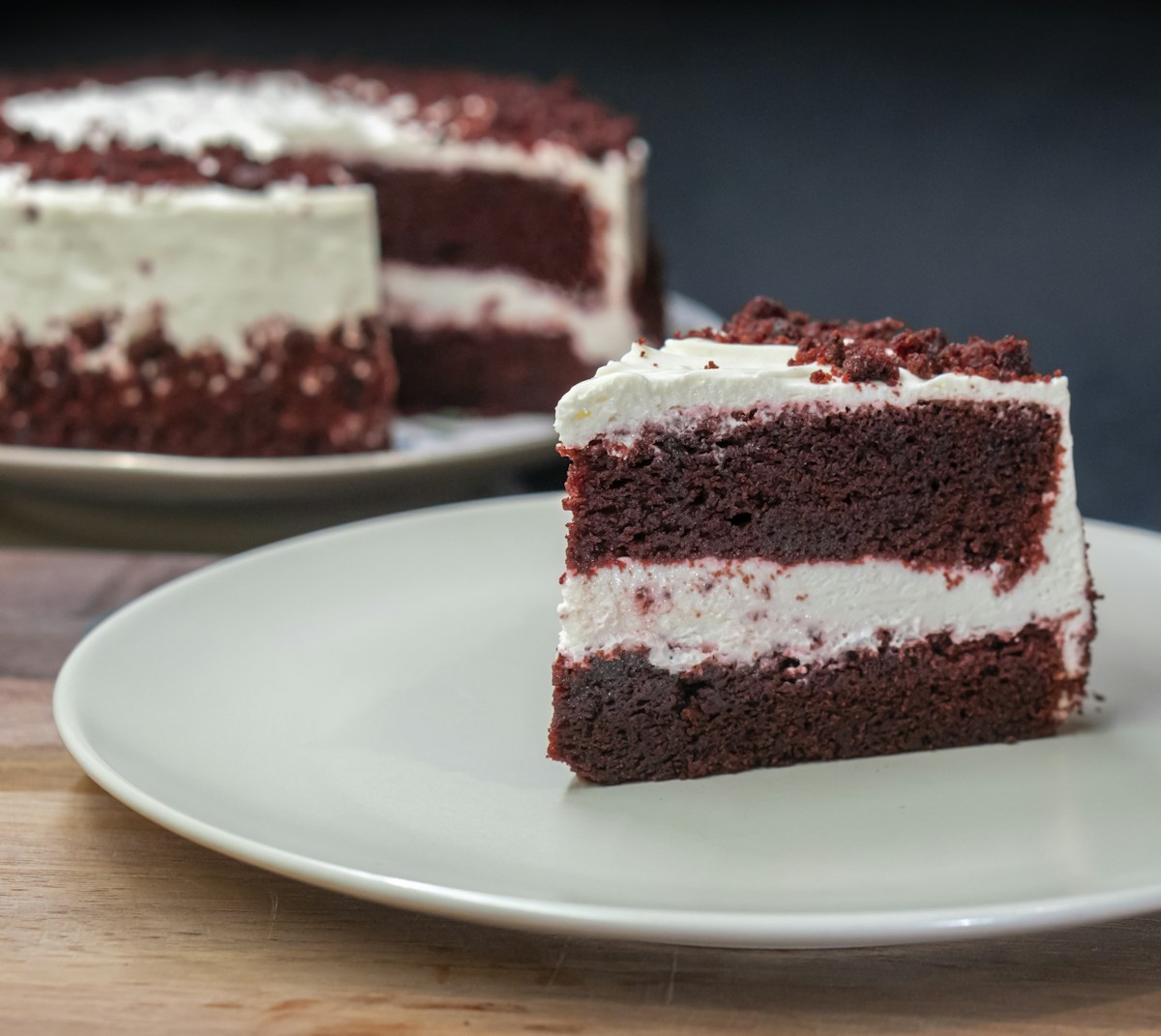
You open your pantry, see that bottle of red food coloring, and glance at your friend’s favorite shade of blue. A lightbulb goes off: why not make a blue velvet cake? It seems simple enough—just swap the red dye for blue, right? But if you’ve ever tried this shortcut, you know the disappointment of pulling a cake out of the oven that looks more swampy than sky. That “blue” can turn into a murky green or a sad gray. What gives? Let’s dive into the chemistry and craft behind a truly vibrant blue velvet cake, so your next batch lives up to that bright, royal vision.
Why Red Velvet Is Red
Classic red velvet gets its signature color from a chemical dance. Cocoa powder contains anthocyanins—natural pigments that shift color depending on acidity. When you mix cocoa with acidic ingredients like buttermilk and vinegar, those anthocyanins turn a deep red. That’s why traditional recipes use a modest amount of cocoa (usually natural, not Dutch-process) plus a splash of vinegar and buttermilk. The reaction is delicate: too little acid and the color stays brown; too much and it can become almost purple. Red velvet’s hue is not purely from food coloring; the natural reaction does a lot of the work, with a bit of red dye added to boost and stabilize. That’s also why the crumb is so tender—the buttermilk and oil create a moist, fine texture that’s unmistakable.
The Challenge of Going Blue
When you replace red dye with blue, you lose that built-in anthocyanin boost. Blue anthocyanins? They don’t exist in cocoa in any useful amount. The cocoa’s natural brown undertones will fight any blue you add. And because the batter is acidic (from buttermilk and vinegar), blue food colorings can react unpredictably. Standard liquid blue dye often fades or shifts green during baking because heat breaks down the unstable blue molecules. The result: a cake that looked promising in the bowl but emerges from the oven with a greenish tint. This is exactly what happened to the Reddit baker who tried the simple swap—and it’s why commenters rushed to offer better solutions.
Choosing the Right Coloring
Your number one tool for blue velvet is gel-based food coloring. Liquids are too weak and unstable. Gels are concentrated, heat-stable, and designed for deep shades. Two brands dominate the conversation: Americolor and Wilton. Americolor’s “Sky Blue” is a bright, clean blue that performs beautifully in cake batters. Wilton’s “Royal Blue” is a richer, deeper hue. For a true “blue velvet” that stands out, many professional bakers recommend using a combination: start with Royal Blue for depth, then add a tiny drop of violet gel to neutralize any greenish undertones. Yes, violet. A minuscule amount (barely a speck on a toothpick) will shift the blue away from green and toward a more vibrant cobalt. This trick is straight from the color wheel: blue and green are close, but adding a touch of its complement (violet) cancels the green. (Your future self will thank you.)
Avoiding the Green Tint
Even with the right gel, the batter itself can sabotage your blue. Overmixing is a common culprit. Cocoa’s natural yellow-brown pigments become more pronounced when you work the batter too vigorously. Those tones mix with blue and produce green. The fix: mix just until the dry ingredients are incorporated—no more. Also, consider reducing the cocoa slightly. Standard red velvet calls for 1–2 tablespoons of cocoa per 2 cups of flour. For blue velvet, try 1 tablespoon of natural cocoa (not Dutch-process) to minimize brown interference. Some bakers even go with white velvet (omitting cocoa entirely) for a pure blue, but that sacrifices the subtle chocolate flavor that makes velvet cakes special. A better compromise: use a tiny amount of cocoa, and be gentle.
Another trick: add the blue gel to the buttermilk and vinegar mixture first, stirring until fully dissolved, before combining with the dry ingredients. This ensures even distribution and prevents streaks. And always test your color intensity before committing the whole batch. Divide the batter into a few small bowls and add different amounts of blue to see which shade bakes truest. Professional bakers do this religiously—it saves a whole cake from turning teal. Bake a small tester muffin or cupcake first. If it comes out greenish, you need more violet or a different blue base. (Yes, really—a 5-minute tester can save you an hour of heartache.)
Recipe Adaptation
Here’s a straightforward adaptation of a classic red velvet recipe for blue velvet, tested by the Reddit community and baking pros.
Ingredients (for two 9-inch rounds or 24 cupcakes):
- 2 ½ cups (300g) all-purpose flour (King Arthur Flour works great)
- 1 tablespoon natural cocoa powder (like Hershey’s Natural Unsweetened)
- 1 teaspoon baking soda
- 1 teaspoon salt
- 1 ½ cups (300g) granulated sugar
- 1 cup (240ml) vegetable oil (canola or sunflower)
- 2 large eggs, room temperature
- 1 cup (240ml) buttermilk, room temperature
- 1 teaspoon vanilla extract
- 1 ½ teaspoons white vinegar
- Blue gel food coloring: start with 1 teaspoon of Americolor Sky Blue, plus a tiny dab of violet gel (Americolor Violet) on a toothpick
Instructions:
- Preheat your oven to 350°F (175°C). Grease and flour your pans or line cupcake tins.
- In a medium bowl, whisk together flour, cocoa, baking soda, and salt.
- In a large bowl (or stand mixer with paddle attachment), beat sugar and oil until combined. Add eggs one at a time, beating after each. Stir in vanilla.
- In a small bowl or liquid measuring cup, whisk buttermilk with vinegar. Add the blue gel (and violet dab) to the buttermilk mixture and stir until the color is completely dissolved. It should look like a deep, vibrant blue—remember it will lighten slightly with flour.
- Alternate adding the dry ingredients and the buttermilk mixture to the sugar-oil mixture, starting and ending with flour. Mix on low just until combined. Do not overmix. Scrape the bowl once.
- Divide batter evenly among pans. Bake for 25–30 minutes (18–20 for cupcakes) or until a toothpick inserted in the center comes out clean. Cool in pans for 10 minutes, then turn onto racks.
- For frosting, a classic cream cheese frosting (8 oz cream cheese, 1 stick butter, 4 cups powdered sugar, 1 tsp vanilla) pairs beautifully. The white frosting against the blue cake creates that iconic velvet contrast.
Pro Tips for Stunning Blue Velvet
- Temperature matters: Bring your eggs and buttermilk to room temperature before mixing. Cold ingredients can cause the batter to seize, leading to uneven color.
- Use a digital scale: Weigh your flour for consistent results. For King Arthur Flour’s all-purpose, 1 cup = 120g. Too much flour will dry the crumb and dull the color.
- Layer your color: If you want an even deeper blue, add a second layer of blue gel after the batter is mixed. Stir gently until streaks disappear.
- Bake at the right temp: 350°F (175°C) is standard. Higher heat can brown the edges and affect hue. If your oven runs hot, drop to 325°F (165°C) and bake a bit longer.
- Acidity adjustment: Since you’re not relying on the anthocyanin reaction, you can reduce the vinegar slightly (to 1 teaspoon) to avoid any extra tang that might clash with the blue. Buttermilk is enough for tenderness.
The Bottom Line
Blue velvet cake is absolutely doable—and stunning when done right. The key is accepting that it’s a different beast from red velvet, chemically speaking. You can’t just swap the color and hope for the best. Use high-quality gel food coloring (Americolor Sky Blue plus a dab of violet), mix gently, reduce cocoa slightly, and always test your shade before the full bake. That Reddit post? The baker ended up with a gorgeous blue velvet cake by following the commenters’ advice. You can too. So grab your buttermilk, preheat the oven, and get ready to wow your friends with a cake that stays true blue from bowl to plate. (Your future self will thank you.)