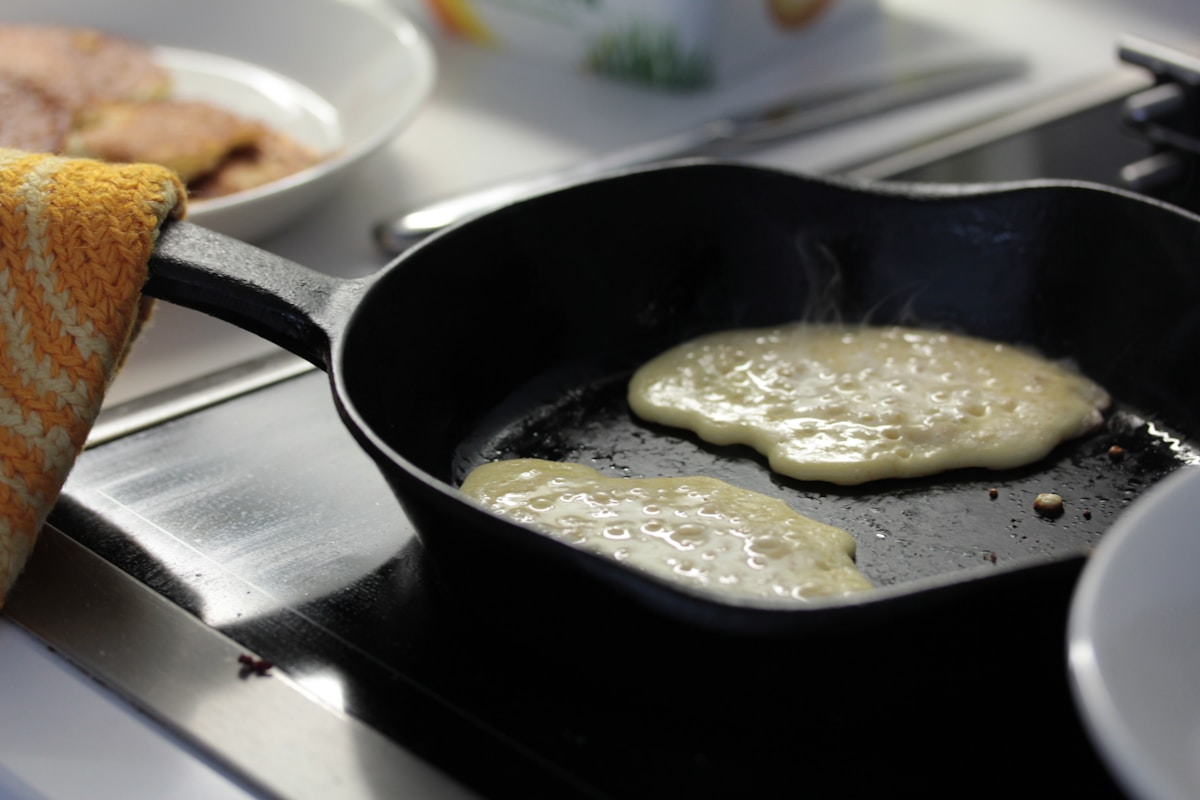
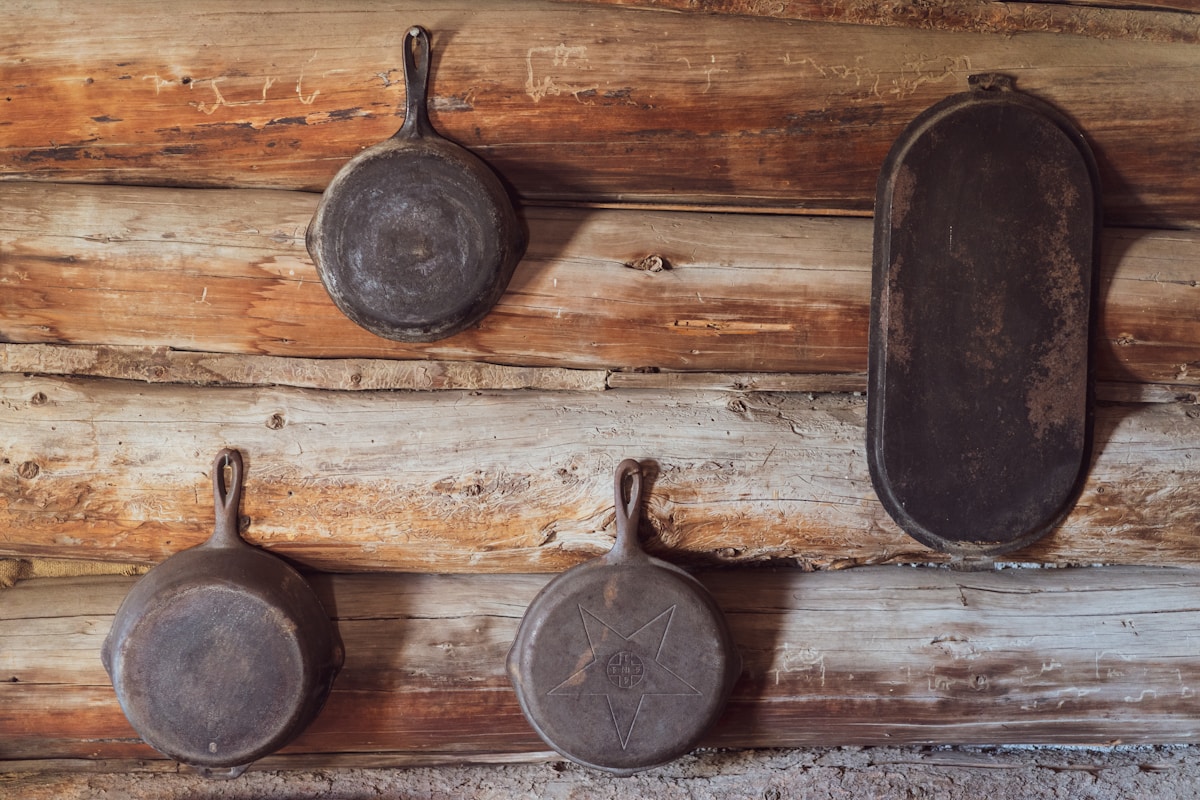
You are halfway through browning chicken and onions when the pan starts to look crowded. Ingredients pile up, release moisture, and dinner takes longer than planned.
That is often a size problem, not a cast iron problem. For many kitchens, the best cast iron skillet size is either 10 inches or 12 inches. A 10-inch pan is easier to maneuver for smaller meals, while a 12-inch skillet offers more room for family dinners, browning, and leftovers. An 8-inch skillet is useful, but it is usually better as a companion pan than as the only skillet in a household.
Key Takeaways
- A 10-inch skillet is a flexible everyday choice for one or two people and smaller cooking tasks.
- A 12-inch skillet is often more useful for family meals, leftovers, and recipes that need open browning space.
- Advertised skillet diameter is not the same as flat cooking surface; compare interior base measurements when available.
- Weight, helper handles, burner fit, and storage space can matter as much as capacity.
- Two smaller skillets can be more practical than one oversized pan when you often cook separate components at once.
Start with the best size for the meals you actually cook
The right skillet fits your regular meals, stove, storage space, and comfort level when the pan is full. Bigger is not automatically better. A large skillet can be helpful for browned meat, roasted vegetables, and one-pan dinners, but it may feel unnecessary if you mostly fry eggs, make grilled sandwiches, or cook smaller portions.
Use this quick starting point:
- Choose an 8-inch skillet for small portions, side dishes, a few eggs, and compact baking projects.
- Choose a 10-inch skillet for flexible daily cooking for one or two people, plus smaller family tasks.
- Choose a 12-inch skillet for family meals, batch cooking, leftovers, and recipes that need room for browning.
Think about your last several dinners before buying. If they were mostly eggs, sautéed greens, two pieces of fish, or reheated leftovers, a 10-inch skillet may be the pan you reach for most. If they involved browning a larger amount of ground meat, cooking chicken with vegetables, or making a complete skillet meal, the extra space of a 12-inch pan may be worth its added bulk.
A useful question is whether you regularly cook in batches because your current pan becomes crowded. If so, moving up a size can make dinner flow more smoothly. But if you avoid your largest pan because it feels heavy, difficult to wash, or awkward to store, a smaller skillet may offer better day-to-day value.
Why nominal diameter is not the same as usable cast iron cooking surface
A skillet labeled 10 inches or 12 inches is generally measured across the top opening, not across the flat area where food contacts the pan. The flat cooking surface is smaller than the rim diameter, and that base area determines how much room you have to sear, fry, and brown.
Cast iron skillets also have sloped sides. The curve where the base meets the sidewall reduces the available room for flat foods such as burgers, cutlets, bacon, or diced vegetables. Taller walls can help contain a saucy dish or cornbread batter, but they do not add more browning room at the bottom.
Two pans with the same advertised diameter can feel different in use. One may have a wider flat base, deeper sides, a longer handle, or more overall weight. Those differences affect whether the skillet fits your burner, cabinet, oven rack, and usual cooking routine.
Before buying, compare product specifications for these details rather than relying on rim diameter alone:
- Interior flat cooking-surface diameter
- Overall rim diameter
- Pan depth and sidewall shape
- Total weight
- Overall length, including the main handle
- Presence and shape of a helper handle
- Manufacturer guidance for stove and oven use
The practical crowding test matters more than the size printed on the label. When browning, ingredients need enough open contact with the hot surface. If meat or vegetables are packed into a pile, they can release moisture and cook in that moisture before developing much color. More surface area does not guarantee identical results on every stove, but it gives you more room to avoid crowding.
8-inch vs. 10-inch vs. 12-inch cast iron: everyday jobs compared
Here is how these common sizes typically fit into an everyday kitchen. Household fit is only a planning guide because recipes, ingredient volume, and portion preferences vary.
| Skillet size | Good everyday jobs | Likely household fit | Handling and storage | When it feels limiting |
|---|---|---|---|---|
| 8-inch | A few eggs, grilled sandwiches, small cornbread, reheating a side dish | One person or two light portions | Compact and generally easier to store | Complete meals, meat, and vegetables crowd the base quickly |
| 10-inch | Eggs, sautéed vegetables, a few portions of protein, skillet cookies, modest cornbread | One or two people; smaller family tasks | A practical middle ground for sink, oven, and cabinet use | Larger one-pan dinners may require batches |
| 12-inch | Browned meat, roasted vegetables, larger cornbread, family skillet meals | Families, leftovers, regular batch cooking | Needs more cabinet room and can feel cumbersome when full | Can feel oversized for a small lunch or quick breakfast |
8-inch skillet: the compact specialist
An 8-inch skillet is useful when you cook small amounts often. It works well for a few eggs, a grilled sandwich, a small vegetable side, or a compact cornbread. It can also serve as a second pan while a larger skillet handles the main part of dinner.
Its main advantage is manageability. A smaller pan takes up less room on a burner, in the oven, and in the cabinet. It is also generally easier to wash and move, although any hot cast iron pan should be handled carefully with appropriate heat protection.
The trade-off is limited space. Once you add several pieces of meat or a substantial amount of vegetables, an 8-inch skillet can become crowded quickly. It is usually not the best only skillet for a household that regularly cooks complete meals in one pan.
10-inch skillet: the nimble everyday cast iron pan
For many cooks, a 10-inch skillet is the most balanced everyday cast iron pan. It is large enough for breakfast, a modest sauté, a small batch of seared protein, skillet desserts, and baking projects that do not need a large footprint. It can also feel more manageable when moving a recipe from stovetop to oven.
The 10 inch vs 12 inch cast iron decision often comes down to whether you need browning room or maneuverability more often. A 10-inch pan is efficient when cooking for one or two people or when making a side dish while another pot handles the main meal.
It can start to feel small when you want to brown meat and vegetables together without stacking them, or when a recipe includes protein, vegetables, starch, and sauce in the same skillet. You can still cook those meals in batches, but that adds time and dishes. If this happens often, a 12-inch skillet may be the better primary pan.
12-inch skillet: the family-size cast iron skillet
A 12-inch skillet is often the practical family-size cast iron skillet because it gives ingredients more breathing room. It is useful for browning a larger amount of meat, roasting vegetables, baking a broad layer of cornbread, or building a one-pan dinner with planned leftovers.
That extra room matters most during the first stage of cooking. You can spread ingredients across more of the pan instead of piling them in the center. For recipes where browning adds flavor, the wider cooking surface can be more useful than extra depth.
The trade-off is convenience. Cast iron skillet weight can be noticeable before food is added, and a full 12-inch pan may be more demanding to transfer, wash, and store. Check whether the helper handle allows a comfortable two-handed grip and whether the pan fits your oven rack and cabinet without awkward shuffling.
Match skillet size to household size, meal style, and kitchen setup
For one or two people, a 10-inch skillet is often a sensible primary choice. It handles daily meals without taking over the stove or cabinet. Add an 8-inch skillet if you often cook breakfast items, want a dedicated side-dish pan, or like having two pans going at once.
A 12-inch skillet may make more sense for families and cooks who deliberately make leftovers. Consider it if your typical dinner combines browned protein, vegetables, and another component in one pan. It can also be useful when cooking for guests, though some recipes may still require more than one pan.
Batch-prep cooks face a different trade-off. One oversized skillet offers room, but two manageable skillets can be more useful when you want to cook on two burners. For example, one 10-inch pan can brown chicken while another handles vegetables, rather than forcing everything into one large skillet in stages.
Measure before you commit. Check the active area of your main burner and compare it with the skillet’s flat base, not just its upper rim. How a wide skillet performs on a stove depends on burner design, pan construction, and preheating, so it is best not to assume every large pan will behave the same way on every range.
Then check the oven. Pull out the rack you use most and account for the handle length as well as the pan width. You should have enough clearance to place and remove the skillet comfortably.
Finally, consider storage. Measure the cabinet, drawer, or shelf where the skillet will live. A pan that technically fits but requires moving several other items every time may not become your everyday favorite.
Choose the size you will reach for most often
Use this decision guide to narrow the choice:
- Pick an 8-inch skillet if compact cooking, small portions, and easy storage matter more than one-pan capacity.
- Pick a 10-inch skillet if you want a flexible, lighter-feeling pan for regular meals for one or two people.
- Pick a 12-inch skillet if family dinners, browning space, and leftovers matter more than added weight and cabinet space.
- Consider a 10-inch skillet plus an 8-inch or second 10-inch pan if parallel cooking on two burners is more useful than one very large skillet.
The best cast iron skillet size is not the largest pan you can buy. It is the one you can comfortably lift, clean, store, preheat, and use for the meals you actually make. If you hesitate to grab it because it feels too bulky, its extra capacity may not be worth much.
Before purchasing, run through this short checklist:
- Compare the actual flat cast iron cooking surface.
- Check depth for the recipes you make most.
- Review total weight, not just diameter.
- Look for a helper handle if you expect to move full pans.
- Confirm fit on your main burner.
- Confirm oven-rack, cabinet, and handle clearance.
- Read the manufacturer’s care instructions for that specific skillet.
FAQ
Is a 10-inch or 12-inch cast iron skillet better for a family of four?
A 12-inch skillet is often more practical when you want to cook a full family meal in one pan or make planned leftovers. Its larger cooking surface gives ingredients more room. A 10-inch skillet can still work for smaller meals, side dishes, or recipes prepared in batches, but it may feel crowded when protein and vegetables need to brown together.
How much smaller is the flat cooking surface than a cast iron skillet’s listed size?
There is no universal difference. Listed size is typically the top diameter, while the flat interior base is smaller because skillet walls slope outward. Compare each manufacturer’s stated cooking-surface diameter, depth, and overall shape instead of assuming two same-size pans have identical usable space.
Is it better to buy one 12-inch skillet or two smaller cast iron pans?
Choose one 12-inch skillet if your main need is a larger one-pan dinner with plenty of browning room. Choose two smaller pans if you frequently cook separate components at once, prefer easier lifting, or want a compact breakfast pan alongside a medium skillet for dinner. The better setup is the one that matches your burners, storage, and usual meals.