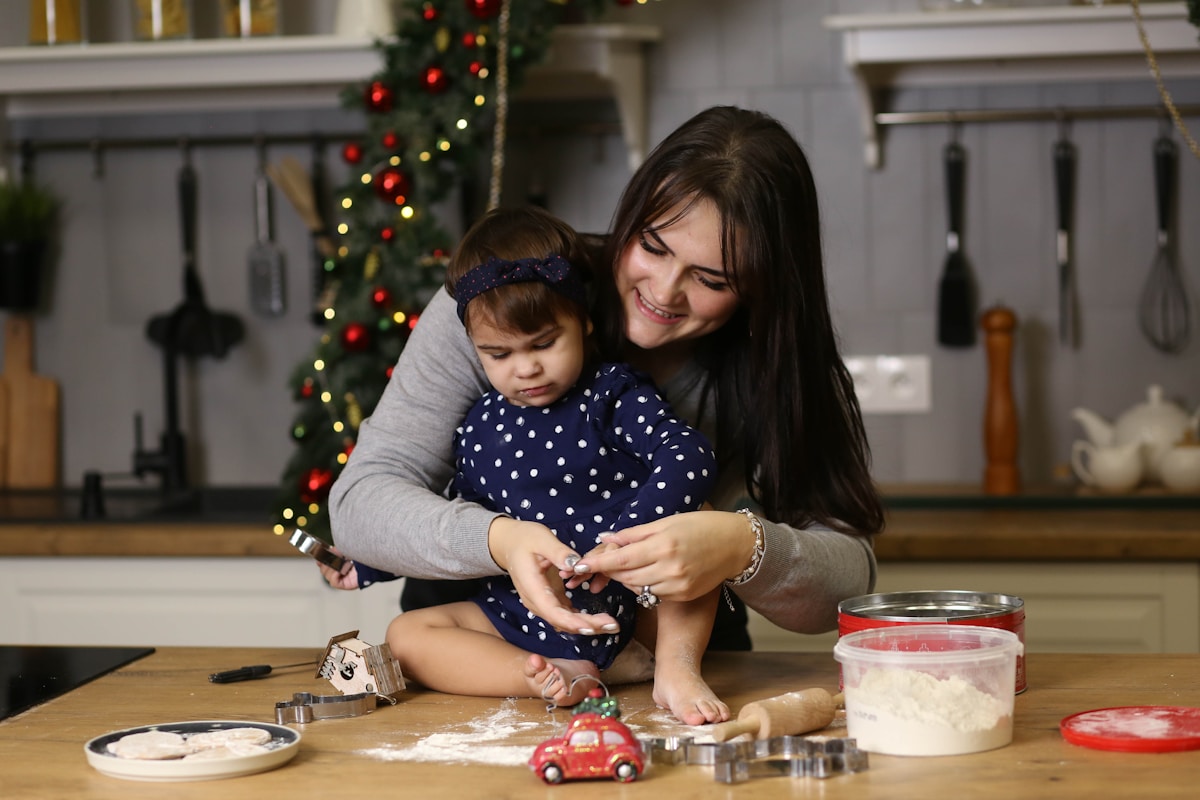
There’s a moment in early parenthood when you realize just how long it’s been since you did something purely for yourself. For many of us, that thing is baking. One Reddit user recently shared a small victory: after a difficult pregnancy and months away from the kitchen, they managed to bake a successful batch of macarons during their 11-week-old’s nap. It was a return to normalcy, a tiny triumph that tasted like hope.
If you’re a new parent wondering whether you can still tackle finicky projects like macarons, the answer is yes — but it requires a new kind of strategy. This article will walk you through practical ways to bake macarons (and other demanding recipes) when your time comes in short, unpredictable bursts.
Why Macarons Are the Ultimate Test of Patience
Macarons are famously temperamental. They demand precise measurements, perfectly whipped egg whites, careful folding, proper piping, and a resting period before baking. The wrong humidity, a speck of grease, or overmixing can turn your beautiful feet into sad puddles. For a sleep-deprived parent, that’s a lot of pressure.
But here’s the good news: the very precision that makes macarons challenging also makes them perfect for baking in stages. You can break the process into baby-friendly chunks. The key is preparation.
Strategy One: Mise En Place Before Baby Wakes
Professional bakers swear by mise en place — having everything measured and ready before you start. For a parent, this is non-negotiable. While your baby is sleeping or content in a carrier, take 15 minutes to:
- Weigh your almond flour and powdered sugar using a digital kitchen scale (like the Escali or OXO). Precision matters: 300 grams almond flour, 300 grams powdered sugar.
- Sift them together into a clean bowl. Any lumps will ruin the smooth tops. (A fine-mesh strainer works perfectly.)
- Separate your eggs and let the egg whites come to room temperature in a covered bowl.
- Measure out your granulated sugar for the meringue.
- Prepare your piping bag with a round tip (like a Wilton #12) and set it in a tall glass, folded over the rim.
Having everything in place means that when the baby finally dozes off, you can move directly to the active steps without scrambling to find the vanilla extract.
Strategy Two: Nap-Time Power Sessions
Newborn naps are famously unpredictable — sometimes 20 minutes, sometimes two hours. Macaron baking can be divided into three distinct stages, each fitting into different nap lengths.
Stage 1: Making the Meringue and Macaronage (15–20 minutes) This is the most active part. Whip your egg whites with cream of tartar until foamy, then gradually add sugar until stiff peaks form. A stand mixer like a KitchenAid makes this hands-free — you can prep the piping bag while it runs. Once the meringue is glossy, fold in the almond-sugar mixture until it flows like lava. The famous “ribbon stage” takes practice, but you’ll get there. Immediately pipe the rounds onto a silicone mat (Silpat is my go-to) or parchment paper.
Stage 2: Resting (30–60 minutes) This is the perfect pause. After piping, the macarons need to dry until a skin forms — touch the surface and it shouldn’t stick. You can let them rest on the counter while you tend to the baby. If your nap is short, pop the trays into the fridge to slow things down. If the baby wakes early, cover the trays with a clean towel and restart the rest later. Macarons are forgiving with resting, as long as they don’t sit out for hours (over-drying can crack the shells).
Stage 3: Baking (12–15 minutes) Preheat your oven to 150°C (300°F) before the baby goes down for the next nap. When you’re ready to bake, place the tray in the center rack. Rotate halfway through if your oven has hot spots. The ideal macaron has a slight “foot” and is easily lifted off the mat. Let them cool completely on the tray before filling. This is another natural stopping point — you can make the filling later.
Strategy Three: Shortcut Ingredients and Tools
You don’t have to make everything from scratch. For fillings, use high-quality jam or chocolate ganache (just heat cream and pour over chocolate chips). Pre-measured egg whites from a carton? They work, but fresh is best for stable meringue.
One kitchen hack that saves time: use a kitchen scale for everything. Measuring cups are slower and less accurate. For macarons, weight is everything. A scale also means fewer dishes.
What If the Baby Wakes Mid-Session?
It happens. The beauty of macaron making is that you can stop at almost any point. If you’ve just piped and the baby cries, just slide the tray onto a counter and attend to your little one. The piped shells can rest a bit longer. If you’re in the middle of whipping the meringue and you have to stop, you might be out of luck — over-whipped meringue can’t be saved. So aim to do the meringue step only when you have at least 15 uninterrupted minutes. Many parents find early mornings or weekend naps most reliable.
Celebrating Imperfection
A batch of macarons made with a newborn in the house won’t look like the ones from a Parisian patisserie. There may be lopsided feet or a cracked shell or two. But that’s okay. The triumph isn’t in perfection — it’s in the act of doing something just for you. The smell of almond and sugar filling the kitchen, the rhythmic piping, the small burst of pride when you see those little feet rise.
One parent on Reddit captured it perfectly: returning to baking after months away helped them feel like themselves again. That’s the real magic of the kitchen — it’s a place of restoration, even during the most chaotic season of life.
Final Tips for Baking with a Baby
- Keep a small notebook near your recipe to jot down modifications when you’re interrupted. You’ll forget that you added an extra teaspoon of vanilla.
- Invest in a good oven thermometer — oven temperatures drift, and macarons are sensitive.
- Use a simple French meringue method: no sugar syrup to boil, fewer steps, less equipment.
- Double batch when you have the energy and freeze the unfilled shells for up to a month. Then you can fill them when you have a spare moment.
- Don’t forget to taste a “misfit” macaron yourself. You’ve earned it.
The kitchen is still your place, even with a baby in your arms or a monitor on the counter. Macarons may take a little longer, but they’ll taste just as sweet — maybe sweeter — because of the love and patience you poured into them. So go ahead, crack those eggs. Your inner baker is still there, waiting for the next nap.