Walk through any modern kitchen showroom and you’ll be blinded by a sea of stainless steel. Sleek induction cooktops, touch-screen wall ovens, and smart refrigerators dominate the landscape. So when someone brings up installing a massive, heavy, decidedly old-school cast iron stove, it feels like a bit of a time warp. Is this just a nostalgia-fueled design trend, or is there a genuine, practical reason to choose one of these behemoths in 2024?
As the guy who tests kitchen gear for a living, I’m naturally skeptical of anything that prioritizes form over function. I’ve seen too many beautiful but useless gadgets. But cast iron is different. It’s the one material that has stubbornly refused to become obsolete, from skillets to Dutch ovens. The question is, does that same timeless performance translate to a full-sized kitchen range? Let’s break it down, get past the ‘cottagecore’ aesthetics, and see if this heavyweight champion still has a place in the modern cooking ring.
First Things First This Isn’t Your Great-Grandma’s Stove
When you hear “cast iron stove,” you might picture a dusty antique. While you can certainly find restored vintage models, there’s a growing market for brand-new, artisan-crafted cast iron ranges. Companies like ESSE (from the UK), AGA (a famous classic), and smaller workshops like Homewood Stoves in New Zealand are building incredible modern machines.
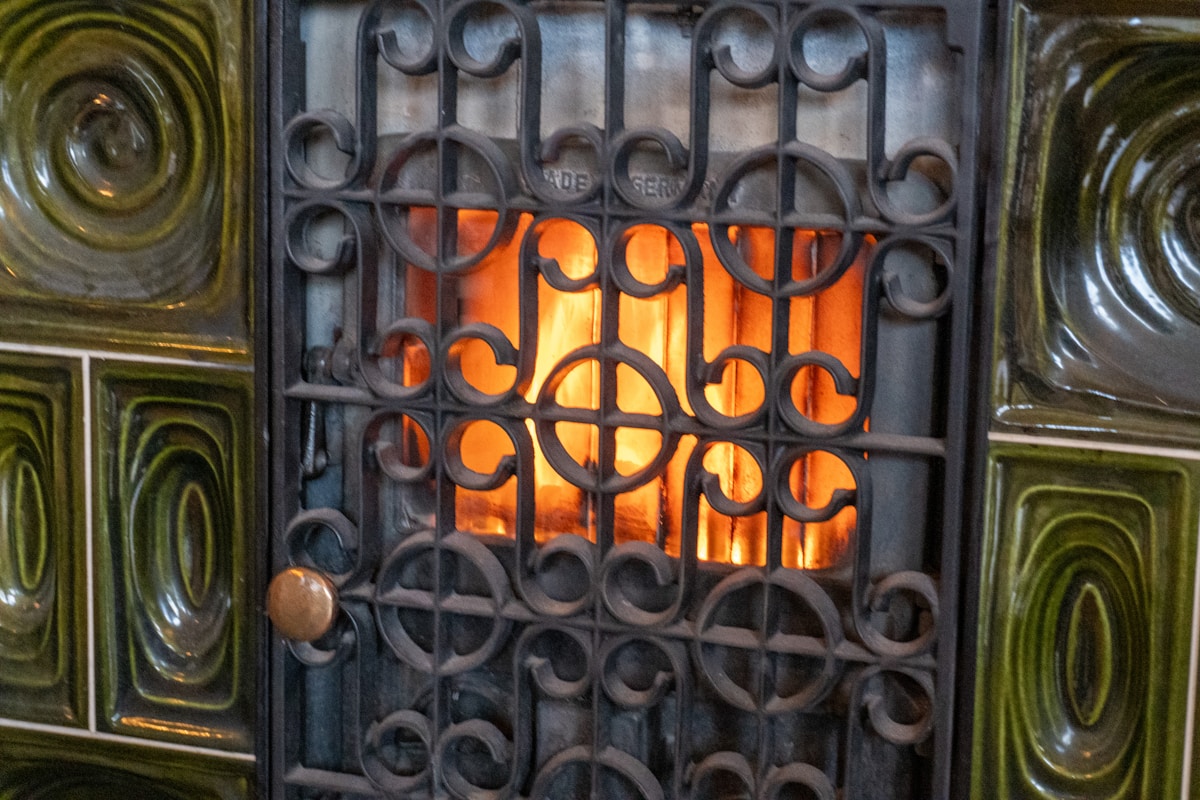
These aren’t just simple metal boxes. They often incorporate modern features like efficient wood-burning fireboxes, optional gas or electric cooktops alongside the classic hotplates, and glass doors to see what’s baking. But the core principle remains the same: thermal mass. A cast iron stove works by absorbing and storing a tremendous amount of heat, then radiating it out slowly and evenly. This is fundamentally different from the direct, on-demand heat of a gas flame or an electric coil. This radiant heat is the secret to its legendary cooking performance.
If you’re only looking at the cooking results, a cast iron stove is a dream for certain tasks. The benefits are real, tangible, and rooted in physics.
- Incredible Baking Stability: This is the number one reason serious bakers fall in love with these stoves. A standard oven’s heating element cycles on and off, creating temperature swings. A cast iron oven, once heated, is a fortress of thermal stability. Set it to 375°F (190°C), and it stays at 375°F. This gentle, radiant heat cooks food without drying it out, producing breads with phenomenal crusts, roasts that are impossibly juicy, and cakes that bake perfectly evenly. There are no hot spots.
- A Different Kind of Cooktop: The traditional cast iron cooktop isn’t about precise temperature dials. It’s a single, large hotplate with different heat zones. You get a screaming hot center for searing a steak and cooler edges for simmering a sauce. You move the pot to control the heat. It takes getting used to, but it’s an intuitive and powerful way to cook. Plus, you can have a dozen pans on it at once during a big family dinner. (Some modern versions do include induction burners for the best of both worlds.)
- Heirloom Durability: Let’s be honest. Your smart oven with its delicate motherboard will be in a landfill in 8-12 years. A well-maintained cast iron stove is a multi-generational purchase. It’s made of iron and steel. There are no complex electronics to fry. It’s an appliance built with the philosophy of permanence, which is a rare thing these days. You’re not just buying a stove; you’re buying the last stove you’ll likely ever need.
- Off-Grid Powerhouse: For anyone living rurally or pursuing a self-sufficient lifestyle, a wood-fired cast iron stove is the ultimate tool. It heats your kitchen (and often your water), cooks your food, and operates with zero reliance on the electrical grid. It’s a survival tool wrapped in a beautiful package.
The Hard Truths and Hidden Costs
This is where my practical side kicks in. The romance of a cast iron stove can quickly fade when you face the logistical and financial realities. This is not a casual purchase.
- The Sticker Shock is Real: A new, high-quality cast iron range from a reputable brand starts around $5,000 and can easily climb to $15,000 or more. That’s before you even think about shipping. These things weigh between 500 to 1,000 pounds (225 to 450 kg). Shipping one from New Zealand or the UK to the United States can add thousands to the final price. (Yes, the freight can cost as much as a standard stove.)
- Installation is a Major Project: You can’t just slide this into a 30-inch gap in your cabinetry. Your floor likely needs to be reinforced to support the immense weight. If it’s a wood-burning model, you need a proper, professionally installed chimney and hearth that meets all local fire codes. This is a structural renovation, not an appliance delivery.
- Maintenance is a Lifestyle: Forget the “self-clean” button. The cooktop surface needs to be seasoned and cared for like a giant cast iron skillet to prevent rust. You’ll be cleaning out ash from the firebox. Gaskets on the doors will need periodic replacement. It requires a level of hands-on commitment that many modern homeowners simply aren’t used to.
- The Learning Curve: Cooking on a cast iron stove is a skill. It doesn’t offer the instant gratification and push-button precision of an induction range. It takes time to learn the heat zones on the cooktop and understand how the oven’s radiant heat works. It’s more art than science, which can be frustrating if you just want to get dinner on the table quickly.
My Verdict So Who Is This Stove Really For?
After weighing the incredible performance against the significant drawbacks, it’s clear that a cast iron stove isn’t for everyone. In fact, it’s probably not for most people. A high-quality induction range is more energy-efficient, faster, safer, and infinitely more convenient for the average family.
However, if you fall into one of these categories, it might be the best investment you ever make for your kitchen:
- The Passionate Artisan Baker: If your life revolves around sourdough starters and perfect croissants, the thermal stability of a cast iron oven is your holy grail. The performance benefits for baking are undeniable.
- The ‘Forever Home’ Builder: If you are building or renovating a home you plan to live in for decades and you value durability and permanence over fleeting tech trends, this stove aligns perfectly with that ethos.
- The Off-Grid Homesteader: For you, this isn’t a luxury item; it’s the functional core of your home, providing heat, hot water, and cooking capabilities from a renewable fuel source.
- The Design-Driven Enthusiast: If you’re designing a kitchen with a specific rustic, ‘cottagecore,’ or industrial aesthetic and you fully understand and embrace the costs and maintenance commitment, then the stove becomes the functional heart and soul of your design.
For the vast majority of home cooks, a cast iron stove is a beautiful but impractical choice. But for that small, dedicated group, it’s not just an appliance. It’s a commitment to a different way of cooking and living—one that’s slower, more deliberate, and built to last. It’s a purchase made with the heart, but one that your head needs to be fully on board with before you sign the check.

 Beatrice

