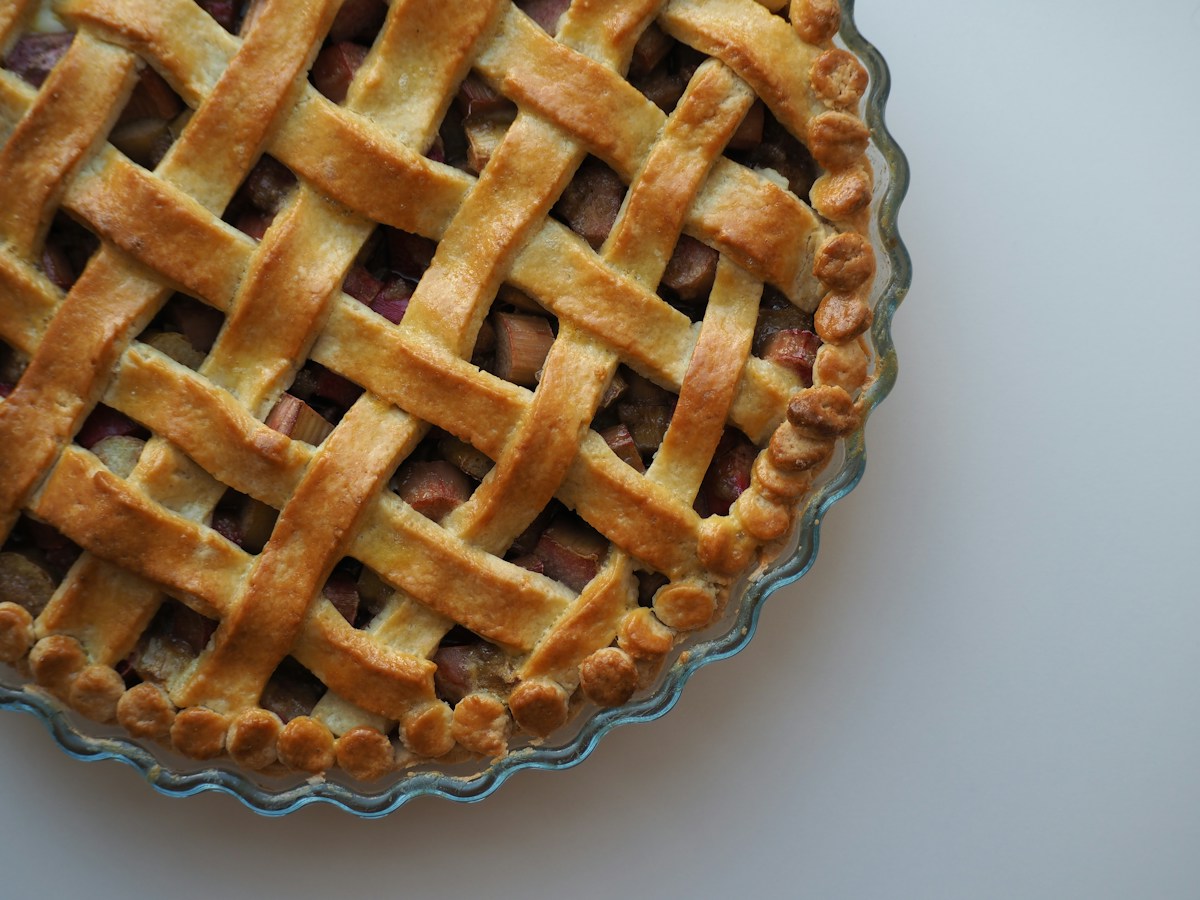
A beautiful pie plate is sitting on the counter, and suddenly an empty dish feels like an unfinished gift. If you want to fill it without tackling a pastry crust, you have plenty of options. The best 9-inch pie plate uses include fruit crisps, brownies, snack cakes, baked French toast, crustless quiche, tortilla pie, and carefully scaled baked pasta.
The right choice depends on the occasion, how much preparation you want to do, and whether the finished dish needs to travel. Some ideas can be assembled almost directly in the plate, while others need a mixing bowl, skillet, or brief pre-cooking.
Key Takeaways
- Fruit crisps, cobblers, brownies, and snack cakes are among the easiest giftable options.
- Baked French toast, quiche, tortilla pie, and shallow baked pasta also work when the recipe suits the plate’s capacity.
- A 9-inch diameter does not guarantee a standard depth or volume, so check the dish and leave room for bubbling or rising.
- Cool the food as directed before covering, and use extra care with dishes containing eggs, dairy, meat, or cooked pasta.
- Match the bake to the recipient: choose portable sweets for easy sharing and savory dishes for a practical meal gift.
Start with the Easiest 9-Inch Pie Plate Uses
These are excellent choices when you want the filled dish to look generous without creating a complicated project. Use a recipe specifically written for a 9-inch pie plate when possible, and do not fill the dish to the rim.
Fruit crisp
A fruit crisp is one of the most forgiving pie plate recipes besides pie. Add prepared fruit to the dish, then cover it with a mixture of oats, flour, sugar, butter, and warm spices. Depending on the recipe, you may mix the topping in a separate bowl or prepare it while the fruit rests in the plate.
Effort: Low. Best for: A casual dessert, housewarming, or thank-you gift. Serve: Warm or at room temperature, often with yogurt, whipped cream, or ice cream. Travel: Reasonably well once cooled, although a crisp topping can soften under a tight cover.
Leave room for fruit juices to bubble. A rimmed baking sheet underneath the pie plate can catch drips and make handling easier. If using frozen fruit, follow a recipe that accounts for its extra moisture rather than guessing at the liquid and baking time.
Fruit cobbler
Cobbler gives you the comfort of a fruit dessert without rolling or fitting dough. The topping might be spooned biscuit dough, a simple cake batter, or another soft mixture designed to bake over fruit.
Effort: Low to moderate. Best for: Family dessert or a warm seasonal gift. Serve: Usually warm, with a spoonable topping. Travel: Better for short trips than long journeys because the fruit filling remains soft.
Use a recipe matched to the depth of your plate. A thick layer of fruit or topping can change how quickly the center cooks, so check the recipe’s visual cues rather than relying on the original timing alone. Look for a set topping and bubbling fruit where the recipe indicates those signs are expected.
Brownies
Brownies are a practical answer to what to bake in a pie plate when you want something familiar and easy to package. Choose a brownie recipe tested for a 9-inch round pan or one that gives pan-size conversion guidance. A batter intended for a much larger rectangular pan may be too deep in a pie plate.
Effort: Low. Best for: Teenagers, coworkers, holiday treats, and thank-you gifts. Serve: Cool for neat wedges, or serve slightly warm for a softer dessert. Travel: Very good after the brownies are fully set.
Mixing usually happens in a bowl, especially when melting butter or chocolate. To make the gift look intentional, dust the cooled brownies with powdered sugar, add a simple paper label, or pack a sauce separately instead of adding a runny topping that may slide during transport.
One-layer snack cake
A simple snack cake can feel more special than its preparation suggests. Try a cinnamon streusel cake, lemon cake, apple cake, or chocolate cake written for a round pan close to 9 inches. Finish it with powdered sugar, a thin glaze, streusel, or a few sturdy fruit pieces.
Effort: Low to moderate. Best for: Housewarmings, brunch invitations, and neighbors. Serve: Cool or at room temperature. Travel: Good if the glaze has set and the topping is not fragile.
Most snack cakes need a bowl for creaming, whisking, or combining wet and dry ingredients. Before gifting, let the cake cool according to its recipe. Covering it while it is still warm can create condensation and soften the surface.
Sweet Dishes That Feel More Special Than Their Effort
If the gift is for a holiday breakfast, a brunch host, or someone who enjoys cozy baked dishes, consider one of these easy pie dish recipes.
Baked French toast
Baked French toast is a generous option for a morning gift. Layer cubes of bread in the pie plate, pour over a prepared egg-and-milk custard, and add a topping such as cinnamon sugar, chopped nuts, streusel, or fruit. Because the bread needs time to absorb the custard, this dish is usually assembled in advance or allowed to rest before baking.
Effort: Moderate. Best for: Holiday breakfast, brunch, or a family with children. Serve: Warm, with fruit, yogurt, or syrup packed separately. Travel: Suitable for a short trip when transported level and handled according to the recipe’s food-safety directions.
This is not usually a mix-directly-in-the-plate recipe. Whisk the custard in a separate bowl so the eggs and liquid combine evenly, and check that the bread is moistened without turning soupy. Do not add more custard simply to fill the dish; extra liquid can leave the center unset.
Cinnamon streusel cake or buckle
A buckle combines fruit with a soft cake and crumb topping. It has the welcoming look of a pie but does not require a crust. Apples, berries, or stone fruit can work when the recipe is designed for the amount and moisture of the fruit.
Effort: Moderate. Best for: A thoughtful seasonal gift or holiday table. Serve: Cool enough to cut, or warm with a spoon. Travel: Fairly good after cooling, though juicy fruit can make the cake more delicate.
A separate bowl is usually the safest choice for the cake batter and streusel. Keep the fruit layer moderate and leave expansion space around the top. A buckle is best when the recipient enjoys spoon desserts and does not need perfectly clean slices.
Bread pudding
Bread pudding is another forgiving dessert, especially when you have slightly stale bread to use. Combine bread cubes with a custard, then add dried fruit, spices, chocolate, or chopped apples if the recipe allows. The mixture is usually prepared in a bowl before being transferred to the pie plate.
Effort: Moderate. Best for: A cozy family dessert or a recipient who likes warm, comforting food. Serve: Warm or cool, with sauce packed separately. Travel: Less convenient than brownies or cake because it is soft and may need more careful storage.
Use a shallow recipe rather than transferring a very deep casserole to a pie plate. Check the center for the recipe’s recommended doneness, and remember that a custard-based dessert may continue to firm as it cools.
Savory Pie Plate Recipes Besides Pie
A filled pie plate does not have to be sweet. Savory dishes can make especially useful gifts for a new parent, a busy neighbor, or someone who would appreciate dinner more than dessert.
Crustless quiche
Crustless quiche is one of the simplest savory uses for a 9-inch pie plate. Whisk eggs with the recipe’s dairy and seasonings, then add cooked vegetables, cheese, and optional meat. Cooking watery vegetables and draining them first helps avoid a soggy or loose filling.
Effort: Moderate. Best for: Brunch, a thank-you meal, or a family breakfast. Serve: Warm or cooled according to the recipe. Travel: Manageable when fully set, level, and kept under appropriate temperature control.
The egg mixture should be prepared in a bowl, and some fillings need a skillet first. A crusted quiche requires more work and should come from a recipe written for the specific plate size. Do not assume that adding a crust to a crustless recipe will produce the right volume.
Tortilla pie or layered bean-and-cheese bake
Layer tortillas with beans, cheese, salsa, cooked vegetables, and other fillings for a simple tortilla pie. The ingredients are assembled in layers, so this can be easier than making a traditional casserole. Use a modest amount of sauce so the layers stay together without becoming watery.
Effort: Low to moderate. Best for: A meal-oriented recipient or casual dinner. Serve: Warm, with fresh toppings added after baking. Travel: Better than a runny casserole, but still requires careful handling because it contains moist fillings.
Some ingredients can be layered directly in the pie plate, but meat should be fully cooked before assembly. Pack delicate toppings such as avocado, herbs, or sour cream separately.
Shallow baked pasta
A compact baked pasta can work in a 9-inch pie plate when the recipe is intentionally shallow. Choose small pasta, a restrained amount of sauce, and fillings that are already cooked. A deep, very saucy pasta bake may heat unevenly or bubble over in a pie plate.
Effort: Moderate. Best for: A dinner gift or family meal. Serve: Warm. Travel: Less convenient than brownies or cake; use a level carrier and follow appropriate storage and reheating guidance.
This option normally needs a pot for cooking the pasta and possibly a skillet for the sauce or vegetables. Stop cooking the pasta at the recipe’s recommended stage so it does not become overly soft during baking. Place the pie plate on a baking sheet if the sauce may bubble.
How to Tell Whether a Recipe Fits a 9-Inch Pie Plate
A 9-inch measurement tells you the diameter, not necessarily the usable capacity. Pie plates vary in depth, shape, slope, and material, so two dishes with the same stated diameter may hold different amounts. Check the manufacturer’s specifications when available, particularly for a decorative, unusually shallow, deep, glass, ceramic, metal, or disposable plate.
The safest starting point is a recipe written for a 9-inch pie plate or a similar-volume round baking dish. Be cautious with recipes written for a deep-dish plate, 9-by-13-inch pan, loaf pan, springform pan, or large skillet. The dimensions may look comparable, but the volume and filling depth can be very different.
Before baking, look for visible space between the mixture and the rim. Fruit can release juice, batter can rise, custard can swell, and cheese can bubble. If the dish looks nearly full before it goes into the oven, divide the mixture into a small additional baking dish instead of hoping it will behave.
Changing the pan can change the baking time. A wider, shallower layer may cook sooner than a deeper one, while a cool ceramic dish may behave differently from a metal pan. Begin checking at the recipe’s suggested point and use its cues: a set center, browned topping, clean tester where appropriate, or another instruction specific to that dish.
Cooling, Covering, and Gifting the Finished Dish
Let the food cool as directed before covering it. Covering a hot crisp, cake, or brownie can trap steam and soften the topping; covering a soft custard dessert may also create condensation. Cooling does not mean leaving every food out indefinitely, so use the recipe’s storage instructions and trusted food-safety guidance for dishes containing eggs, dairy, meat, or cooked pasta.
For dry baked goods such as brownies or snack cake, choose a cover that will not press against the surface. A rigid pie-plate carrier, tall reusable cover, or level box is more reliable than loose plastic wrap. For saucy or delicate foods, a secure lid and a lined, flat-bottomed carrier can help prevent spills. Transport the dish only when it is stable and can be kept under the storage conditions the recipe recommends.
Add a small handwritten note with the dish name, serving suggestions, and any storage or reheating information the recipe provides. A clean towel beneath the plate can make the presentation feel warm and intentional, while a topping or sauce packed separately protects the finished surface.
For a casual dessert gift, choose a fruit crisp or cobbler. Brownies and snack cake are usually the easiest to carry and share. Baked French toast suits breakfast lovers, while quiche, tortilla pie, and shallow baked pasta are better for someone who would appreciate a meal.
Giving a filled baking dish can be a meaningful family tradition, but it does not have to be a rule for everyone. Whether the recipient expects a homemade offering or simply enjoys practical gifts, filling the plate with an easy, well-chosen bake turns a useful object into a ready-to-share gesture.
FAQ
What can I bake in a 9-inch pie plate if I do not want to make pie?
Try fruit crisp, cobbler, brownies, a one-layer snack cake, baked French toast, crustless quiche, tortilla pie, or shallow baked pasta. Choose a recipe written for a 9-inch round dish whenever possible.
Can I use a cake, brownie, or casserole recipe in a 9-inch pie dish?
Sometimes, but not automatically. Compare the recipe’s original pan size, filling depth, and volume with your pie plate. Leave expansion room and follow the recipe’s doneness cues rather than assuming the original baking time will remain correct.
How should I cover, store, and transport a baked dish in the pie plate?
Cool it according to the recipe before covering. Use a rigid or tall cover that does not touch soft toppings, keep perishable savory dishes under appropriate food-safety conditions, and transport the plate level in a secure carrier. Pack sauces and fragile toppings separately when practical.